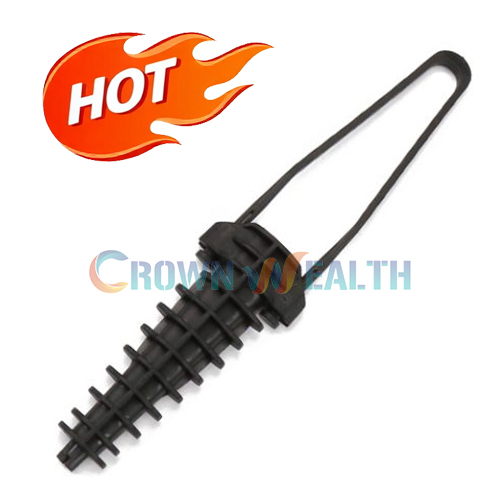
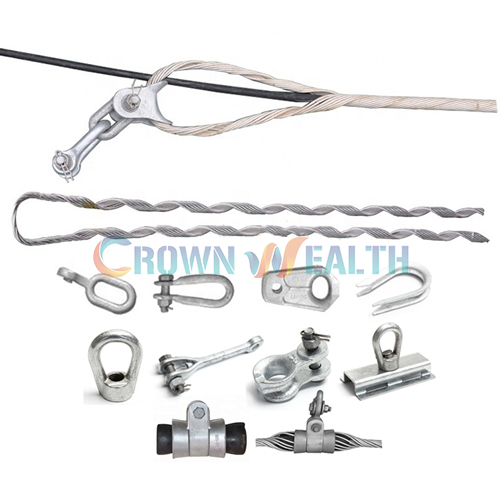
When it comes to using Helical Guy Grips, safety should always be our top priority. As a supplier of Helical Guy Grips, I've seen firsthand how important it is to take the right safety precautions. In this blog, I'll share some key safety tips that you should keep in mind when using these products.
1. Pre - installation Checks
Before you even start installing the Helical Guy Grips, there are a few crucial checks you need to do. First of all, inspect the grips themselves. Look for any signs of damage, like cracks, dents, or rust. A damaged grip can compromise its strength and stability, putting the entire structure at risk. If you find any issues, don't use the grip; instead, contact your supplier (like me!) to get a replacement.
Next, check the guy wire. The wire should be in good condition, without any fraying, kinking, or corrosion. Frayed or corroded wires can break under stress, which is extremely dangerous. Make sure the wire diameter is compatible with the Helical Guy Grip you're using. Using an incompatible wire can lead to improper installation and reduced performance.
Also, assess the installation site. The ground where the anchor for the guy wire will be placed should be stable and firm. Avoid areas with soft soil, loose rocks, or areas prone to erosion. If the ground isn't stable, the anchor may shift or pull out, causing the guy system to fail.
2. Personal Protective Equipment (PPE)
Wearing the right PPE is non - negotiable when working with Helical Guy Grips. Safety glasses are a must. They protect your eyes from flying debris, like small metal shavings that might come off the grip or the wire during installation. Gloves are also essential. They not only protect your hands from cuts and abrasions but also give you a better grip on the tools and the grips themselves.
A hard hat is another important piece of PPE. It can protect your head from falling objects, which could be a real risk if you're working on a tall structure. If you're working at heights, a safety harness should be worn and properly attached to a secure anchor point. This can prevent serious injuries in case of a fall.
3. Installation Procedures
During the installation process, following the correct procedures is vital. First, make sure you have the right tools for the job. Using the wrong tools can not only make the installation more difficult but also increase the risk of damage to the grip and the wire. For example, using a wrench that's too big or too small can strip the nuts or bolts on the grip.
When installing the Helical Guy Grip on the guy wire, follow the manufacturer's instructions carefully. The grip should be wound around the wire in the correct direction and with the right amount of tension. If the grip is wound too loosely, it may not hold the wire securely, and if it's wound too tightly, it could damage the wire.


When attaching the guy wire to the anchor, ensure that the connection is strong and secure. Use the appropriate hardware, like nuts, bolts, and washers, and make sure they are tightened properly. Loose connections can cause the wire to come loose over time, leading to a potential failure of the guy system.
4. Maintenance and Inspection
Once the Helical Guy Grips are installed, regular maintenance and inspection are necessary. Periodically check the grips and the guy wires for any signs of wear and tear. Look for things like corrosion, deformation, or signs of stress on the grips. If you notice any issues, take action immediately.
Inspect the connections between the grip, the wire, and the anchor. Make sure all the nuts and bolts are still tight. Over time, vibrations and environmental factors can cause these connections to loosen. If you find a loose connection, tighten it up as soon as possible.
It's also a good idea to check the tension of the guy wire. The wire should be under the right amount of tension to ensure the stability of the structure. If the tension is too low, the structure may not be properly supported, and if it's too high, it could put excessive stress on the grips and the wire.
5. Awareness of Related Products
As a supplier of Helical Guy Grips, I also want to mention some related products that can enhance safety and performance. For example, Preformed Armor Rods can be used to protect the guy wire from abrasion and damage. They are easy to install and can significantly extend the lifespan of the wire.
Dead End Guy Grips are another important product. They are used to terminate the guy wire at the anchor point. Using high - quality dead end guy grips can ensure a secure and reliable connection.
Helical Spiral Vibration Damper can be installed on the guy wire to reduce vibrations caused by wind or other external forces. Excessive vibrations can lead to fatigue and damage to the wire and the grips over time.
6. Training and Education
Proper training and education are key to ensuring safety when using Helical Guy Grips. Make sure that anyone involved in the installation, maintenance, or inspection of these grips is properly trained. They should know how to use the tools correctly, follow the installation procedures, and identify potential safety hazards.
Training programs can cover topics like the proper use of PPE, the correct installation techniques, and the importance of regular maintenance. By investing in training, you can reduce the risk of accidents and ensure that your Helical Guy Grip systems are installed and maintained safely.
Contact for Purchase and Consultation
If you're in the market for high - quality Helical Guy Grips or have any questions about safety precautions, feel free to reach out. I'm here to provide you with the best products and advice to ensure your projects are safe and successful. Whether you're a small - scale contractor or a large - scale construction company, I can offer the right solutions for your needs.
References
- Electrical Transmission Line Design Manual, [Publisher Name], [Year]
- Safety Standards for Structural Support Systems, [Organization Name], [Year]