Hey there! As a vibration damper supplier, I often get asked this question: "Can a vibration damper be repaired if it is damaged?" Well, let's dive right into it and explore this topic in detail.


First off, let's understand what a vibration damper is and what it does. Vibration dampers are crucial components in many industries, especially in power transmission and telecommunications. They're designed to reduce the vibrations in cables and conductors caused by wind or other external forces. This helps to prevent fatigue and damage to the cables, which can lead to costly repairs or even system failures.
Now, back to the main question. Can a damaged vibration damper be repaired? The answer is: it depends. There are a few factors that come into play when determining whether a vibration damper can be fixed or not.
1. Type of Damage
The extent and type of damage are the most important factors. Minor damages, such as small dents or scratches, can usually be repaired. For example, if the outer casing of the damper has a small scratch, it can often be smoothed out and repainted. This won't affect the damper's performance significantly.
However, if the damage is more severe, like a broken or bent arm on a Tuning Fork Vibration Damper, the situation gets a bit more complicated. In some cases, the damaged part can be replaced. But if the internal components are damaged, it might be more difficult to repair. For instance, if the damping material inside the damper has been compromised, it could affect the damper's ability to absorb vibrations effectively.
2. Age and Condition of the Damper
The age of the vibration damper also matters. An older damper might already be showing signs of wear and tear, even before the damage occurred. In such cases, repairing it might not be the best option. It could be more cost - effective to replace the entire damper.
If the damper has been in service for a long time, the materials might have degraded over time. This can make the repair less reliable, as the repaired part might fail again soon. On the other hand, a relatively new damper with minor damage is more likely to be successfully repaired.
3. Cost - Benefit Analysis
When considering whether to repair a damaged vibration damper, a cost - benefit analysis is essential. The cost of repair includes the cost of parts, labor, and any testing that needs to be done after the repair. If the cost of repair is close to or more than the cost of a new damper, it might not make sense to repair it.
For example, if a simple repair requires a lot of labor because the damper is difficult to access or disassemble, the overall cost can quickly add up. In such cases, it might be better to invest in a new damper.
Repair Methods
If a vibration damper is deemed repairable, there are several repair methods that can be used.
- Welding and Brazing: For metal components of the damper, welding or brazing can be used to fix cracks or broken parts. This method is effective for restoring the structural integrity of the damper. However, it requires skilled technicians to ensure that the welds are strong and do not affect the damper's performance.
- Replacement of Parts: As mentioned earlier, if a specific part of the damper is damaged, it can be replaced. For example, if the weights on a damper are damaged, they can be replaced with new ones. This is a relatively straightforward repair method, but it requires having the right replacement parts on hand.
- Resurfacing and Coating: For the outer surface of the damper, resurfacing and coating can be done to repair scratches and prevent corrosion. This not only improves the appearance of the damper but also helps to protect it from further damage.
Importance of Professional Repair
It's important to note that repairing a vibration damper should be done by professionals. Vibration dampers are precision components, and improper repair can lead to reduced performance or even complete failure. A professional repair service will have the necessary tools, skills, and knowledge to ensure that the repair is done correctly.
They can also perform tests after the repair to make sure that the damper is functioning properly. This includes vibration testing to verify that the damper is effectively reducing vibrations.
Our Role as a Supplier
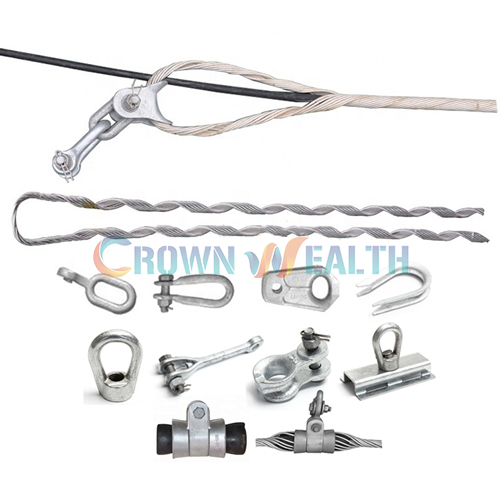
As a vibration damper supplier, we understand the importance of providing support for our customers when it comes to damaged dampers. We can offer advice on whether a damper can be repaired or needs to be replaced. We also have a range of replacement parts available, such as Armor Rods and Preformed Armor Rods for Conductor Repair, which can be used in the repair process.
In addition, we can recommend professional repair services in case our customers need them. Our goal is to help our customers get the most out of their vibration dampers and minimize downtime due to damage.
Conclusion
So, to sum it up, a damaged vibration damper can sometimes be repaired, but it depends on the type and extent of the damage, the age of the damper, and the cost - benefit analysis. Professional repair is crucial to ensure the damper's proper functioning.
If you're facing a damaged vibration damper or have any questions about vibration dampers in general, don't hesitate to reach out. We're here to help you make the best decision for your needs. Whether it's repair or replacement, we can provide the support and products you need. Contact us for more information and let's start a conversation about your vibration damper requirements.
References
- Industry standards for vibration dampers
- Technical manuals of vibration damper manufacturers
- Case studies on vibration damper repairs and replacements