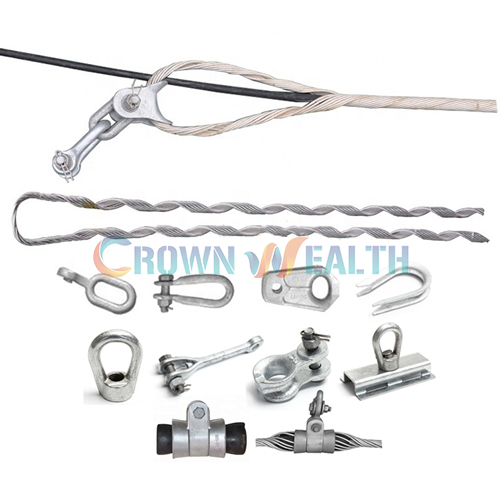
In the modern industrial landscape, protective fittings play a crucial role in ensuring the safety, efficiency, and longevity of various equipment and structures. As a reputable protective fitting supplier, I have witnessed firsthand the diverse applications of these essential components across multiple industries. In this blog post, I will explore the industries that commonly use protective fittings and highlight some of our key products.
Power Transmission and Distribution Industry
The power transmission and distribution industry is one of the largest consumers of protective fittings. These fittings are used to safeguard power lines, transformers, and other electrical equipment from various environmental and operational hazards.
One of the most critical protective fittings in this industry is the Helical Spiral Vibration Damper. Power lines are constantly exposed to wind-induced vibrations, which can cause fatigue and damage to the conductors over time. Helical spiral vibration dampers are designed to absorb and dissipate these vibrations, reducing the stress on the conductors and extending their service life.
Another important fitting is the Square Spacer Damper. In multi-conductor power lines, spacers are used to maintain the proper spacing between the conductors, preventing them from coming into contact with each other and causing short circuits. Square spacer dampers not only provide the necessary spacing but also dampen vibrations, enhancing the overall stability of the power line.
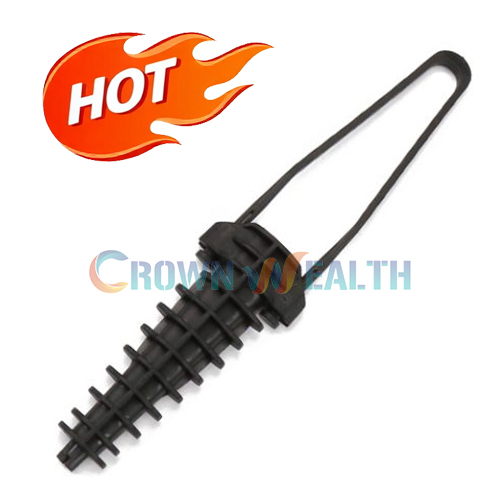
Preformed dead end guy grips, such as our Preformed Dead End Guy Grips, are also widely used in the power industry. These grips are used to anchor guy wires, which provide additional support to power poles and towers, ensuring their stability in high winds and other adverse conditions.
Telecommunications Industry
The telecommunications industry relies heavily on protective fittings to ensure the reliable operation of its networks. From cell towers to underground cables, protective fittings are used to protect the infrastructure from physical damage, environmental factors, and electrical interference.
In cell tower installations, protective fittings are used to secure antennas, cables, and other equipment. These fittings must be able to withstand harsh weather conditions, including high winds, heavy rain, and extreme temperatures. Our range of protective fittings includes corrosion-resistant materials and robust designs to ensure the long-term performance of telecommunications infrastructure.


Underground telecommunications cables are also vulnerable to damage from digging, rodents, and other external factors. Protective sleeves and conduits are used to shield the cables from these hazards, preventing costly repairs and service disruptions.
Construction Industry
In the construction industry, protective fittings are used to enhance the safety and durability of buildings and structures. From scaffolding to structural steel, these fittings play a vital role in ensuring the integrity of the construction project.
Scaffolding systems require a variety of protective fittings, such as couplers, clamps, and base plates, to secure the components together and prevent accidents. These fittings must meet strict safety standards to ensure the stability of the scaffolding and the safety of the workers.
Structural steel connections also rely on protective fittings to ensure the strength and stability of the building. Bolts, nuts, and washers are used to join the steel members together, and corrosion-resistant coatings are applied to protect the fittings from rust and other forms of degradation.
Automotive Industry
The automotive industry uses protective fittings in various applications, from engine components to exterior body parts. These fittings are designed to protect the vehicle from wear and tear, reduce noise and vibration, and enhance the overall performance and safety of the vehicle.
In the engine compartment, protective fittings are used to secure hoses, cables, and other components, preventing them from coming loose and causing damage. Heat shields are also used to protect sensitive components from the high temperatures generated by the engine.
Exterior body parts, such as bumpers and fenders, are often equipped with protective fittings to absorb impact energy and reduce the damage in the event of a collision. These fittings can also enhance the aesthetic appeal of the vehicle.
Marine Industry
The marine industry faces unique challenges due to the harsh marine environment, including saltwater corrosion, high winds, and rough seas. Protective fittings are essential for ensuring the safety and reliability of ships, boats, and offshore structures.
On ships and boats, protective fittings are used to secure rigging, mooring lines, and other equipment. These fittings must be able to withstand the constant movement and stress of the vessel, as well as the corrosive effects of saltwater.
Offshore structures, such as oil rigs and wind turbines, also require a wide range of protective fittings. These fittings are used to secure the structure to the seabed, protect the equipment from wave and wind forces, and prevent corrosion.
Conclusion
As we have seen, protective fittings are used in a wide range of industries to ensure the safety, efficiency, and longevity of equipment and structures. At our company, we are committed to providing high-quality protective fittings that meet the diverse needs of our customers.
Whether you are in the power transmission, telecommunications, construction, automotive, or marine industry, we have the expertise and products to help you protect your assets. Our team of experienced engineers and technicians can work with you to select the right protective fittings for your specific application and provide you with the support and service you need.
If you are interested in learning more about our protective fittings or would like to discuss your specific requirements, please do not hesitate to contact us. We look forward to the opportunity to work with you and help you find the best solutions for your business.
References
- "Power System Protection and Switchgear" by John J. Grainger and William D. Stevenson Jr.
- "Telecommunications Engineering Handbook" by Richard C. Dorf
- "Construction Materials: Types, Properties, and Selection" by David M. Kennedy
- "Automotive Engineering Fundamentals" by David Crolla
- "Marine Engineering: Principles and Practice" by John Carlton