Hey there! As a supplier of protective fittings, I often get asked a pretty common question: "Can I use multiple protective fittings on one item?" Well, let's dive right into this topic and break it down.


First off, let's understand what protective fittings are. They're essentially devices designed to safeguard different items from various forms of damage. Whether it's protecting a piece of machinery from vibrations, or ensuring a cable stays in place and isn't damaged by external forces, protective fittings play a crucial role.
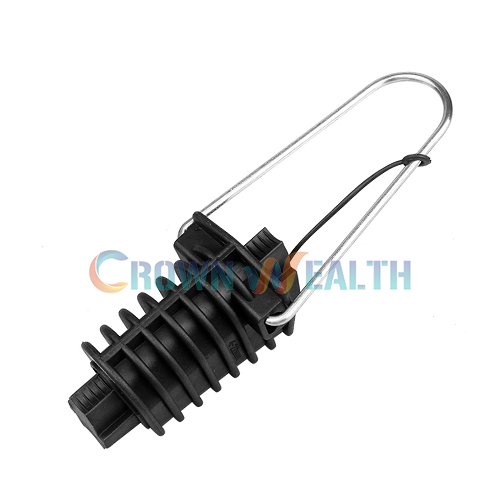
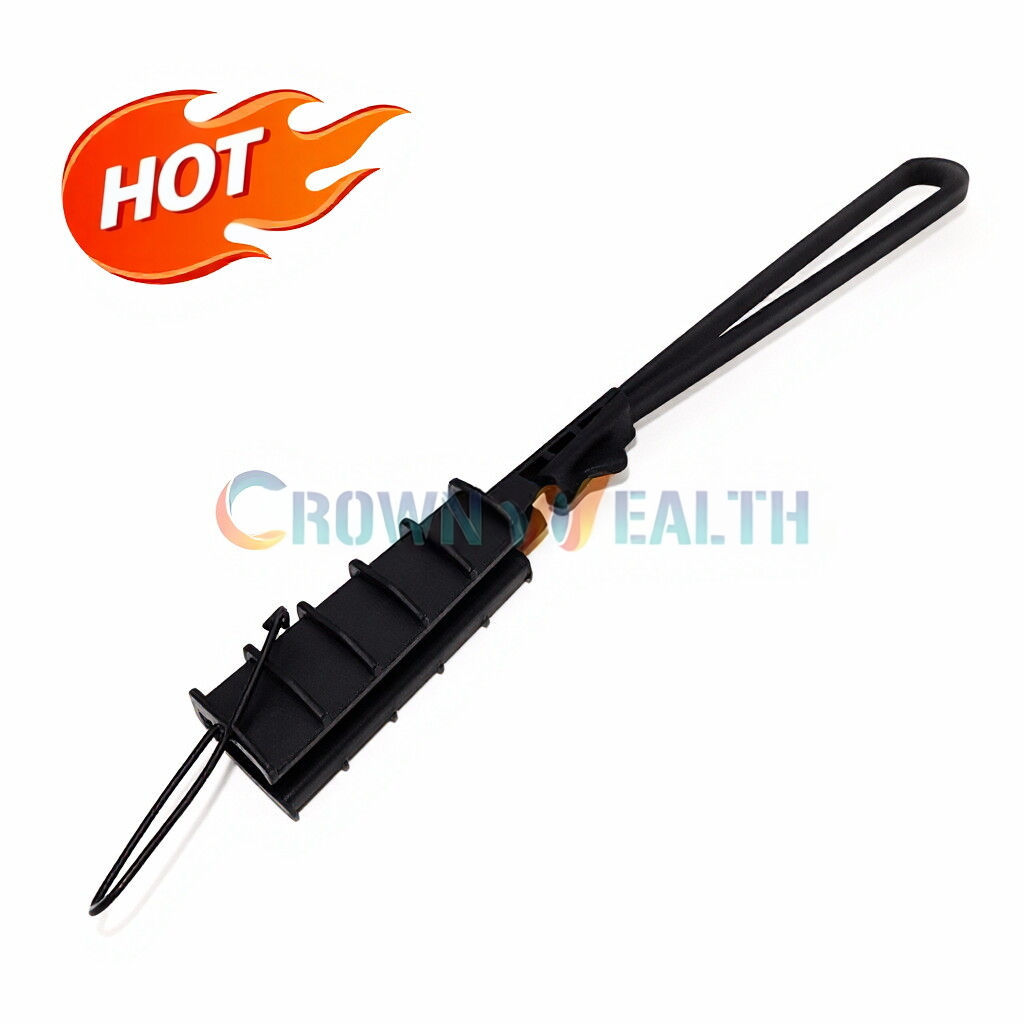
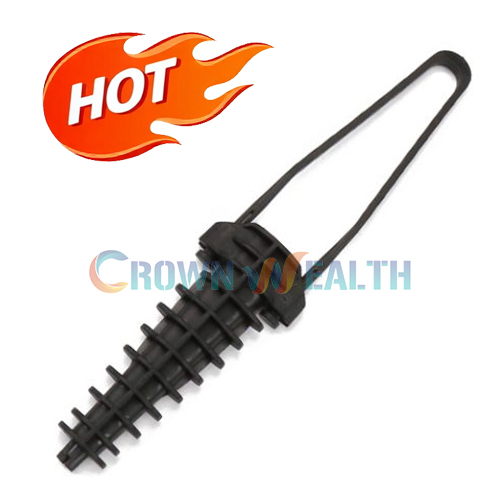
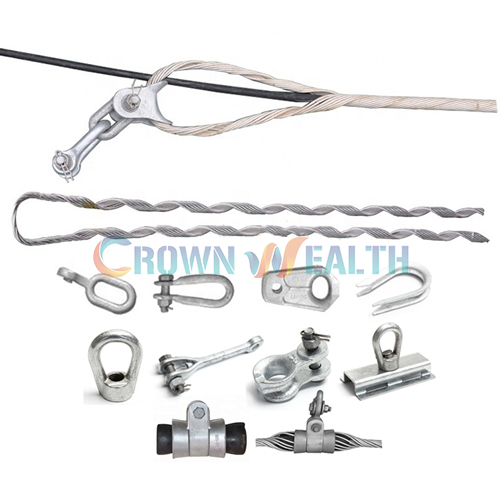
There are a bunch of different types of protective fittings out there. For example, the Square Spacer Damper is great for maintaining the spacing between conductors in power lines and reducing the impact of vibrations. Then we have the Vibration Damper, which, as the name suggests, is used to dampen vibrations in structures and equipment. And the Preformed End Guy Grips are used to secure cables and wires, providing a strong and reliable connection.
Now, back to the question at hand - can you use multiple protective fittings on one item? The short answer is, it depends. In many cases, using multiple protective fittings can actually be a good idea. Let's say you have a power line. You might want to use a Square Spacer Damper to keep the conductors at the right distance from each other. But at the same time, you could also add a Vibration Damper to reduce the vibrations caused by wind or other external factors. This combination can provide better overall protection for the power line.
One of the main reasons you might want to use multiple protective fittings is to address different types of threats. For instance, a single fitting might be great at protecting against one type of damage, like abrasion. But it might not do much to prevent vibrations. By using a combination of fittings, you can cover all your bases and ensure that your item is protected from a wider range of potential problems.
Another factor to consider is the environment in which the item is located. If it's in an area with high winds, you might need both a Vibration Damper to handle the wind-induced vibrations and a Preformed End Guy Grip to keep the cables secure. On the other hand, if the item is in a corrosive environment, you might need additional protective coatings or specialized fittings to prevent rust and other forms of corrosion.
However, there are also some situations where using multiple protective fittings might not be the best idea. For one thing, it can add to the cost. Each fitting has its own price, and if you start piling on too many, the overall cost can quickly get out of hand. Additionally, using too many fittings can sometimes create new problems. For example, if the fittings are not compatible with each other, they might interfere with each other's functionality. This could lead to reduced protection or even damage to the item itself.
So, how do you decide whether to use multiple protective fittings? Well, the first step is to assess the specific needs of the item. What kind of threats is it likely to face? What are the environmental conditions? Once you have a clear understanding of these factors, you can start looking at the different types of protective fittings available and see which ones would be the most appropriate.
It's also a good idea to consult with an expert. As a protective fitting supplier, I've seen a lot of different situations, and I can offer valuable advice on which fittings would work best for your particular needs. I can help you determine whether using multiple fittings is necessary and, if so, which ones would be the most effective combination.
In conclusion, using multiple protective fittings on one item can be a great way to provide enhanced protection, but it's not always the right choice. It's important to carefully consider the specific needs of the item, the potential threats it faces, and the compatibility of the fittings. If you're unsure, don't hesitate to reach out for advice. We're here to help you make the best decision for your protective fitting needs.
If you're interested in learning more about our protective fittings or discussing your specific requirements, feel free to get in touch. We'd love to have a chat and see how we can help you keep your items safe and secure.
References
- General knowledge of protective fitting applications and industries.
- Experience as a protective fitting supplier.