Hey there! As a supplier of OPGW fittings, I often get asked about how to test the insulation performance of these fittings. Well, today I'm gonna share some insights on this topic with you.
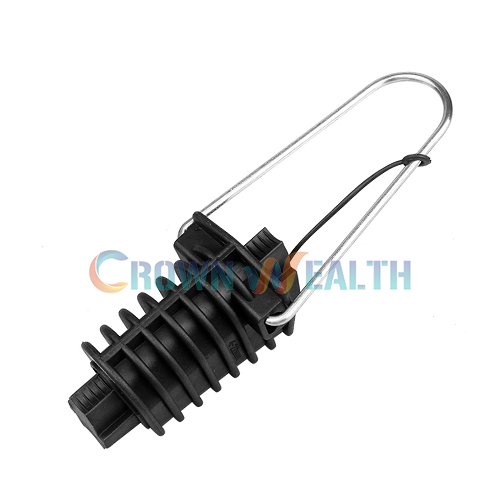
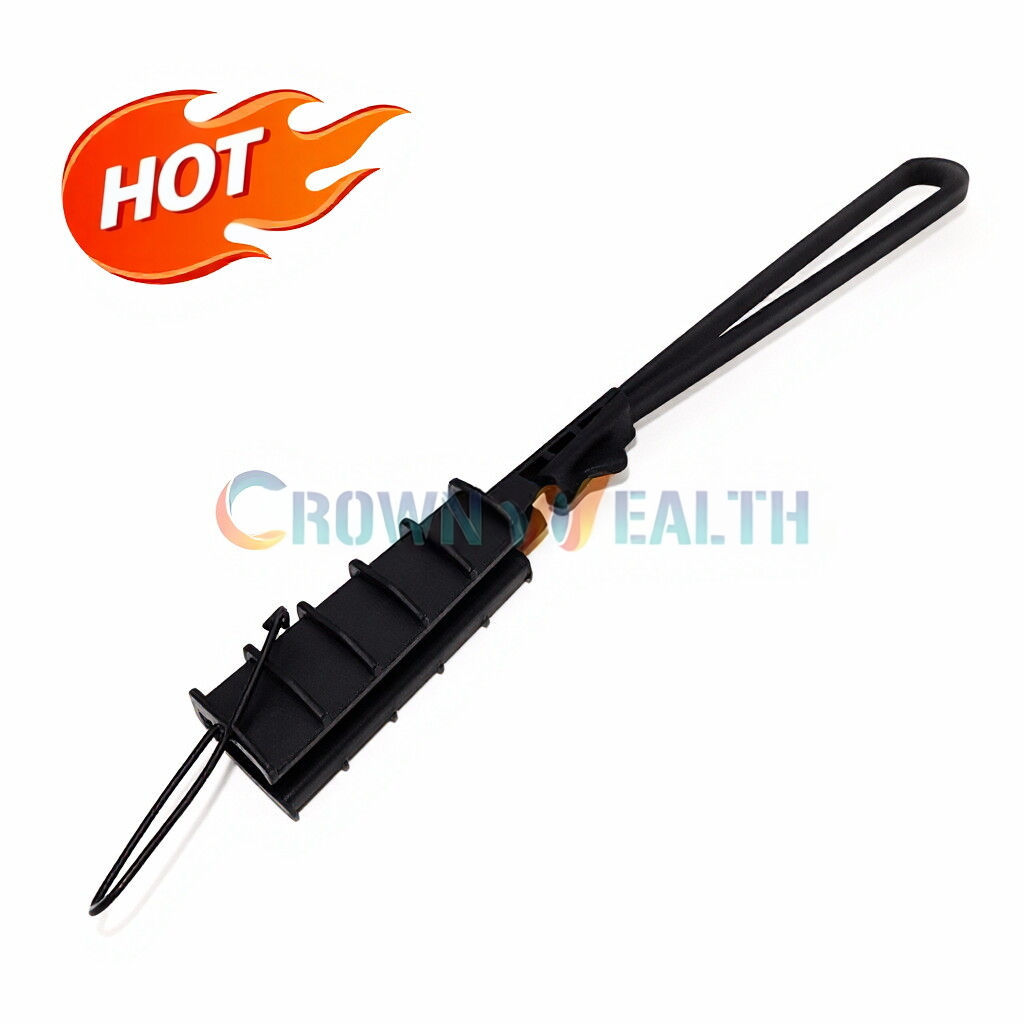
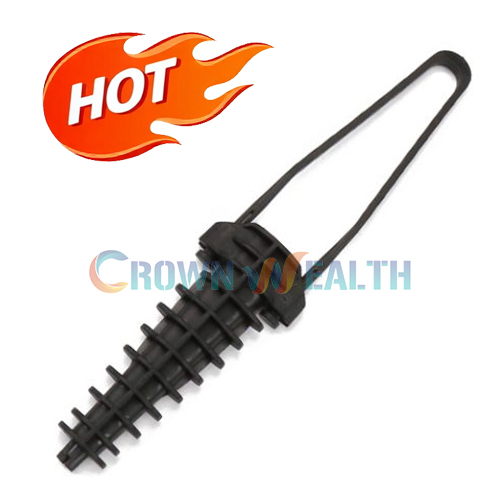
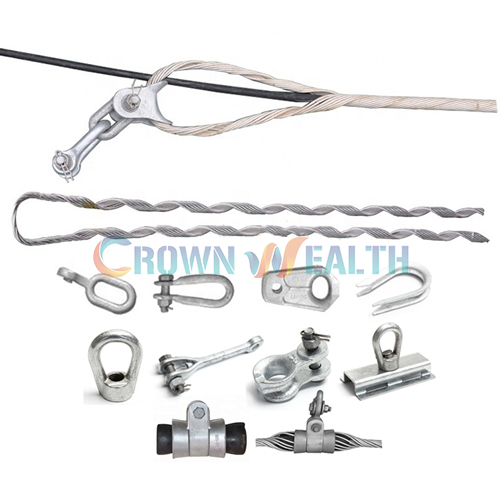
First off, let's understand why testing the insulation performance of OPGW fittings is so important. OPGW, or Optical Power Ground Wire, is a crucial component in power transmission and communication systems. The fittings used with OPGW, like Tension Clamp for Overhead Line, Aluminum Joint Box, and OPGW Performed Helical Suspension Clamp, need to have good insulation performance. Poor insulation can lead to power leakage, which not only wastes energy but also poses a serious safety risk. It can cause short - circuits, electrical fires, and damage to the entire power and communication infrastructure.
Now, let's dive into the methods of testing the insulation performance of OPGW fittings.
Visual Inspection
The first step in testing is a simple visual inspection. Before conducting any electrical tests, take a good look at the fitting. Check for any visible signs of damage, such as cracks, scratches, or deformities. These physical damages can compromise the insulation integrity. For example, a crack in an aluminum joint box might allow moisture to seep in, which can then reduce the insulation resistance. If you find any obvious damage during the visual inspection, the fitting should be replaced immediately, as it's likely to have poor insulation performance.
Insulation Resistance Testing
One of the most common methods to test the insulation performance is insulation resistance testing. This test measures the resistance between different conductive parts of the fitting separated by the insulating material. To perform this test, you'll need an insulation resistance tester, also known as a megger.
Here's how you do it:


- Prepare the Fitting: Make sure the fitting is clean and dry. Any dirt, dust, or moisture on the surface can affect the test results. Disconnect the fitting from the power source and ensure that it's in a safe, de - energized state.
- Connect the Megger: Connect the test leads of the megger to the appropriate conductive parts of the fitting. For example, if you're testing a tension clamp, connect one lead to the metal part that comes in contact with the OPGW and the other lead to a grounded part of the clamp.
- Take the Reading: Set the megger to the appropriate test voltage (usually 500V or 1000V for low - voltage OPGW fittings). Press the test button on the megger and hold it for a specific period, usually around 60 seconds. The megger will display the insulation resistance value.
A high insulation resistance value indicates good insulation performance. Generally, for OPGW fittings, the insulation resistance should be in the order of several megohms. If the reading is significantly lower than the expected value, it means there might be an insulation problem, such as a short - circuit or a breakdown in the insulating material.
Dielectric Strength Testing
Dielectric strength testing is another important method. This test checks the ability of the insulating material in the fitting to withstand high voltages without breaking down.
The process is as follows:
- Set Up the Test Equipment: You'll need a high - voltage test set for this test. Place the fitting in a test chamber or on a test bench in a well - ventilated and safe area.
- Apply the Voltage: Gradually increase the voltage applied to the fitting at a specified rate (usually a few hundred volts per second). Keep increasing the voltage until it reaches the specified test voltage, which is determined by the design and application requirements of the fitting.
- Monitor for Breakdown: During the test, closely monitor the fitting for any signs of electrical breakdown, such as arcing, sparking, or a sudden drop in the applied voltage. If breakdown occurs before reaching the specified test voltage, the fitting fails the test, indicating that its insulation performance is not up to the mark.
Partial Discharge Testing
Partial discharge testing is a more advanced method to detect early signs of insulation degradation. Partial discharges are small electrical discharges that occur within the insulating material when it's subjected to high electric fields. These discharges can slowly erode the insulating material over time, leading to eventual insulation failure.
To perform partial discharge testing:
- Use a Partial Discharge Detector: There are various types of partial discharge detectors available in the market. Connect the detector to the fitting according to the manufacturer's instructions.
- Apply a Test Voltage: Apply a test voltage to the fitting, usually higher than the normal operating voltage but lower than the dielectric breakdown voltage.
- Detect and Analyze Discharges: The detector will detect any partial discharges and display information such as the discharge magnitude, frequency, and location. Analyze the data to determine if the level of partial discharges is within the acceptable range. If the partial discharge activity is too high, it's a sign that the insulation is deteriorating and needs to be addressed.
Temperature - Rise Testing
Temperature - rise testing is also relevant when testing the insulation performance of OPGW fittings. When current flows through the fitting, the insulating material can heat up due to power losses. Excessive temperature rise can cause the insulating material to degrade over time.
Here's how to conduct temperature - rise testing:
- Set Up the Test Circuit: Connect the fitting to a power source and a load to simulate normal operating conditions.
- Measure the Temperature: Use temperature sensors, such as thermocouples or infrared thermometers, to measure the temperature of the insulating parts of the fitting. Take measurements at regular intervals until the temperature stabilizes.
- Evaluate the Results: Compare the measured temperature rise with the allowable temperature rise specified by the manufacturer. If the temperature rise is too high, it can indicate poor insulation performance, as more power is being dissipated as heat due to insulation losses.
Environmental Testing
OPGW fittings are often exposed to harsh environmental conditions, such as high humidity, extreme temperatures, and corrosive atmospheres. These environmental factors can affect the insulation performance over time.
To simulate these conditions, environmental testing can be carried out.
- Humidity Testing: Place the fitting in a humidity chamber and expose it to a high - humidity environment (e.g., 90% relative humidity) for a certain period, usually several days. Then, perform insulation resistance testing again to see if the humidity has affected the insulation performance.
- Temperature Cycling Testing: Subject the fitting to a series of temperature cycles, from low to high temperatures. For example, cycle the temperature between - 40°C and + 70°C. After the temperature cycling, test the insulation performance to check if the thermal stress has caused any damage to the insulation.
- Corrosion Testing: If the fitting is likely to be exposed to a corrosive atmosphere, such as in coastal areas, perform corrosion testing. Immerse the fitting in a corrosive solution or expose it to a salt - spray chamber for a specific period. Then, evaluate the insulation performance to see if corrosion has affected the insulation.
In conclusion, testing the insulation performance of OPGW fittings is a multi - step process that involves various methods. By using these testing methods, you can ensure that the fittings you use or supply have good insulation performance, which is essential for the safe and efficient operation of power and communication systems.
If you're in the market for high - quality OPGW fittings with excellent insulation performance, I encourage you to reach out to us. We're a reliable supplier of a wide range of OPGW fittings, including Tension Clamp for Overhead Line, Aluminum Joint Box, and OPGW Performed Helical Suspension Clamp. We can provide you with detailed product information and assist you in choosing the right fittings for your specific needs. Feel free to contact us for a quote or to discuss your procurement requirements.
References
- Electrical Insulation Testing Handbook, Third Edition, by John D. McDonald
- Power System Insulation Testing and Diagnosis, by M. Farzaneh and A. Chisholm
- IEEE Standard for Insulation Resistance Testing of Electrical Equipment