In the field of communication infrastructure, the proper installation and management of downleads are crucial for ensuring the stability and efficiency of communication systems. A common question that often arises is whether a downlead clamp can be used for communication downleads. As a downlead clamp supplier, I am well - versed in the technical aspects and practical applications of these products, and I'd like to delve into this topic in detail.
Understanding Downlead Clamps
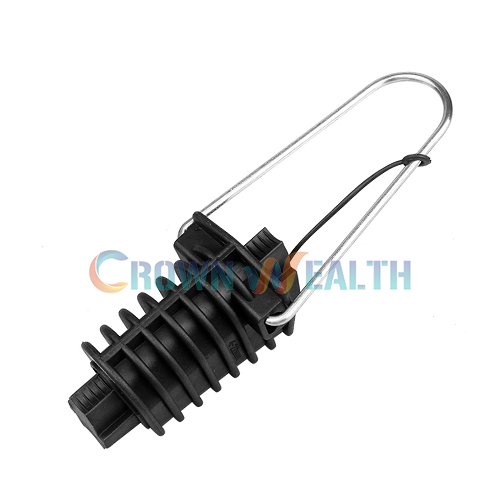
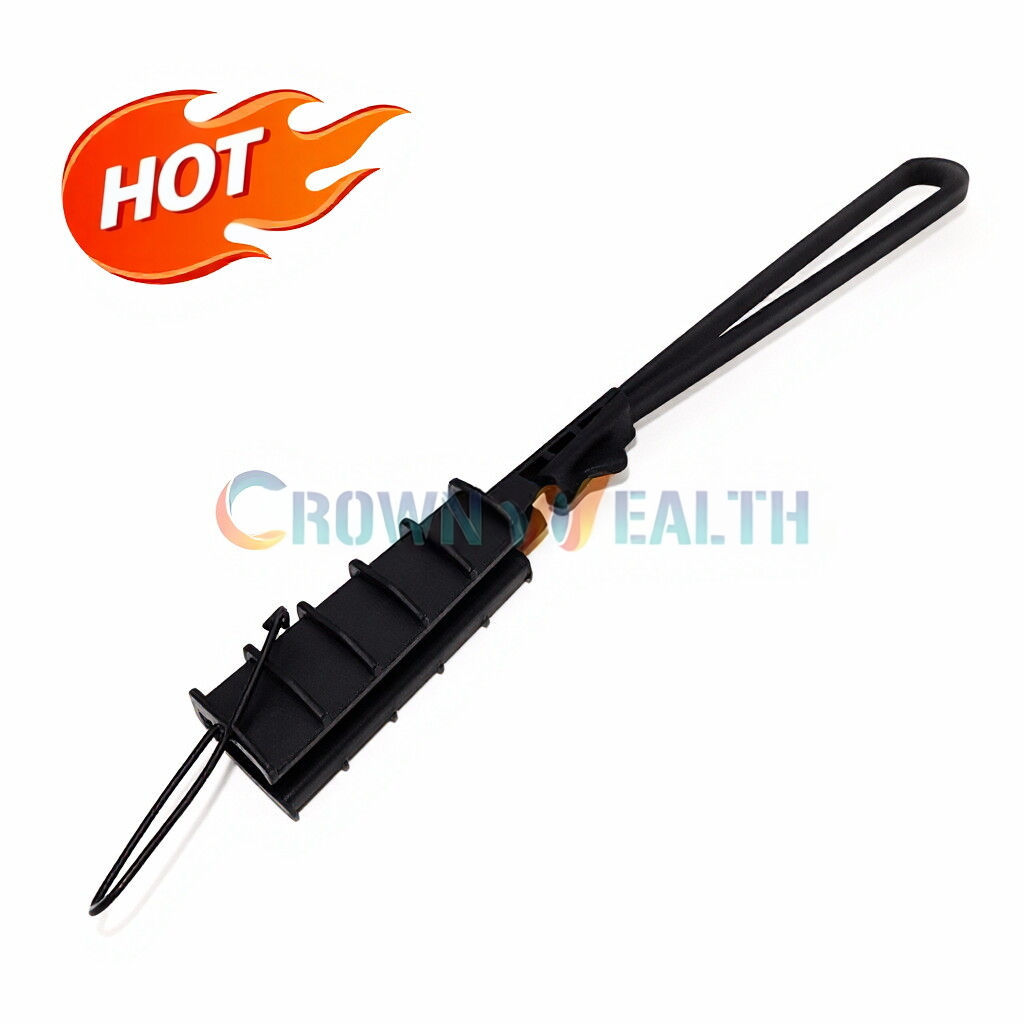
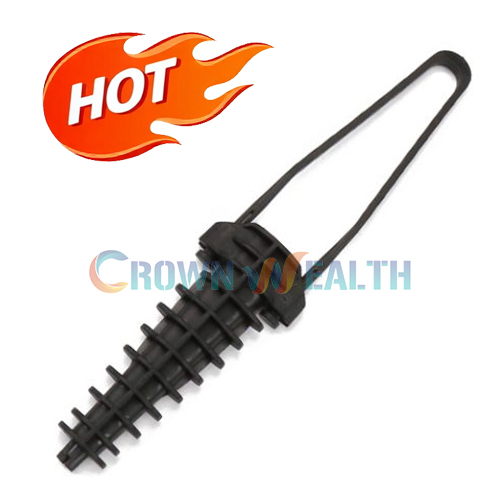
A downlead clamp, such as the Downlead Clamp we supply, is a specialized device designed to secure and support downleads. Downleads are conductors that carry electrical signals or optical data from an elevated point, such as a mast or a tower, to the ground - based equipment. In communication systems, downleads can be used for various purposes, including carrying data from antennas to communication devices.
Downlead clamps are typically made of high - quality materials such as stainless steel or aluminum alloy. These materials offer excellent corrosion resistance, mechanical strength, and durability, which are essential for withstanding harsh environmental conditions. The design of downlead clamps allows for easy installation and adjustment, ensuring a secure grip on the downleads without causing damage to the cables.
Suitability for Communication Downleads
The answer to whether a downlead clamp can be used for communication downleads is generally yes. Here are several reasons to support this conclusion:
1. Physical Protection
Communication downleads, especially those used in outdoor environments, are exposed to various physical threats such as wind, rain, and mechanical vibrations. A downlead clamp provides a stable and secure support structure for the downleads, preventing them from being damaged by external forces. For example, in areas with high - wind conditions, the clamp holds the downleads firmly in place, reducing the risk of the cables being blown away or tangled.
2. Electrical Isolation
In some communication systems, electrical isolation is crucial to prevent interference and ensure signal integrity. High - quality downlead clamps are designed to provide a certain degree of electrical isolation between the downleads and the supporting structure. This helps to minimize the impact of electrical noise and interference on the communication signals, resulting in a more reliable communication link.
3. Compatibility
Modern downlead clamps are designed to be compatible with a wide range of cable sizes and types. Whether it is a coaxial cable, fiber - optic cable, or other types of communication cables, there is usually a suitable downlead clamp available. This compatibility makes it easy for communication system installers to use downlead clamps for different types of downleads, simplifying the installation process and reducing the need for multiple types of fastening devices.
Considerations When Using Downlead Clamps for Communication Downleads
While downlead clamps are generally suitable for communication downleads, there are some considerations that need to be taken into account:


1. Cable Type and Size
It is essential to choose the right downlead clamp based on the type and size of the communication downleads. Different cables have different diameters and mechanical properties, and using an inappropriate clamp may result in an insecure grip or damage to the cables. For example, fiber - optic cables are more delicate than coaxial cables and require a clamp with a gentle grip to avoid breaking the fibers.
2. Environmental Conditions
The environmental conditions where the communication downleads are installed also play a significant role in the selection of downlead clamps. In areas with high humidity, salt - water exposure, or extreme temperatures, it is necessary to choose a downlead clamp with enhanced corrosion resistance and temperature tolerance. For instance, in coastal areas, stainless - steel downlead clamps are often preferred due to their excellent resistance to salt - water corrosion.
3. Installation Method
Proper installation of the downlead clamp is crucial for its performance. Incorrect installation may lead to a loose grip, which can cause the downleads to move or vibrate, potentially affecting the communication signals. It is recommended to follow the manufacturer's installation instructions carefully and use the appropriate tools during the installation process.
Comparison with Other Fittings
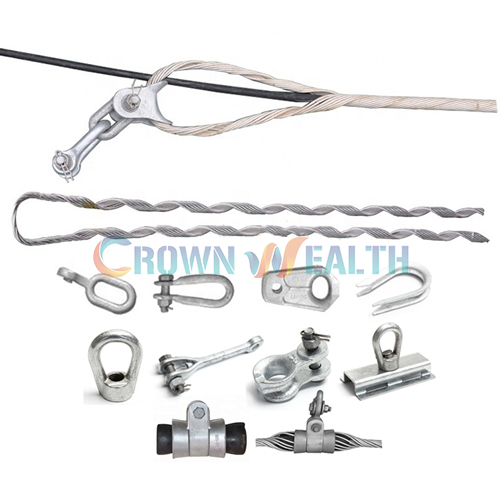
In addition to downlead clamps, there are other types of fittings used in communication systems, such as ADSS Suspension Clamp and Preformed Dead End Guy Grips Sets for ADSS. While these fittings also serve important functions in supporting and securing communication cables, they have different applications compared to downlead clamps.
ADSS suspension clamps are mainly used for suspending all - dielectric self - supporting (ADSS) fiber - optic cables from poles or towers. They are designed to provide a long - term, stable suspension for the cables, allowing them to span long distances. On the other hand, downlead clamps are focused on securing the downleads that connect the elevated cables to the ground - based equipment.
Preformed dead - end guy grips sets for ADSS are used to terminate ADSS cables at the end of a span. They provide a reliable and secure connection between the cable and the anchor point. In contrast, downlead clamps are used to support the vertical or near - vertical sections of the downleads.
Benefits of Choosing Our Downlead Clamps
As a downlead clamp supplier, we offer a wide range of high - quality downlead clamps that are specifically designed for communication applications. Our products have the following advantages:
1. High - Quality Materials
We use only the best materials in the manufacturing of our downlead clamps. Our stainless - steel and aluminum - alloy clamps offer superior corrosion resistance and mechanical strength, ensuring a long service life even in the most demanding environments.
2. Precise Design
Our downlead clamps are designed with precision to ensure a perfect fit for different types of communication downleads. The unique design features also make the installation process quick and easy, saving time and labor costs for our customers.
3. Customization Options
We understand that different communication projects may have specific requirements. That's why we offer customization options for our downlead clamps. Whether it is a special size, color, or additional features, we can work with our customers to meet their unique needs.
Conclusion
In conclusion, a downlead clamp can indeed be used for communication downleads. It provides physical protection, electrical isolation, and compatibility for communication cables, making it an essential component in communication systems. However, it is important to consider factors such as cable type, environmental conditions, and installation method when using downlead clamps.
If you are in the process of planning a communication project and are looking for high - quality downlead clamps, we are here to help. Our team of experts can provide you with professional advice and guidance on the selection and installation of downlead clamps. Contact us today to discuss your requirements and start a successful procurement negotiation.
References
- IEEE Standards Association. IEEE standards for communication cable installation.
- International Electrotechnical Commission (IEC). IEC standards for electrical and electronic equipment in communication systems.