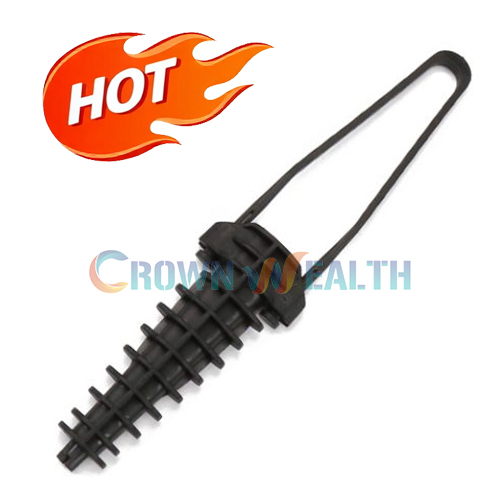
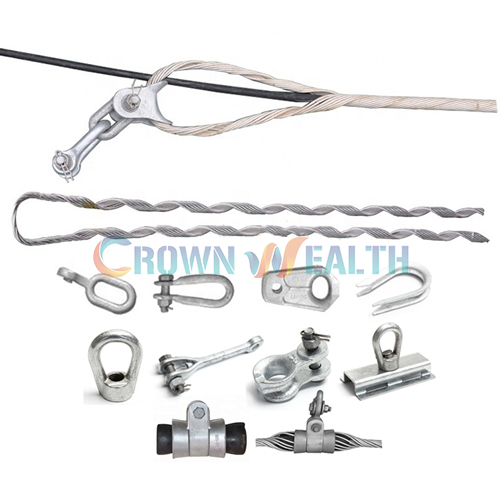
As a supplier of Dead End Guy Grips, ensuring the proper installation of these essential components is not only crucial for the safety and efficiency of electrical and communication systems but also for maintaining our reputation as a reliable provider. In this blog, I'll share some key steps and considerations to guarantee the correct installation of Dead End Guy Grips.
Understanding Dead End Guy Grips
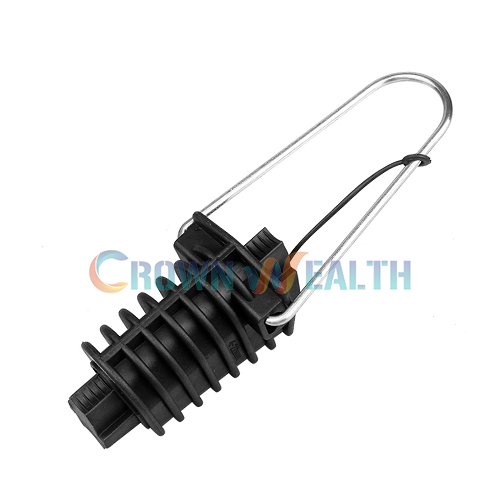
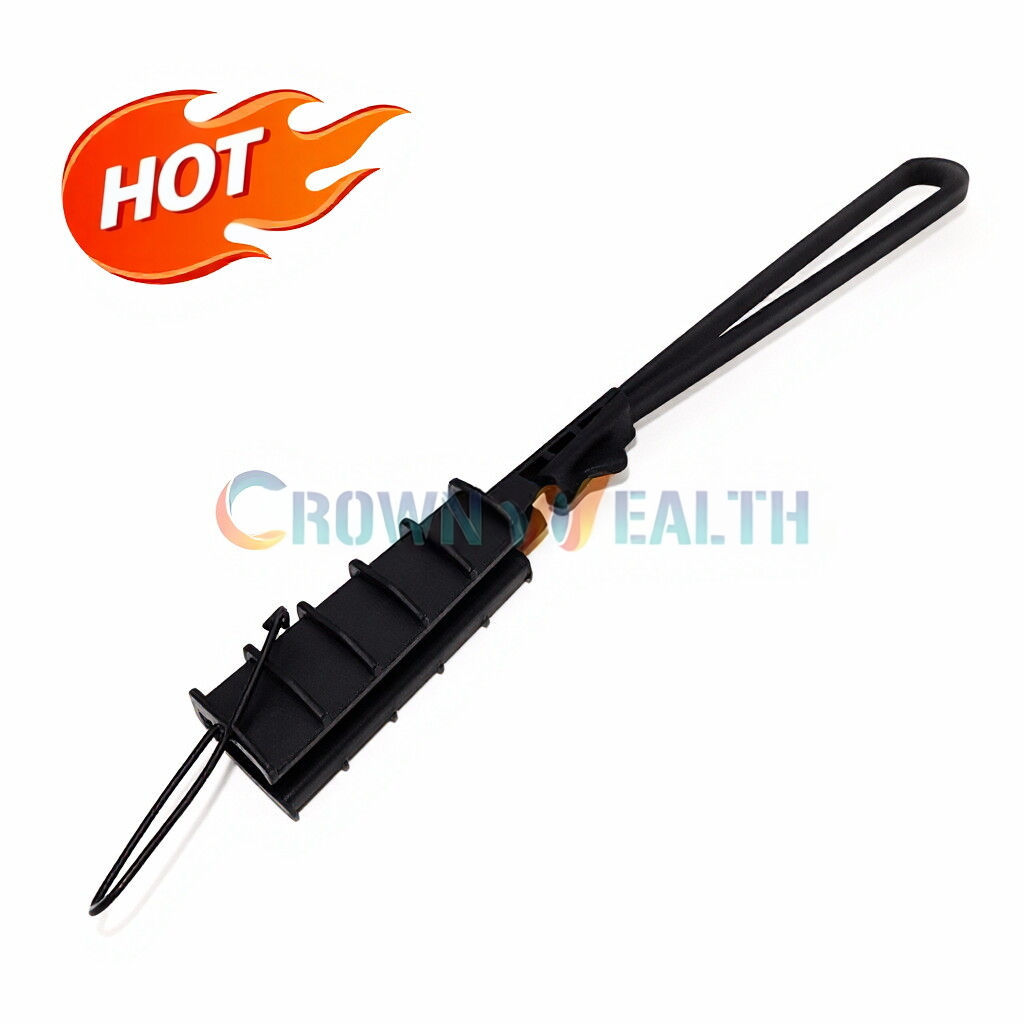
Before delving into the installation process, it's important to understand what Dead End Guy Grips are and their function. Dead End Guy Grips are used to secure the end of a guy wire to a structure, such as a pole or tower. They are designed to provide a strong and reliable connection that can withstand the tension and forces exerted on the guy wire. These grips are commonly used in power transmission and distribution lines, as well as in communication networks to support poles and towers.
Pre - installation Preparation
- Inspection of Materials
- As a supplier, we ensure that all Dead End Guy Grips we provide are of high - quality. However, before installation, it's essential for the installers to conduct a thorough inspection. Check for any signs of damage, such as cracks, dents, or corrosion on the grips. Also, examine the guy wire for any fraying or other defects. If any issues are found, replace the damaged components immediately.
- Measurement and Planning
- Measure the length of the guy wire accurately. The length should be determined based on the height of the structure and the angle at which the guy wire will be installed. Calculate the tension that the guy wire will need to withstand. This calculation is crucial as it will determine the appropriate size and type of Dead End Guy Grips to use. You can find more information about selecting the right grips on our Dead End Guy Grips page.
- Plan the installation location carefully. The guy wire should be installed at the correct angle to provide maximum support to the structure. The anchor point for the guy wire should be strong enough to hold the tension.
Installation Steps
- Preparing the Guy Wire
- Clean the surface of the guy wire where the Dead End Guy Grip will be installed. Remove any dirt, grease, or rust to ensure a good connection. If necessary, use a wire brush or a suitable cleaning agent.
- For some types of Dead End Guy Grips, you may need to pre - form the guy wire. This involves bending the wire in a specific shape to fit the grip properly. Follow the manufacturer's instructions for pre - forming the wire.
- Installing the Dead End Guy Grip
- First, place the grip on the guy wire at the appropriate location. Make sure the grip is aligned correctly with the wire. Some grips have specific markings or indicators to help with alignment.
- Tighten the grip according to the manufacturer's specifications. This may involve using a torque wrench to ensure that the correct amount of force is applied. Over - tightening can damage the grip or the guy wire, while under - tightening can result in a loose connection that may fail under tension.
- Securing the Guy Wire to the Structure
- Once the Dead End Guy Grip is installed on the guy wire, attach the wire to the structure. This may involve using a turnbuckle or other fastening devices. Make sure the connection is secure and that the guy wire is properly tensioned.
- Check the alignment of the guy wire again to ensure that it is straight and at the correct angle. Adjust the tension if necessary.
Additional Considerations
- Use of Accessories
- In some cases, additional accessories may be required for the proper installation of Dead End Guy Grips. For example, Armor Rods can be used to protect the guy wire from abrasion and damage. These rods are placed around the guy wire before installing the grip.
- Vibration Damper can also be installed to reduce the effects of wind - induced vibrations on the guy wire. Vibrations can cause fatigue and premature failure of the wire and the grip, so using a vibration damper can significantly extend the lifespan of the system.
- Environmental Factors
- Consider the environmental conditions in which the Dead End Guy Grips will be installed. If the area is prone to high winds, heavy snow, or extreme temperatures, choose grips and accessories that are designed to withstand these conditions. For example, in cold climates, the materials used in the grips should be able to resist brittleness.
- Corrosion is another important factor. If the installation is in a coastal area or an area with high levels of pollution, use corrosion - resistant materials for the grips and the guy wire.
Post - installation Checks
- Tension Check
- After installation, check the tension of the guy wire. Use a tension meter to ensure that the tension is within the specified range. If the tension is too high or too low, adjust it accordingly.
- Visual Inspection
- Conduct a visual inspection of the entire installation. Check for any signs of misalignment, loose connections, or damage. Make sure the Dead End Guy Grip is firmly attached to the guy wire and the structure.
- Functionality Test
- In some cases, it may be necessary to perform a functionality test. This can involve simulating normal operating conditions to ensure that the guy wire and the grip are functioning properly.
Conclusion
Proper installation of Dead End Guy Grips is essential for the safety and reliability of electrical and communication systems. By following the steps outlined above, including pre - installation preparation, correct installation techniques, and post - installation checks, you can ensure that your Dead End Guy Grips are installed correctly.


If you have any questions about Dead End Guy Grips or need assistance with installation, our team of experts is here to help. We have a wide range of high - quality Dead End Guy Grips and related accessories to meet your needs. Contact us to discuss your requirements and start a procurement negotiation.
References
- Electrical Transmission and Distribution Handbook, Third Edition
- Standards for Guy Wire Installation in Power Systems, [Industry Standard Organization]