As a supplier of Square Spacer Dampers, I've witnessed firsthand the importance of these components in power transmission systems. Square Spacer Dampers play a crucial role in maintaining the spacing between conductors and reducing vibrations that can lead to conductor fatigue and failure. However, one factor that often goes overlooked is the effect of dust on the performance of these dampers. In this blog post, I'll explore the impact of dust on Square Spacer Dampers and discuss how it can affect their functionality and longevity.
Understanding Square Spacer Dampers
Before delving into the effects of dust, it's essential to understand the basic function of Square Spacer Dampers. These devices are typically installed on overhead power lines to keep the conductors at a consistent distance from each other. By maintaining proper spacing, Square Spacer Dampers help prevent conductor galloping, which is a self - excited, large - amplitude vibration that can cause mechanical damage to the conductors and other line components.
The dampers work by dissipating the energy of the vibrations through a combination of mechanical and damping mechanisms. They are designed to be durable and reliable, but like any mechanical device, they can be affected by environmental factors such as dust.
How Dust Accumulates on Square Spacer Dampers
Dust is a common environmental pollutant that can be found in various forms and sizes. In power transmission areas, dust can come from industrial activities, construction sites, and natural sources such as wind - blown soil. When dust particles are carried by the wind, they can settle on the surface of Square Spacer Dampers.
The accumulation of dust on dampers is a gradual process. Small dust particles can adhere to the damper's surface due to electrostatic forces or simply because of the rough texture of the damper material. Over time, more and more dust accumulates, forming a layer that can vary in thickness depending on the environmental conditions and the duration of exposure.
Effects of Dust on the Performance of Square Spacer Dampers
1. Increased Weight
One of the most immediate effects of dust accumulation is an increase in the weight of the Square Spacer Damper. As dust builds up on the damper, it adds extra mass to the device. This additional weight can affect the damper's ability to move freely and respond to vibrations.
A heavier damper may not be able to oscillate as effectively as a clean one. This can lead to a reduction in the damper's damping efficiency, meaning that it is less capable of dissipating the energy of the vibrations. As a result, the conductors may experience higher levels of vibration, increasing the risk of fatigue and failure.


2. Corrosion and Wear
Dust often contains various chemical substances, such as salts, acids, and metals. When these substances come into contact with the damper's surface, they can cause corrosion. Corrosion can weaken the structure of the damper, making it more prone to mechanical failure.
In addition to corrosion, the abrasive nature of some dust particles can cause wear on the damper's surface. As the damper moves and vibrates, the dust particles can act like sandpaper, gradually wearing away the protective coating and the underlying material. This wear can also compromise the damper's performance and reduce its lifespan.
3. Electrical Conductivity Issues
In some cases, dust can affect the electrical conductivity of the Square Spacer Damper. If the dust contains conductive particles, it can create a path for electrical current to flow where it is not intended. This can lead to electrical arcing and short - circuits, which are extremely dangerous in power transmission systems.
Even non - conductive dust can cause problems. A thick layer of dust can act as an insulator, preventing proper electrical grounding of the damper. This can disrupt the normal electrical balance in the system and potentially lead to equipment damage.
4. Reduced Aerodynamic Performance
Square Spacer Dampers are designed to have a certain aerodynamic shape to optimize their performance. The accumulation of dust can change the damper's aerodynamic profile. A dust - covered damper may experience increased drag, which can affect its ability to move smoothly in response to wind and vibration.
This reduced aerodynamic performance can also lead to changes in the damper's natural frequency. When the natural frequency of the damper is altered, it may no longer be in tune with the frequency of the vibrations in the conductors. As a result, the damper may not be able to effectively dampen the vibrations, increasing the risk of conductor damage.
Mitigating the Effects of Dust on Square Spacer Dampers
1. Regular Inspections
Regular inspections are crucial for detecting the early signs of dust accumulation on Square Spacer Dampers. By visually inspecting the dampers at regular intervals, maintenance personnel can identify any significant dust buildup and take appropriate action.
During inspections, it's also important to check for signs of corrosion, wear, and other damage. If any issues are detected, the damper can be cleaned or replaced as needed to ensure its continued performance.
2. Cleaning
Cleaning is an effective way to remove dust from Square Spacer Dampers. There are several methods that can be used for cleaning, depending on the severity of the dust accumulation.
For light dust buildup, a simple brushing or blowing with compressed air can be sufficient. For more stubborn dust, a mild detergent solution can be used to clean the damper's surface. However, it's important to use a cleaning method that does not damage the damper's material or coating.
3. Protective Coatings
Applying a protective coating to Square Spacer Dampers can help prevent dust from adhering to the surface. There are various types of coatings available, such as anti - static coatings and hydrophobic coatings.
Anti - static coatings can reduce the electrostatic forces that cause dust particles to stick to the damper. Hydrophobic coatings, on the other hand, can make the damper's surface water - repellent, which can help prevent dust from adhering and also protect against corrosion.
Related Products and Their Importance in Power Transmission
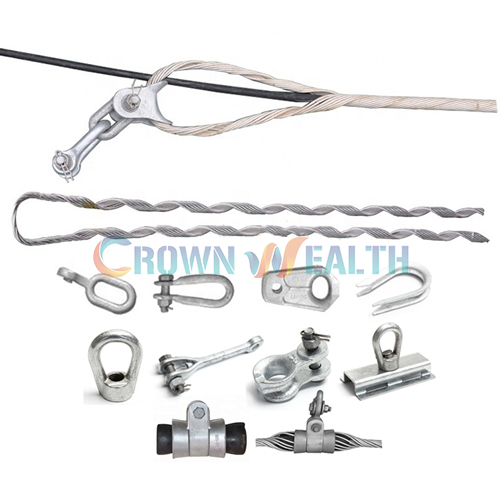
In addition to Square Spacer Dampers, there are other important products in power transmission systems. For example, Hot Dip Galvanized Dampers are designed to be more resistant to corrosion. The hot - dip galvanizing process provides a protective layer that can withstand harsh environmental conditions, including exposure to dust and other pollutants.
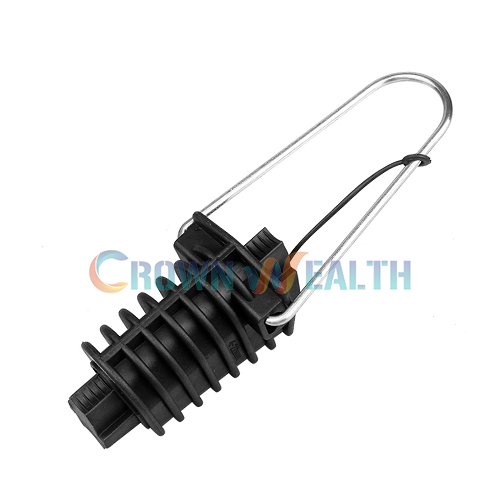
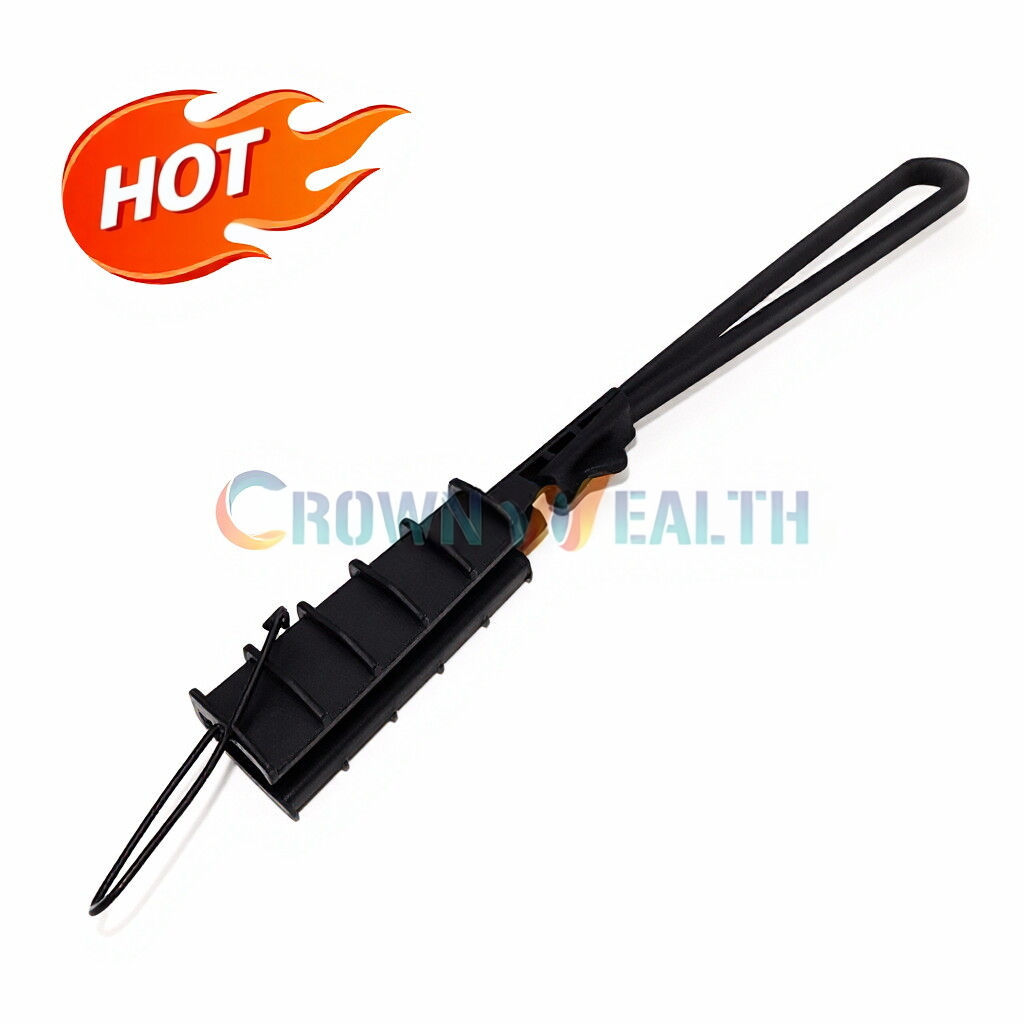
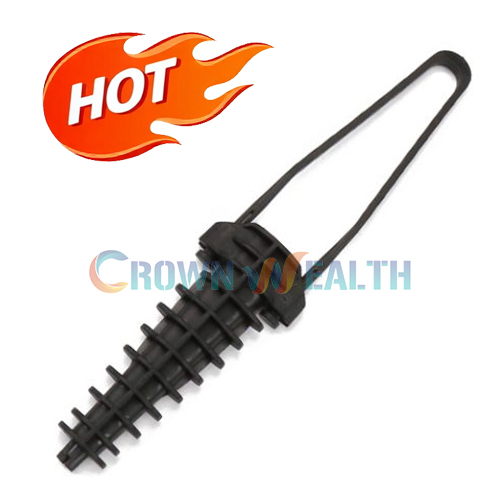
Overhead Line Accessories Preformed Dead End Clamp Guy Grip for Cable is another essential product. These clamps are used to secure cables at the end of overhead lines, ensuring the stability and safety of the power transmission system. They need to be reliable and durable, and like Square Spacer Dampers, they can also be affected by dust and other environmental factors.
Preformed Conductor Tension Set is used to maintain the proper tension in conductors. A well - tensioned conductor is less likely to experience excessive vibration, which can be beneficial for the overall performance of the power transmission system.
Conclusion
In conclusion, dust can have a significant impact on the performance of Square Spacer Dampers. It can increase the damper's weight, cause corrosion and wear, and affect its electrical and aerodynamic performance. However, by understanding these effects and taking appropriate preventive measures, such as regular inspections, cleaning, and the use of protective coatings, the negative impact of dust can be minimized.
As a Square Spacer Damper supplier, I am committed to providing high - quality products and solutions to our customers. If you are interested in learning more about our Square Spacer Dampers or other power transmission products, or if you have any questions regarding the impact of dust on these devices, please feel free to contact us for further discussion and potential procurement. We look forward to working with you to ensure the reliability and efficiency of your power transmission systems.
References
- IEEE Std 524 - 2019, IEEE Guide for Installation of Overhead Transmission Line Conductors.
- CIGRE Technical Brochure 600, "Vibration and Galloping of Overhead Lines".
- ASTM standards related to the testing and evaluation of mechanical components for power transmission systems.