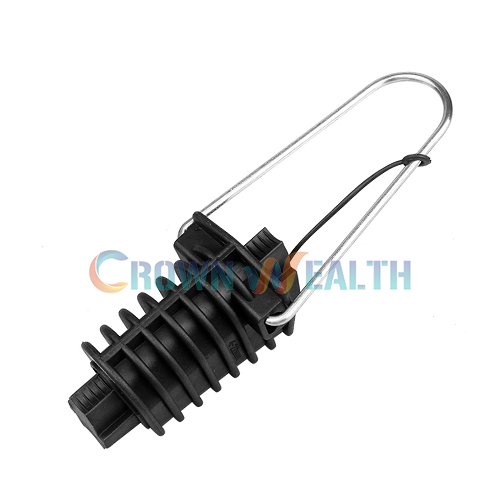
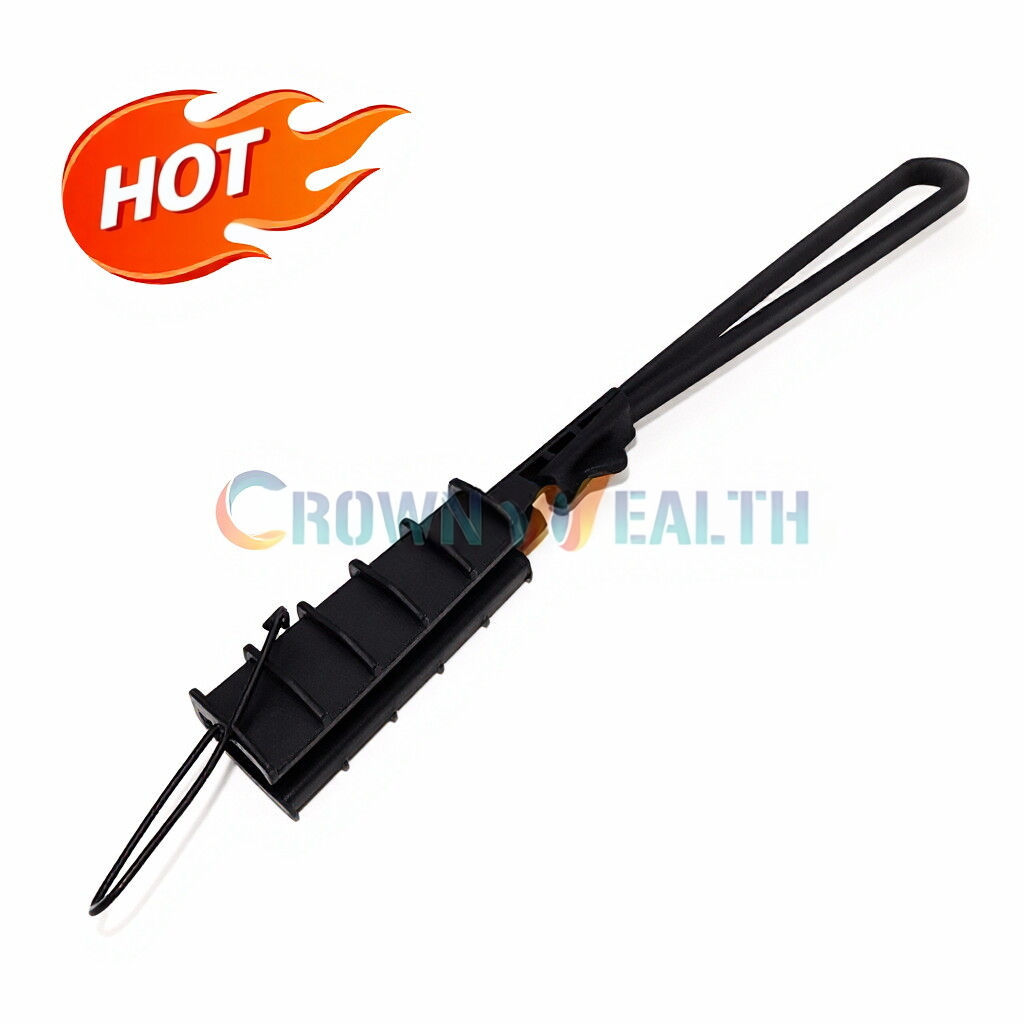
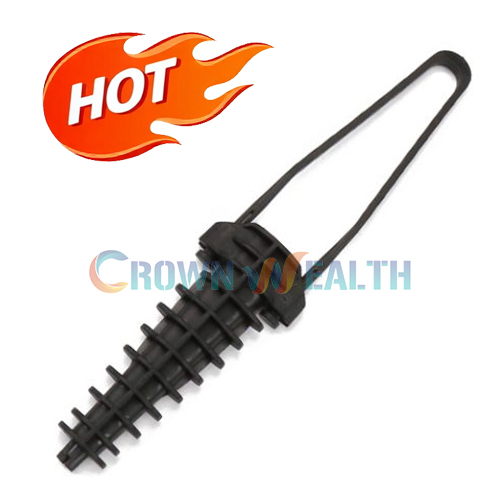
Hey there! As a supplier of Spiral Vibration Dampers, I've got a ton of experience in these nifty little devices. Today, I'm gonna share with you how to test the performance of a Spiral Vibration Damper.
Why Test Spiral Vibration Dampers?
First off, you might be wondering why we even need to test these dampers. Well, Spiral Vibration Dampers are crucial in various industries, especially in power transmission and cable systems. They're designed to reduce vibrations in cables, which can prevent premature wear and tear, and even avoid potential failures. So, ensuring their proper performance is super important to keep the whole system running smoothly.


Pre - Test Preparations
Before we jump into the actual testing, there are a few things we need to do. First, we gotta make sure the damper is properly installed. Check the installation manual to ensure that it's attached correctly to the cable. Any loose connections or improper positioning can affect the test results.
Next, gather all the necessary testing equipment. You'll need tools like vibration sensors, data loggers, and maybe a frequency analyzer. These tools will help us measure and analyze the damper's performance accurately.
Initial Visual Inspection
Start with a simple visual inspection of the Spiral Vibration Damper. Look for any signs of damage, such as cracks, dents, or corrosion. A damaged damper might not perform as expected, so it's important to catch these issues early on. Check the wire connections and make sure they're secure. If you notice any problems during this inspection, it's best to replace the damper before proceeding with the tests.
Static Testing
The first type of test we'll do is static testing. This involves applying a static load to the damper and measuring its response. Use a testing rig to apply a known force to the damper and measure the displacement. This will give us an idea of the damper's stiffness.
During static testing, we can also check the damper's ability to maintain its shape under load. A good Spiral Vibration Damper should return to its original shape once the load is removed. If it doesn't, it might not be able to handle dynamic vibrations effectively.
Dynamic Testing
Now, let's move on to the more exciting part - dynamic testing. This is where we simulate real - world vibration conditions. We'll use a vibration generator to create vibrations at different frequencies and amplitudes.
Attach the vibration sensors to the cable near the damper. These sensors will measure the vibration levels before and after the damper is installed. The data logger will record all the measurements over time.
We'll start by testing the damper at low - frequency vibrations. This simulates gentle vibrations that the cable might experience in normal operating conditions. Measure the reduction in vibration levels. A good damper should significantly reduce the vibration amplitude at these frequencies.
Then, gradually increase the frequency and amplitude of the vibrations. This will test the damper's performance under more extreme conditions. Keep an eye on the data from the sensors. If the damper starts to lose its effectiveness at higher frequencies or amplitudes, it might need some adjustments or replacement.
Frequency Response Testing
Frequency response testing is a key part of evaluating a Spiral Vibration Damper. We want to know how the damper responds to different frequencies of vibration. Use a frequency analyzer to plot the damper's frequency response curve.
This curve will show us the frequencies at which the damper is most effective. It can also help us identify any resonant frequencies where the damper might amplify the vibrations instead of reducing them. If we find any resonant frequencies, we can make adjustments to the damper's design or installation to avoid these issues.
Long - Term Testing
In addition to the short - term tests, it's also important to conduct long - term testing. Install the damper in a real - world environment and monitor its performance over an extended period, say a few months or even a year.
During this long - term testing, collect data on the vibration levels, temperature, and any other relevant environmental factors. This data will give us a better understanding of how the damper performs under different conditions and over time. It can also help us predict the damper's lifespan and maintenance requirements.
Comparing with Standards
Once we've completed all the tests, we need to compare the test results with industry standards. There are various standards and guidelines for Spiral Vibration Dampers, which specify the minimum performance requirements.
If the damper meets or exceeds these standards, it's considered a good performer. If it falls short, we need to figure out what went wrong. It could be an issue with the design, the manufacturing process, or the installation.
Related Products
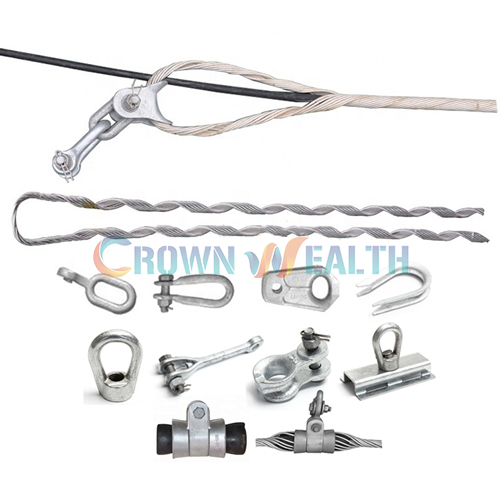
If you're in the market for other protective fittings for your cables, we also offer some great products. Check out our Helical Spiral Vibration Damper, Preformed Armor Rods, and Cable Guy Grips. These products work hand - in - hand with Spiral Vibration Dampers to ensure the safety and longevity of your cable systems.
Conclusion
Testing the performance of a Spiral Vibration Damper is a multi - step process that involves both static and dynamic testing. By following these steps and using the right equipment, you can ensure that your dampers are working effectively.
If you're interested in purchasing high - quality Spiral Vibration Dampers or need more information about testing and performance, don't hesitate to reach out. We're here to help you with all your cable protection needs.
References
- Industry standards for cable vibration dampers
- Manufacturer's manuals for Spiral Vibration Dampers
- Research papers on cable vibration reduction technologies