Hey there! As a supplier of Cable Storage Assemblies, I often get asked about the noise reduction performance of these nifty gadgets. So, I thought I'd take a deep dive into this topic and share some insights with you all.


First off, let's understand what we mean by noise in the context of cable storage assemblies. Noise here refers to any unwanted electrical interference or signal distortion that can occur within the cables. This can be caused by a variety of factors, such as electromagnetic interference (EMI) from nearby electrical equipment, radio frequency interference (RFI), or even just the natural resistance and capacitance of the cables themselves.
Now, why is noise reduction so important? Well, in today's high - tech world, where data transfer speeds are crucial and the quality of signals can make or break a system, minimizing noise is essential. For instance, in a telecommunications network, noisy cables can lead to dropped calls, slow data transfer rates, and even complete system failures. In industrial settings, it can cause errors in control systems, leading to inefficiencies and potential safety hazards.
So, how does a cable storage assembly help with noise reduction?
Shielding
One of the primary ways a cable storage assembly reduces noise is through shielding. Many of our cable storage assemblies are equipped with shielding materials, such as metal foils or braided wires. These shields act as a barrier, preventing external electromagnetic fields from penetrating the cables and interfering with the signals. For example, a well - shielded coaxial cable in our storage assembly can significantly reduce the impact of EMI and RFI. The shield redirects the interfering signals to the ground, ensuring that the data traveling through the cable remains clean and undistorted.
Cable Organization
Another crucial aspect is cable organization. When cables are neatly organized within a storage assembly, it reduces the chances of them getting tangled. Tangled cables can create electromagnetic coupling between adjacent cables, which in turn can generate noise. Our cable storage assemblies are designed with features like compartments, trays, and clips to keep the cables separated and organized. This way, each cable can operate independently, minimizing the risk of interference.
Quality of Materials
The quality of the materials used in the cable storage assembly also plays a vital role in noise reduction. We use high - quality insulation materials for the cables in our assemblies. These insulators have low dielectric constants, which means they can effectively isolate the conductors from each other and from the external environment. This reduces the capacitance between the conductors, which is a major source of noise in cables. Additionally, the connectors used in our assemblies are made to high standards, ensuring a secure and low - resistance connection. A poor connection can cause signal reflections, which can lead to noise and signal degradation.
Testing and Certification
We don't just rely on the design and materials; we also put our cable storage assemblies through rigorous testing. Our products are tested for noise reduction performance in various real - world scenarios. We use advanced testing equipment to measure the amount of noise reduction achieved by the assemblies. Moreover, our products are certified to meet industry standards for noise reduction. This gives our customers the confidence that they are getting a reliable product that will perform as expected.
Now, let's talk about some of the related products that can work in conjunction with our cable storage assemblies to further enhance the overall performance of a cable system.
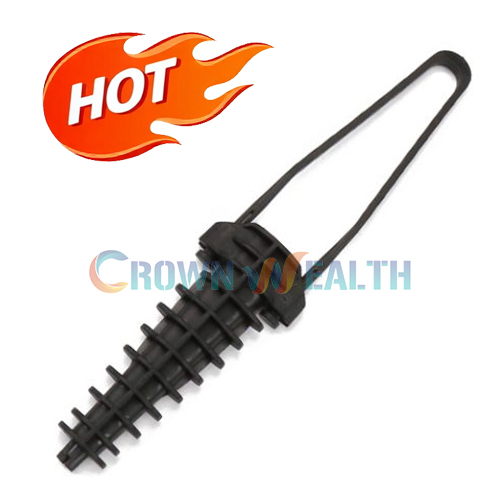
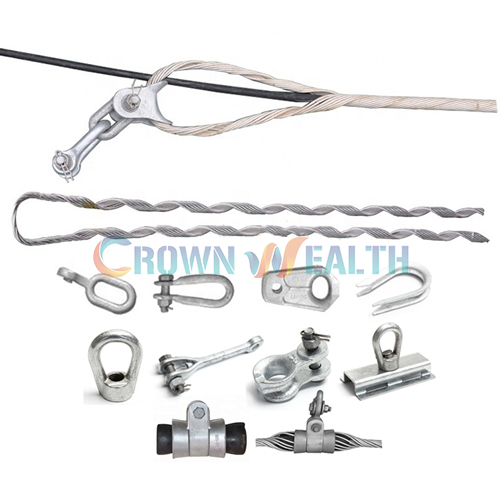
If you're dealing with overhead power lines and fiber - optic cables, you might be interested in the OPGW Preformed Helical Tension Clamp. This clamp is designed to provide a secure and reliable connection for OPGW (Optical Ground Wire) cables. It helps in maintaining the proper tension of the cables, which is important for signal integrity and can also contribute to noise reduction by ensuring stable cable operation.
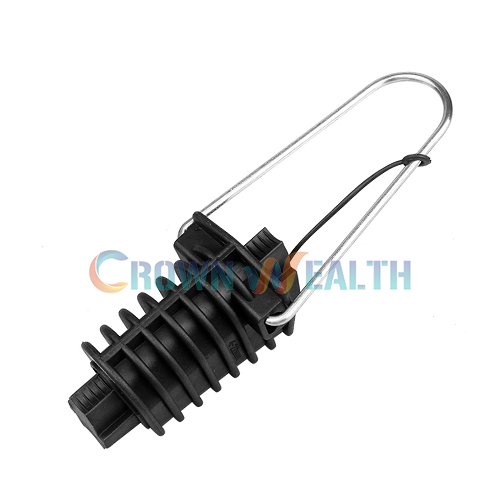
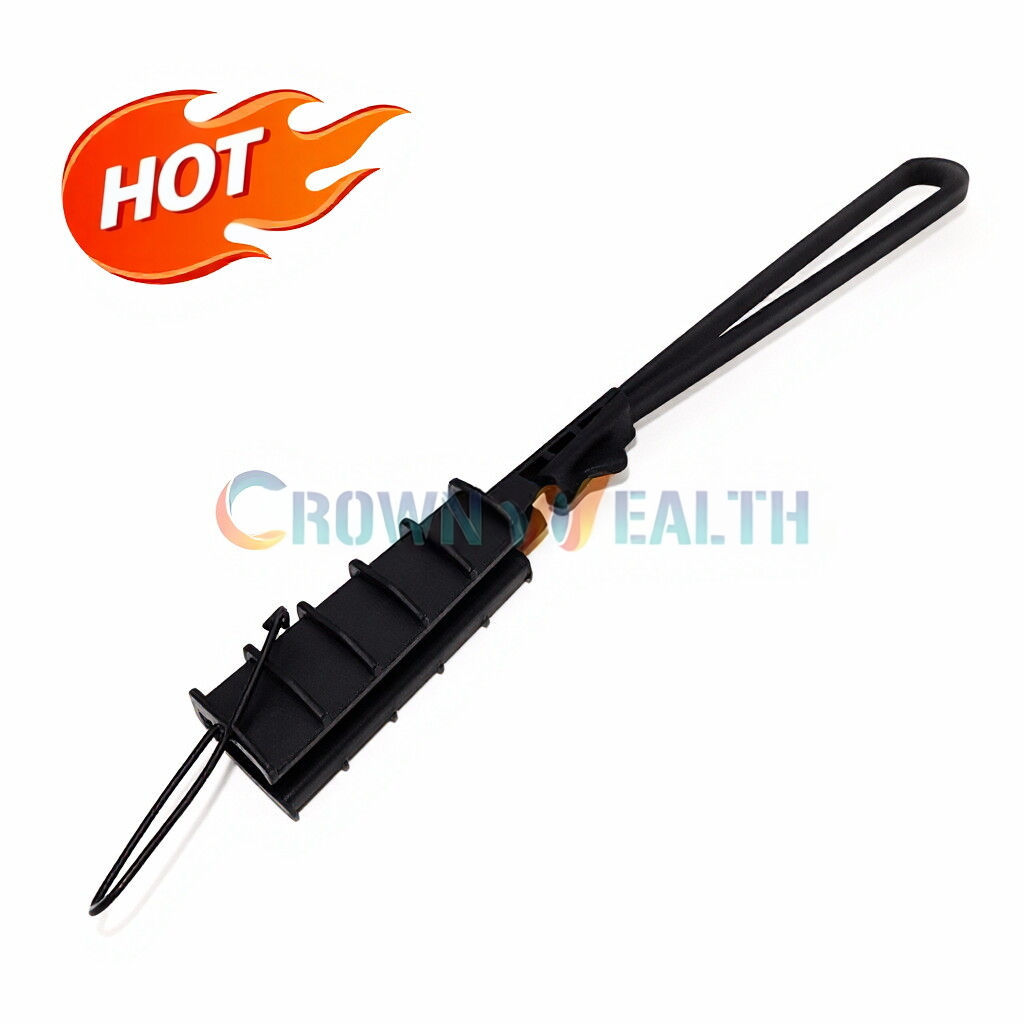
Another useful product is the Tension Clamp for Overhead Line. This clamp is essential for keeping the cables taut and in place. A loose cable can cause vibrations, which can generate noise and also increase the risk of damage. By using our high - quality tension clamps, you can ensure that your cables are properly supported and that the noise levels are kept to a minimum.
For splicing optical cables, our Aluminum Alloy Optical Cable Splice Box is a great option. It provides a protected environment for cable splicing, which is crucial for maintaining signal quality. A well - spliced cable has lower signal loss and is less prone to noise. The aluminum alloy construction of the splice box also offers good shielding properties, further enhancing the noise reduction capabilities.
In conclusion, the noise reduction performance of our cable storage assemblies is a result of a combination of factors, including shielding, cable organization, quality of materials, and rigorous testing. Whether you're in the telecommunications industry, industrial automation, or any other field that relies on cable systems, our cable storage assemblies can help you achieve a cleaner, more reliable signal.
If you're interested in learning more about our cable storage assemblies or have specific requirements for your project, we'd love to hear from you. Feel free to reach out to us for a detailed discussion about your needs. We're here to provide you with the best solutions for your cable management and noise reduction challenges.
References
- IEEE Standards for Electromagnetic Compatibility
- Industry reports on cable performance and noise reduction
- Technical documentation from cable and cable accessory manufacturers