As a supplier of protective fittings, I understand the critical role these components play in various industries, from electrical power transmission to telecommunications. Protective fittings are designed to safeguard equipment, structures, and even personnel from a range of environmental and operational hazards. However, like all mechanical and engineered products, they have a finite lifespan and will eventually need to be replaced. In this blog post, I will discuss the signs that indicate a protective fitting needs to be replaced, drawing on my experience and industry knowledge.
Physical Damage
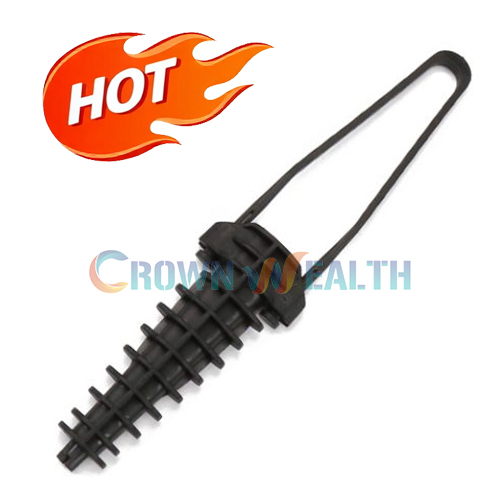
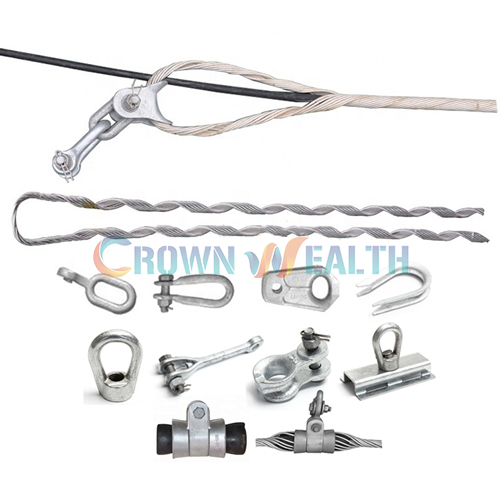
One of the most obvious signs that a protective fitting needs to be replaced is physical damage. This can include cracks, breaks, dents, or corrosion. Physical damage can compromise the integrity of the fitting, reducing its ability to provide adequate protection. For example, a cracked Preformed End Guy Grips may not be able to hold the guy wire securely, increasing the risk of the structure it supports collapsing. Similarly, a corroded Helical Spiral Vibration Damper may lose its effectiveness in reducing vibration, leading to premature wear and tear on the conductor.
Regular visual inspections are essential for detecting physical damage. Inspectors should look for any signs of damage, including surface cracks, deformation, or rust. If any damage is detected, the fitting should be replaced immediately to prevent further issues.
Wear and Tear
Over time, protective fittings will experience wear and tear due to normal use. This can include abrasion, friction, and fatigue. Wear and tear can cause the fitting to lose its original shape and dimensions, reducing its effectiveness. For example, a Preformed Conductor Tension Set that has been subjected to repeated tension may stretch or deform, leading to a loss of tension in the conductor. This can increase the risk of sagging, which can cause the conductor to come into contact with other objects, leading to short circuits or other electrical problems.
To prevent wear and tear, it is important to choose protective fittings that are made from high-quality materials and are designed to withstand the specific conditions of the application. Regular maintenance and lubrication can also help to reduce wear and tear and extend the lifespan of the fitting.
Loss of Functionality
Another sign that a protective fitting needs to be replaced is a loss of functionality. This can include a reduction in the fitting's ability to perform its intended function, such as providing protection against vibration, tension, or corrosion. For example, a vibration damper that has lost its effectiveness may no longer be able to reduce vibration to an acceptable level, leading to increased stress on the conductor and other components. Similarly, a corrosion-resistant coating that has worn off may no longer provide adequate protection against corrosion, leading to rust and other forms of damage.
To detect a loss of functionality, it is important to monitor the performance of the protective fitting regularly. This can include measuring vibration levels, tension, or corrosion rates. If any significant changes are detected, the fitting should be inspected and, if necessary, replaced.
Changes in Environmental Conditions
Environmental conditions can have a significant impact on the performance and lifespan of protective fittings. Changes in temperature, humidity, and exposure to chemicals or other contaminants can cause the fitting to degrade over time. For example, extreme temperatures can cause the material of the fitting to expand or contract, leading to cracks or other forms of damage. High humidity can increase the risk of corrosion, while exposure to chemicals can cause the fitting to become brittle or lose its strength.
If the environmental conditions in which the protective fitting is installed change significantly, it is important to assess the impact on the fitting and determine whether it needs to be replaced. This may involve conducting additional inspections or testing to ensure that the fitting is still able to provide adequate protection.
Age
Finally, the age of the protective fitting can also be a factor in determining whether it needs to be replaced. Even if the fitting has not shown any signs of physical damage, wear and tear, or loss of functionality, it may still need to be replaced after a certain period of time. This is because the material of the fitting may degrade over time, reducing its strength and durability.


The lifespan of a protective fitting will depend on a variety of factors, including the type of fitting, the materials used, the environmental conditions, and the frequency of use. As a general rule, it is recommended to replace protective fittings every 5 to 10 years, depending on the specific application.
Conclusion
In conclusion, it is important to be aware of the signs that indicate a protective fitting needs to be replaced. Physical damage, wear and tear, loss of functionality, changes in environmental conditions, and age are all factors that can affect the performance and lifespan of a protective fitting. By conducting regular inspections, monitoring performance, and replacing fittings when necessary, you can ensure that your equipment and structures are protected against a range of hazards.
If you have any questions about protective fittings or need assistance in determining whether a fitting needs to be replaced, please do not hesitate to contact us. We are a leading supplier of protective fittings and have extensive experience in providing high-quality products and solutions to a wide range of industries. Our team of experts can help you choose the right fitting for your application and provide you with the support and advice you need to ensure its proper installation and maintenance.
References
- Electrical Power Transmission and Distribution Handbook, Third Edition, by Turan Gonen
- Handbook of Electrical Engineering, Second Edition, by John J. Cathey
- Protective Fittings for Electrical Power Systems, by IEEE Power and Energy Society