Vibration in overhead power lines is a common issue that can lead to significant problems such as fatigue failure of conductors, damage to hardware, and reduced service life of the entire transmission system. To mitigate these vibrations, various types of vibration dampers have been developed over the years. One such effective solution is the Spiral Vibration Damper, which I am proud to supply as a professional in this field. In this blog, we will delve into the energy - dissipation mechanism of a Spiral Vibration Damper, exploring how it works to protect overhead power lines.
The Basics of Vibration in Overhead Power Lines
Before we understand the energy - dissipation mechanism of a Spiral Vibration Damper, it is essential to know why vibrations occur in overhead power lines. There are several factors that can induce vibrations in power lines. The most common cause is the wind. When wind blows across a conductor, it creates alternating vortices on the leeward side of the conductor. These vortices generate lift forces that act perpendicular to the wind direction, causing the conductor to vibrate. This type of vibration is known as Aeolian vibration, which typically has a high frequency (5 - 150 Hz) and a small amplitude (less than the conductor diameter).
Another type of vibration is galloping, which is a low - frequency (0.1 - 3 Hz), large - amplitude vibration caused by the wind acting on an ice - coated conductor with an asymmetrical cross - section. Galloping can cause severe damage to the power line infrastructure, including tower collapse and conductor breakage.
Introduction to Spiral Vibration Dampers
A Spiral Vibration Damper is a mechanical device designed to reduce the vibrations in overhead power lines. It consists of a spiral - shaped wire or cable that is wrapped around the conductor. The unique spiral design of the damper allows it to interact with the vibrating conductor in a way that dissipates the vibrational energy. You can find more information about our Spiral Vibration Dampers on our website: Spiral Vibration Damper.
Energy - Dissipation Mechanisms of Spiral Vibration Dampers
Frictional Energy Dissipation
One of the primary energy - dissipation mechanisms of a Spiral Vibration Damper is frictional energy loss. When the conductor vibrates, the spiral damper moves relative to the conductor. The contact between the damper and the conductor creates friction. As the damper slides or rubs against the conductor, the kinetic energy of the vibration is converted into heat energy through friction.


The amount of frictional energy dissipation depends on several factors, such as the surface roughness of the damper and the conductor, the normal force between them, and the relative motion. A higher normal force and a rougher surface will generally result in more significant frictional energy loss. The spiral shape of the damper ensures that there is a continuous contact area between the damper and the conductor, maximizing the frictional energy dissipation.
Inertial Energy Dissipation
Inertial energy dissipation is another important mechanism in Spiral Vibration Dampers. The mass of the spiral damper has inertia. When the conductor vibrates, the damper resists the change in motion due to its inertia. As the conductor accelerates and decelerates during vibration, the damper's mass opposes these changes, causing the damper to move out of phase with the conductor.
This out - of - phase motion results in the transfer of energy from the conductor to the damper. The damper stores the energy in the form of kinetic energy and then dissipates it over time. The effectiveness of inertial energy dissipation depends on the mass of the damper and its distribution along the length of the conductor. A heavier damper with an appropriate mass distribution can more effectively absorb and dissipate the vibrational energy.
Structural Damping
The spiral damper itself has some internal structural damping. The material of the damper, such as steel or aluminum, has inherent damping properties. When the damper is deformed during vibration, the internal molecular forces within the material resist the deformation and convert the mechanical energy into heat energy.
The structural damping of the damper contributes to the overall energy - dissipation process. The design of the spiral shape also affects the structural damping. The bending and twisting of the spiral wire during vibration cause internal stress and strain, which are dissipated as heat within the material of the damper.
Advantages of Spiral Vibration Dampers
Spiral Vibration Dampers offer several advantages over other types of vibration dampers. Firstly, they are easy to install. The spiral design allows the damper to be simply wrapped around the conductor without the need for complex installation tools or procedures.
Secondly, they have a long service life. The materials used in Spiral Vibration Dampers are usually corrosion - resistant, such as stainless steel or aluminum, which can withstand harsh environmental conditions.
Thirdly, they are cost - effective. Compared to some other high - tech vibration - damping solutions, Spiral Vibration Dampers are relatively inexpensive while still providing effective vibration control.
Complementary Products for Overhead Power Lines
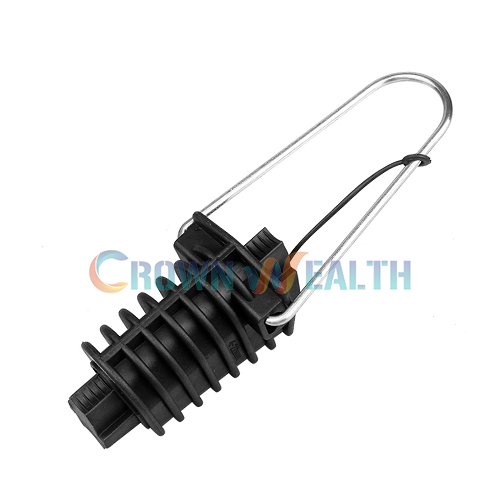
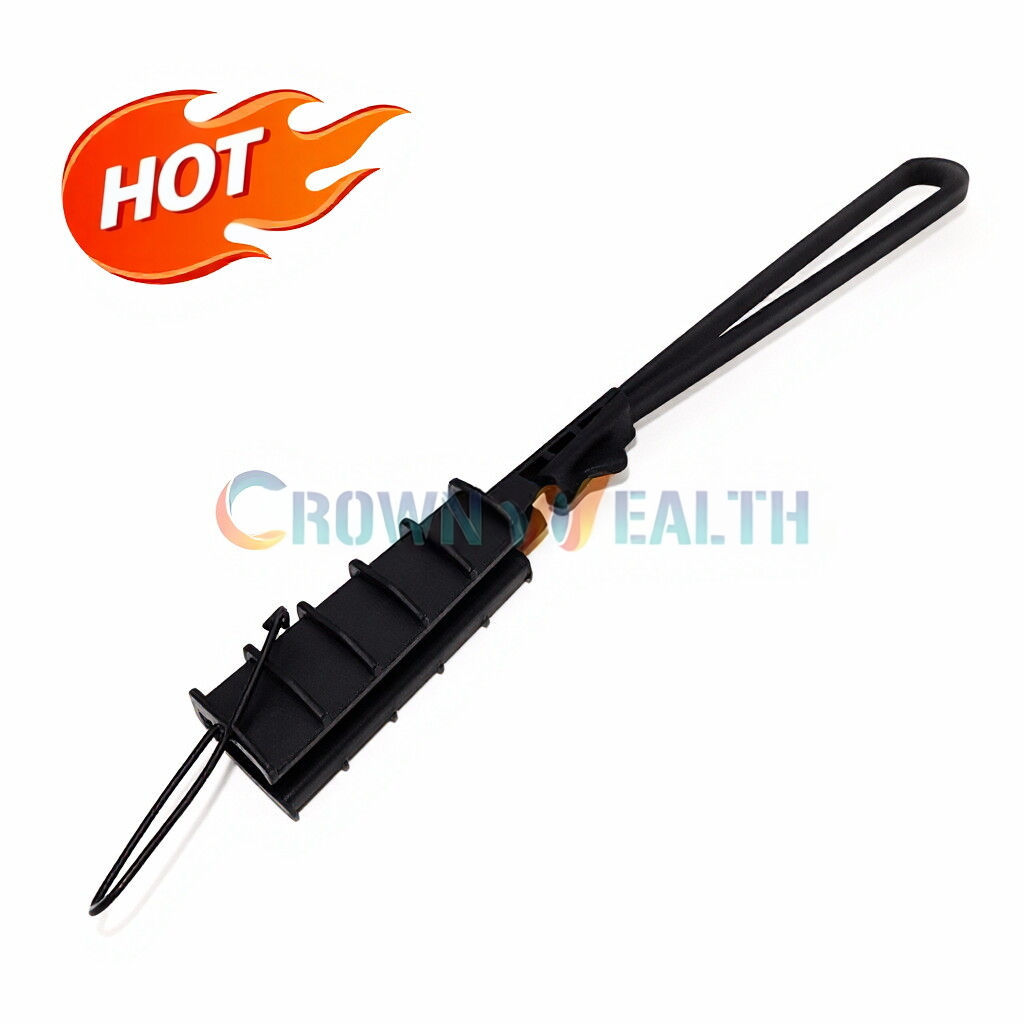
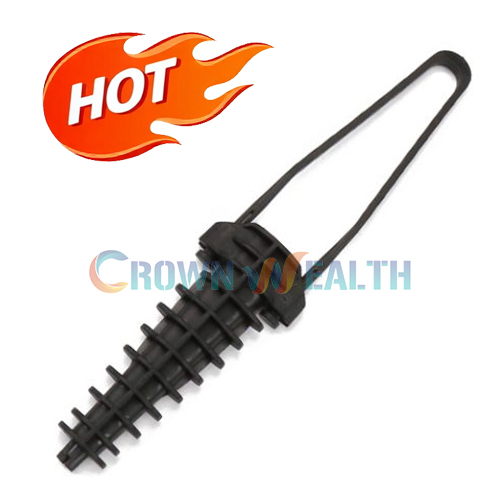
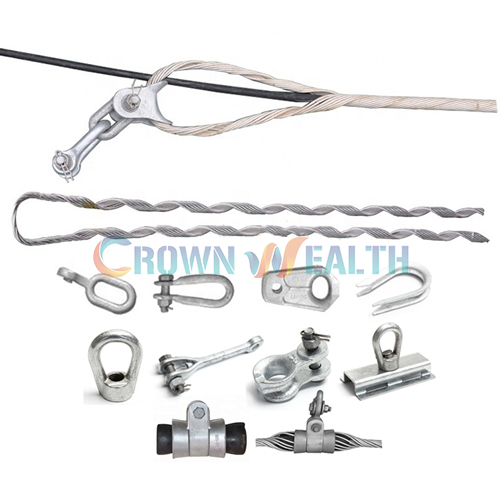
In addition to Spiral Vibration Dampers, we also supply other overhead line accessories that can enhance the performance and reliability of power transmission systems. For example, Overhead Line Accessories Preformed Dead End Clamp Guy Grip for Cable is used to terminate the conductor at the end of the line or at a tower. It provides a secure and reliable connection, preventing the conductor from slipping or coming loose.
Preformed Armor Rods are another important accessory. They are used to protect the conductor from abrasion and mechanical damage. The preformed design allows for easy installation and ensures a perfect fit around the conductor.
Conclusion and Call to Action
Understanding the energy - dissipation mechanism of a Spiral Vibration Damper is crucial for effectively controlling vibrations in overhead power lines. Through frictional energy dissipation, inertial energy dissipation, and structural damping, Spiral Vibration Dampers can significantly reduce the vibrational energy in the conductor, protecting the power line infrastructure from damage.
If you are in the market for high - quality Spiral Vibration Dampers or other overhead line accessories, we are here to help. Our products are designed and manufactured to meet the highest industry standards, providing reliable and cost - effective solutions for your power transmission needs. Contact us today to start a procurement discussion and find the best products for your specific requirements.
References
- E. O. Thumann, "Aeolian Vibration of Overhead Transmission Lines," IEEE Transactions on Power Apparatus and Systems, vol. PAS - 86, no. 11, pp. 1223 - 1232, 1967.
- R. H. Lyon, "Mechanical Vibrations and Shock Handbook," Butterworth - Heinemann, 1995.
- CIGRE Brochure 222, "Vibration Damping of Overhead Lines," CIGRE, 2003.