Fastening fixtures play a crucial role in various industries, ensuring that different components are securely held together. As a leading fastening fixture supplier, I have witnessed firsthand how these fixtures interact with different materials. In this blog post, I will delve into the intricate relationship between fastening fixtures and various materials, exploring the factors that influence their interaction and the best practices for achieving optimal performance.
Understanding the Basics of Fastening Fixtures
Fastening fixtures are devices used to join or secure two or more objects together. They come in a wide variety of shapes, sizes, and materials, each designed to meet specific application requirements. Some common types of fastening fixtures include bolts, nuts, screws, clips, clamps, and rivets. These fixtures can be used in a range of industries, including construction, automotive, aerospace, electronics, and manufacturing.


The interaction between fastening fixtures and materials is a complex process that depends on several factors, including the type of material, the design of the fixture, the installation method, and the environmental conditions. Understanding these factors is essential for selecting the right fastening fixture for a particular application and ensuring its long-term performance.
Interaction with Metals
Metals are one of the most commonly used materials in various industries, and fastening fixtures are often used to join metal components together. The interaction between fastening fixtures and metals can be influenced by several factors, such as the type of metal, its hardness, and its corrosion resistance.
Steel
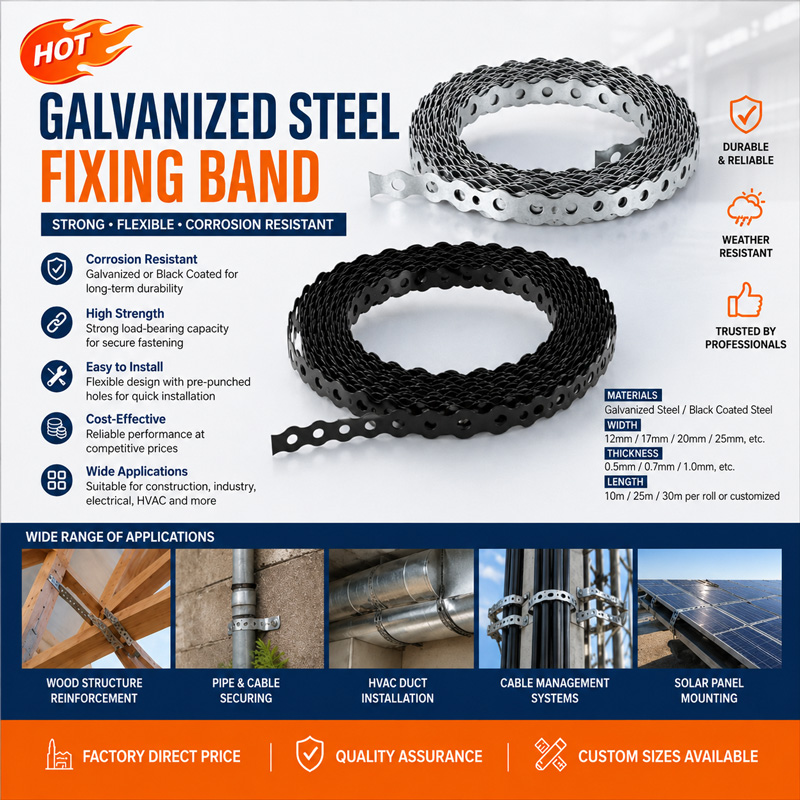
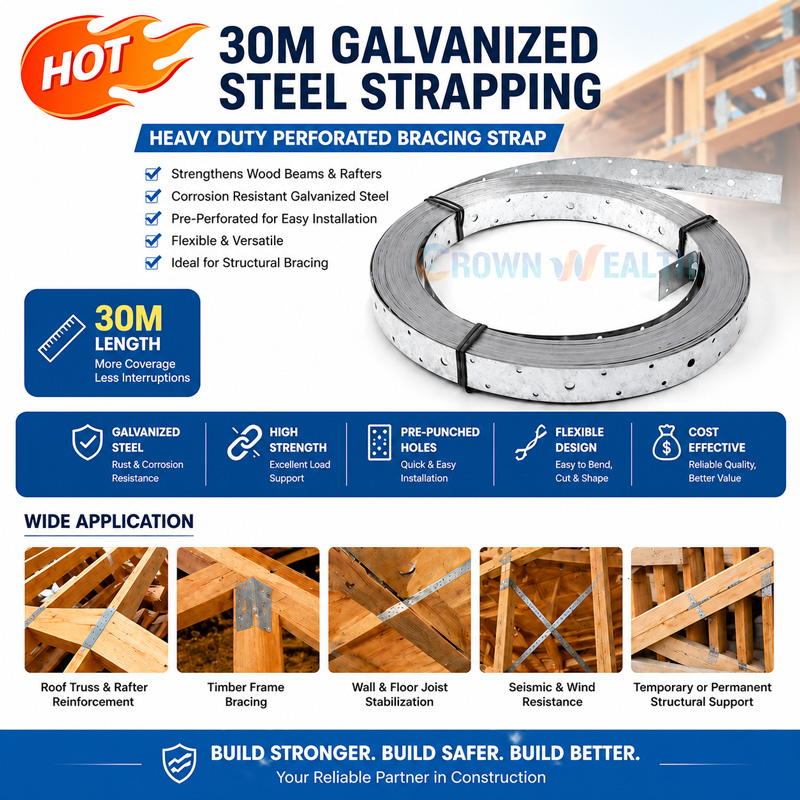
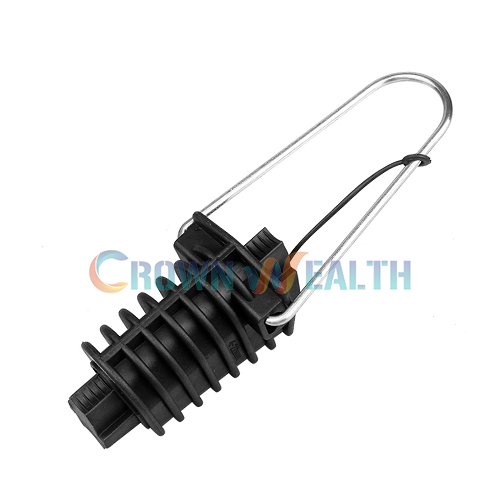
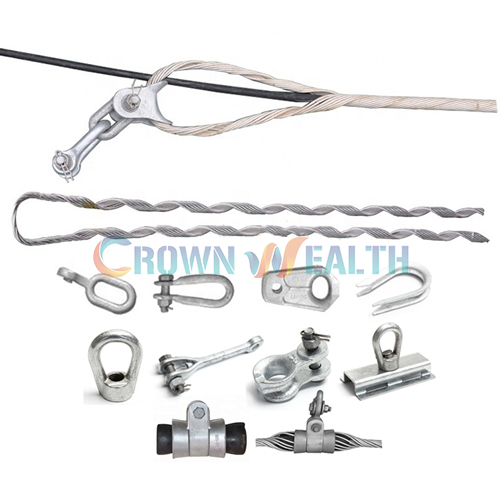
Steel is a widely used metal due to its high strength, durability, and versatility. When using fastening fixtures with steel, it is important to consider the grade of steel and its hardness. For example, high-strength steel may require stronger and more robust fastening fixtures to ensure a secure connection. Additionally, steel is prone to corrosion, especially in harsh environments. To prevent corrosion, fastening fixtures made of stainless steel or coated with anti-corrosion materials, such as Hot Dip Galvanized Strain Clamp, are often used.
Aluminum
Aluminum is a lightweight and corrosion-resistant metal that is commonly used in the automotive, aerospace, and construction industries. When fastening aluminum components, it is important to use fixtures that are compatible with aluminum to prevent galvanic corrosion. Galvanic corrosion occurs when two different metals are in contact with each other in the presence of an electrolyte, such as moisture. To avoid this, fastening fixtures made of aluminum or coated with a non-conductive material can be used.
Interaction with Plastics
Plastics are another widely used material in various industries, offering advantages such as lightweight, low cost, and ease of processing. However, the interaction between fastening fixtures and plastics can be more challenging compared to metals due to the different mechanical properties of plastics.
Thermoplastics
Thermoplastics are a type of plastic that can be melted and reshaped multiple times. When fastening thermoplastics, it is important to consider the melting point and the flow characteristics of the plastic. Using excessive force during installation can cause the plastic to deform or melt, leading to a weak connection. Additionally, thermoplastics are prone to creep, which is the gradual deformation of a material under a constant load over time. To prevent creep, fastening fixtures with a proper design and installation method should be used.
Thermosetting Plastics
Thermosetting plastics are a type of plastic that hardens irreversibly when heated. Unlike thermoplastics, thermosetting plastics cannot be melted and reshaped. When fastening thermosetting plastics, it is important to use fixtures that do not require excessive heat or force during installation. Additionally, thermosetting plastics are generally more brittle than thermoplastics, so care should be taken to avoid cracking or breaking the plastic during installation.
Interaction with Composites
Composites are materials made by combining two or more different materials to create a new material with improved properties. Composites are widely used in the aerospace, automotive, and sports industries due to their high strength-to-weight ratio and excellent mechanical properties.
Fiber-Reinforced Composites
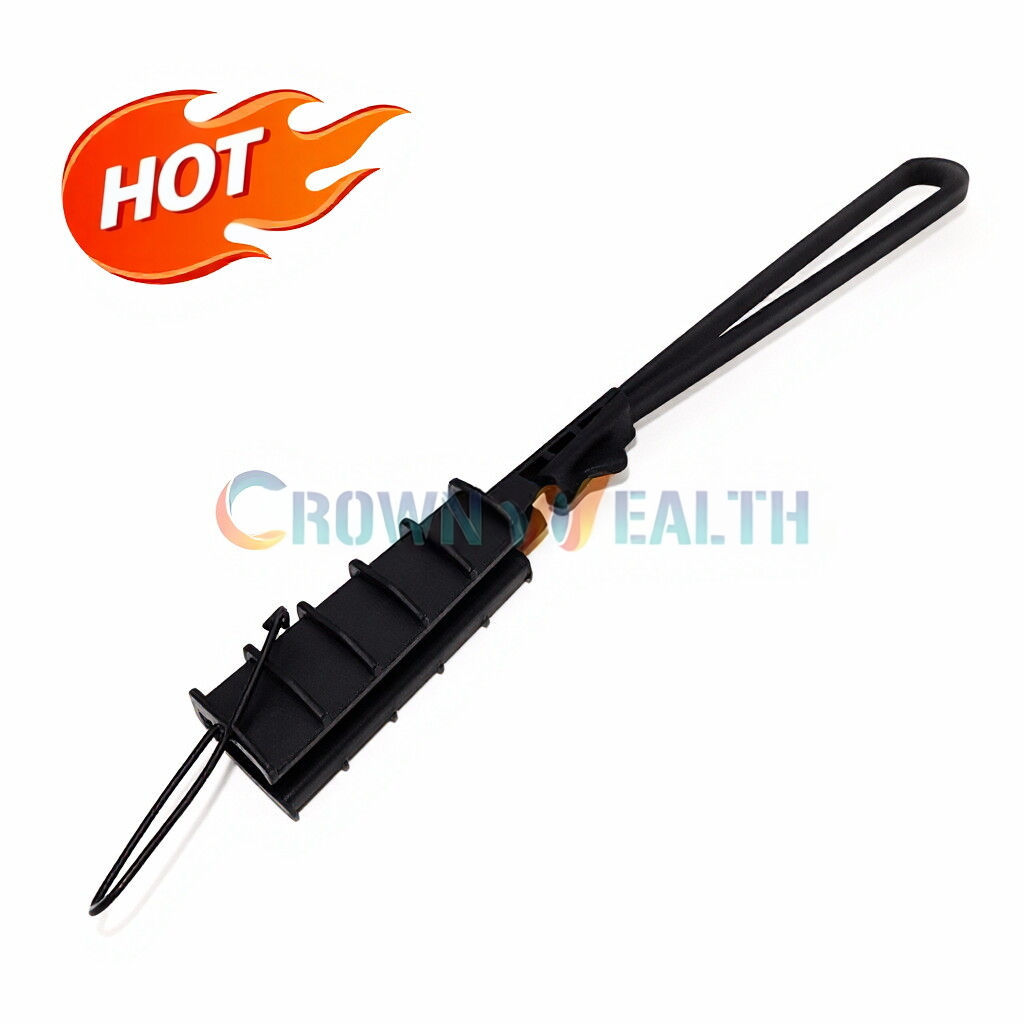
Fiber-reinforced composites are a type of composite material that consists of a matrix material, such as resin, and reinforcing fibers, such as carbon fiber or glass fiber. When fastening fiber-reinforced composites, it is important to consider the orientation and distribution of the fibers. Drilling holes or using mechanical fasteners can damage the fibers, reducing the strength of the composite. To minimize damage, alternative fastening methods, such as adhesive bonding or the use of Preformed Tension Clamp, can be used.
Environmental Factors
In addition to the type of material, the environmental conditions can also have a significant impact on the interaction between fastening fixtures and materials. Factors such as temperature, humidity, and exposure to chemicals can affect the performance and durability of the fastening fixtures.
Temperature
Extreme temperatures can cause the materials to expand or contract, which can affect the fit and performance of the fastening fixtures. For example, in high-temperature environments, the metal components may expand, leading to a loose connection. On the other hand, in low-temperature environments, the materials may become more brittle, increasing the risk of cracking or breaking. To ensure the performance of fastening fixtures in different temperature conditions, it is important to select fixtures that are designed to withstand the expected temperature range.
Humidity
Humidity can cause corrosion and rusting of metal fastening fixtures, especially in the presence of oxygen. To prevent corrosion, fastening fixtures made of corrosion-resistant materials or coated with anti-corrosion coatings should be used. Additionally, proper sealing and protection can be applied to prevent moisture from reaching the fastening fixtures.
Chemical Exposure
Exposure to chemicals can also affect the performance of fastening fixtures. Some chemicals can react with the materials of the fixtures, causing corrosion, degradation, or embrittlement. When using fastening fixtures in chemical environments, it is important to select fixtures that are resistant to the specific chemicals present.
Best Practices for Fastening Fixture Selection and Installation
To ensure the optimal performance of fastening fixtures when interacting with different materials, the following best practices should be followed:
- Understand the Material Properties: Before selecting a fastening fixture, it is important to understand the mechanical properties, chemical composition, and environmental requirements of the materials being joined.
- Choose the Right Fixture: Select a fastening fixture that is compatible with the materials being joined and suitable for the application. Consider factors such as the load capacity, corrosion resistance, and installation method.
- Proper Installation: Follow the manufacturer's instructions for installation to ensure that the fastening fixture is installed correctly. Use the appropriate tools and techniques to avoid over-tightening or under-tightening the fixture.
- Regular Inspection and Maintenance: Regularly inspect the fastening fixtures for signs of wear, damage, or corrosion. Replace any damaged or worn fixtures promptly to prevent failure.
Conclusion
The interaction between fastening fixtures and different materials is a complex process that requires careful consideration of various factors. As a fastening fixture supplier, I understand the importance of selecting the right fixture for a particular application and ensuring its proper installation and maintenance. By understanding the material properties, environmental conditions, and best practices for fastening fixture selection and installation, we can provide our customers with high-quality fastening solutions that meet their specific needs.
If you are looking for reliable fastening fixtures for your project, we invite you to contact us for more information and to discuss your requirements. Our team of experts is ready to assist you in selecting the right fastening fixtures and ensuring their optimal performance.
References
- Callister, W. D., & Rethwisch, D. G. (2011). Materials Science and Engineering: An Introduction. Wiley.
- Shigley, J. E., Mischke, C. R., & Budynas, R. G. (2004). Mechanical Engineering Design. McGraw-Hill.
- ASM Handbook Committee. (2004). ASM Handbook, Volume 11: Failure Analysis and Prevention. ASM International.