Selecting the appropriate OPGW (Optical Power Ground Wire) fitting is a crucial decision that can significantly impact the performance, safety, and longevity of your power grid and communication systems. As a trusted OPGW fitting supplier, I understand the complexities involved in this process and am here to guide you through the key considerations to ensure you make the right choice.
Understanding OPGW and Its Fittings
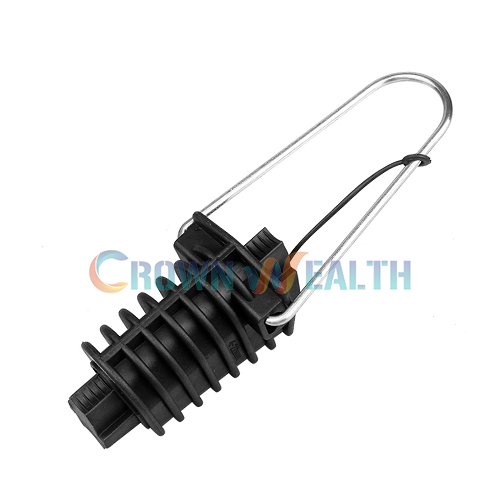
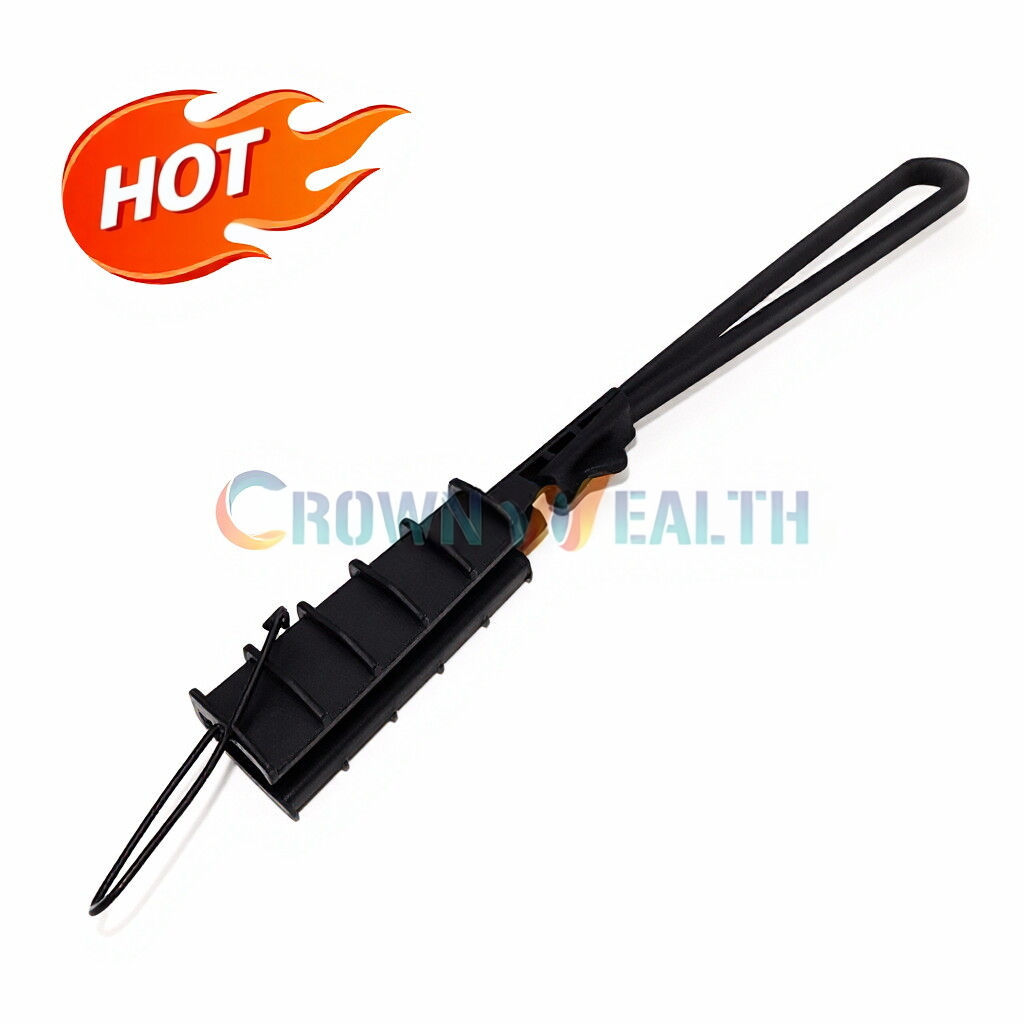
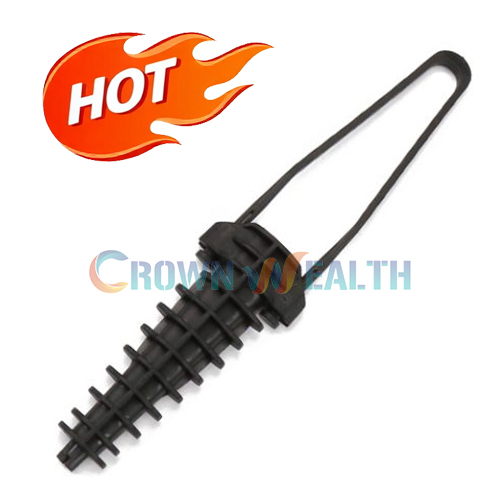
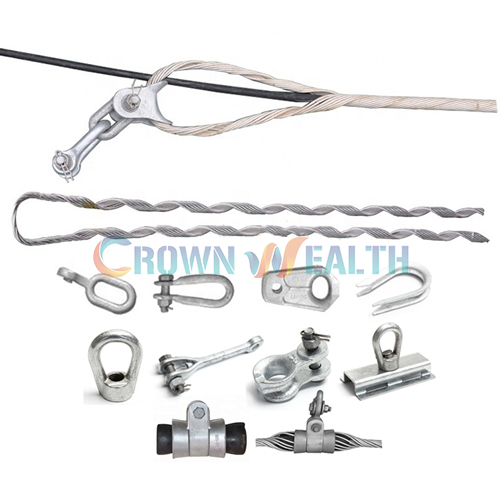
OPGW is a specialized cable that combines the functions of a traditional ground wire and an optical fiber cable. It is widely used in power transmission lines to provide both electrical grounding and high - speed communication capabilities. OPGW fittings, on the other hand, are essential components that are used to install, support, and secure the OPGW cable in place. These fittings include tension clamps, suspension clamps, strain clamps, and more, each serving a specific purpose in the overall installation.
Key Factors to Consider When Choosing OPGW Fittings
Cable Compatibility
The first and most fundamental factor to consider is the compatibility of the fitting with your OPGW cable. Different OPGW cables have varying diameters, strengths, and construction materials. The fitting must be designed to match the specific characteristics of your cable. For example, if your OPGW cable has a larger diameter, you need a fitting with a wider clamping range. Using an incompatible fitting can lead to improper installation, reduced performance, and even cable damage over time.
Mechanical Strength
OPGW fittings need to withstand various mechanical stresses, such as tension, wind, ice loading, and vibration. The mechanical strength of the fitting should be sufficient to handle these forces without failure. When evaluating the mechanical strength, consider the maximum tension that the fitting can withstand under normal and extreme conditions. High - quality fittings are typically made from materials like high - strength steel or aluminum alloy, which offer excellent mechanical properties and durability.
Electrical Performance
Since OPGW is part of the power grid, the electrical performance of the fittings is also critical. The fittings should have low electrical resistance to ensure efficient grounding and minimize power losses. Additionally, they should be able to withstand electrical surges and faults without causing any damage to the cable or the surrounding equipment. Some fittings are designed with special coatings or materials to enhance their electrical conductivity and corrosion resistance.
Environmental Conditions
The environment in which the OPGW cable is installed plays a significant role in the selection of fittings. If the installation site is in a coastal area, the fittings need to be resistant to saltwater corrosion. In areas with extreme temperatures, such as deserts or cold regions, the fittings should be able to maintain their performance in a wide temperature range. UV resistance is also important for outdoor installations to prevent degradation of the fitting materials over time.
Installation and Maintenance
Ease of installation and maintenance is another important consideration. Fittings that are easy to install can save time and labor costs during the initial installation process. They should also be designed for easy inspection and maintenance. For example, some fittings are designed with a modular structure, which allows for quick replacement of damaged parts without having to remove the entire fitting.
Types of OPGW Fittings and Their Applications
OPGW Preformed Tension Clamp
The OPGW Preformed Tension Clamp is used to provide a secure grip on the OPGW cable at the end of a span or at a dead - end tower. It is designed to transfer the tension from the cable to the supporting structure. These clamps are pre - formed to fit the shape of the cable, which ensures a uniform distribution of stress along the cable surface. They are easy to install and offer excellent tension - holding capabilities.
OPGW Performed Suspension Clamp
The OPGW Performed Suspension Clamp is used to support the OPGW cable at intermediate towers. It allows the cable to hang freely while providing sufficient support to prevent excessive sagging. These clamps are designed to withstand vertical and horizontal loads and are typically made from materials that are resistant to corrosion and wear.
OPGW Strain Clamp
The OPGW Strain Clamp is similar to the tension clamp but is used in situations where the cable needs to be supported under high - strain conditions. It is commonly used at angle towers or where there is a significant change in the direction of the cable. Strain clamps are designed to provide a high level of grip and can withstand large amounts of tension.


Quality Assurance and Certification
When choosing OPGW fittings, it is important to ensure that they meet relevant industry standards and certifications. Look for fittings that are certified to international standards such as IEEE, IEC, or national standards in your country. These certifications are a guarantee that the fittings have been tested and meet the required quality and performance criteria. Working with a supplier who can provide detailed test reports and quality certificates is essential for ensuring the reliability of your OPGW installation.
Cost - Effectiveness
While quality is paramount, cost - effectiveness is also a consideration. Compare the prices of different fittings from various suppliers, but do not compromise on quality for the sake of saving a few dollars. Consider the long - term costs, including installation, maintenance, and replacement. A high - quality fitting may have a higher upfront cost but can save you money in the long run by reducing the need for frequent repairs and replacements.
Conclusion
Choosing the right OPGW fitting is a multi - faceted decision that requires careful consideration of various factors. As an OPGW fitting supplier, I am committed to providing you with high - quality, reliable fittings that meet your specific needs. Whether you are a power utility company, a telecommunications provider, or an engineering firm, I can help you select the most suitable fittings for your OPGW installation.
If you are interested in learning more about our OPGW fittings or would like to discuss your specific requirements, please feel free to contact us for a detailed consultation. We are here to assist you in making the best choice for your project.
References
- IEEE Standards Association. (Year). IEEE standards related to OPGW and fittings.
- International Electrotechnical Commission (IEC). (Year). IEC standards for OPGW and associated components.
- Industry research reports on OPGW and fitting technologies.