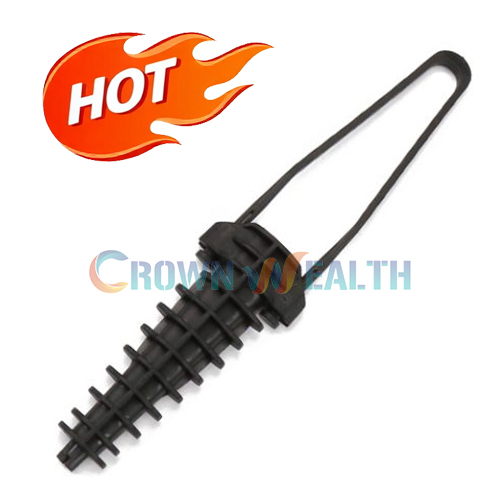
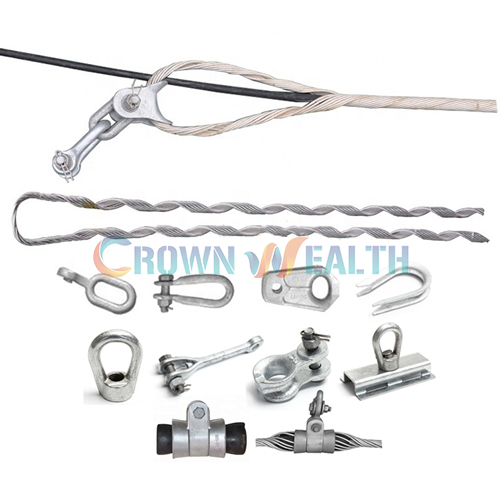
When it comes to the installation and maintenance of All-Dielectric Self-Supporting (ADSS) fiber optic cables, one crucial component that often goes under the radar is the ADSS Fastening Clamp. As a seasoned supplier of ADSS Fastening Clamps, I've encountered numerous inquiries about their weight. In this blog post, I'll delve into the factors that influence the weight of ADSS Fastening Clamps, why it matters, and how you can make an informed decision when selecting the right clamp for your project.
Understanding ADSS Fastening Clamps
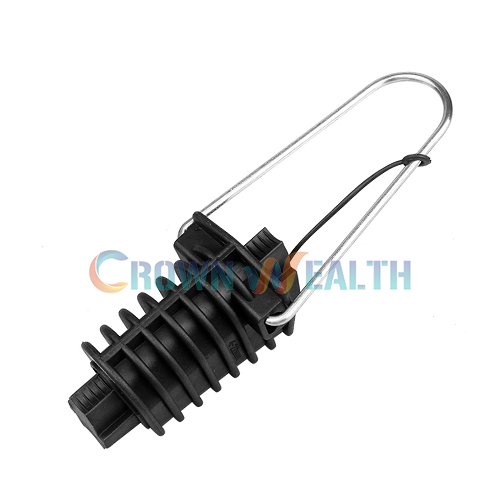
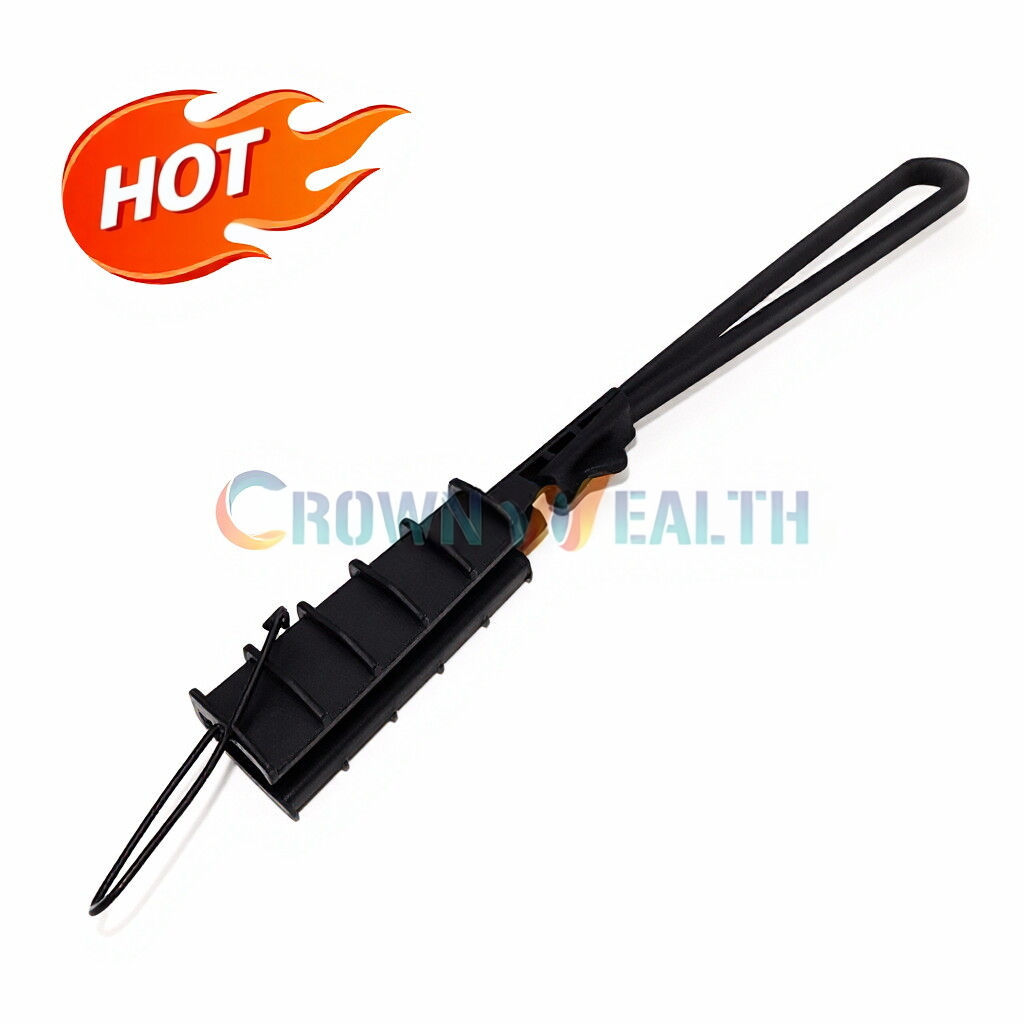
Before we dive into the weight aspect, let's briefly understand what ADSS Fastening Clamps are. These clamps are specifically designed to secure ADSS fiber optic cables to poles, towers, or other supporting structures. They play a vital role in ensuring the stability and longevity of the cable installation, protecting it from environmental factors such as wind, ice, and vibration.
There are different types of ADSS Fastening Clamps available in the market, each with its own unique features and applications. For instance, the Preformed Tension Clamp is commonly used to provide high tensile strength and is suitable for long-span installations. On the other hand, the ADSS Fastening Clamp is a general-purpose clamp that offers reliable cable support in various scenarios. The Double Suspension Clamp is designed to support two cables simultaneously, making it ideal for installations where multiple cables need to be secured.
Factors Affecting the Weight of ADSS Fastening Clamps
The weight of an ADSS Fastening Clamp is influenced by several factors, including the following:
Material
The material used in the construction of the clamp is one of the primary factors that determine its weight. Common materials for ADSS Fastening Clamps include aluminum alloy, stainless steel, and composite materials. Aluminum alloy clamps are lightweight and corrosion-resistant, making them a popular choice for many applications. Stainless steel clamps, on the other hand, are heavier but offer superior strength and durability, especially in harsh environments. Composite materials, such as fiberglass-reinforced plastics, provide a good balance between weight and strength and are often used in applications where weight reduction is a priority.
Size and Design
The size and design of the clamp also play a significant role in determining its weight. Larger clamps are generally heavier than smaller ones, as they require more material for construction. Additionally, the design of the clamp can affect its weight. For example, clamps with complex shapes or additional features may be heavier than simple, straightforward designs.
Load Capacity
The load capacity of the clamp is another important factor to consider. Clamps with higher load capacities are typically heavier, as they need to be able to withstand greater forces. When selecting a clamp, it's essential to choose one that can handle the specific load requirements of your installation.
Why Does the Weight of ADSS Fastening Clamps Matter?
The weight of ADSS Fastening Clamps may seem like a minor detail, but it can have a significant impact on the overall performance and cost of your installation. Here are some reasons why the weight of the clamps matters:
Installation Ease
Lighter clamps are generally easier to install, as they require less effort to handle and position. This can save time and labor costs during the installation process, especially in large-scale projects.
Structural Integrity
The weight of the clamps can also affect the structural integrity of the supporting structure. Heavy clamps may put additional stress on poles or towers, especially in areas with high wind or ice loads. It's important to ensure that the supporting structure is capable of handling the weight of the clamps and the cables they support.
Transportation and Handling
The weight of the clamps can also impact transportation and handling costs. Heavier clamps may require more expensive shipping methods and may be more difficult to handle during storage and installation.
Choosing the Right ADSS Fastening Clamps Based on Weight
When selecting ADSS Fastening Clamps, it's important to consider the weight of the clamps in relation to your specific project requirements. Here are some tips to help you choose the right clamps:
Evaluate Your Load Requirements
Determine the maximum load that the clamps will need to support, including the weight of the cable, wind and ice loads, and any other external forces. Choose clamps with a load capacity that exceeds your requirements to ensure safe and reliable operation.


Consider the Installation Environment
Take into account the environmental conditions at the installation site, such as wind, ice, and temperature. In areas with high wind or ice loads, heavier clamps may be necessary to provide additional stability. However, in areas with limited structural support, lighter clamps may be a better choice.
Balance Weight and Performance
While lighter clamps may offer installation and cost advantages, it's important not to sacrifice performance for weight. Choose clamps that provide the necessary strength and durability for your application, even if they are slightly heavier.
Conclusion
The weight of ADSS Fastening Clamps is an important factor to consider when planning an ADSS fiber optic cable installation. By understanding the factors that influence the weight of the clamps and how it can impact your project, you can make an informed decision and choose the right clamps for your needs.
As a trusted supplier of ADSS Fastening Clamps, we offer a wide range of high-quality products to meet the diverse needs of our customers. Our clamps are designed and manufactured to the highest standards, ensuring reliable performance and long-term durability. If you're interested in learning more about our ADSS Fastening Clamps or have any questions about weight or other specifications, please don't hesitate to contact us. We're here to help you find the perfect solution for your project and look forward to discussing your procurement needs.
References
- Industry standards and guidelines for ADSS cable installation and clamping systems.
- Manufacturer's specifications and technical documentation for ADSS Fastening Clamps.
- Engineering studies and research on the performance of ADSS cables and associated hardware.