As a leading OPGW cable storage supplier, I often encounter questions from clients regarding the proper storage methods of OPGW (Optical Ground Wire) cables. One of the most frequently asked questions is whether OPGW cable can be stored horizontally. In this blog post, I will delve into this topic, exploring the factors involved and providing a comprehensive answer based on scientific and practical considerations.
Understanding OPGW Cables
Before discussing the storage issue, it's essential to understand what OPGW cables are. OPGW cables are a special type of cable used in power transmission lines. They combine the functions of a ground wire and an optical fiber communication cable. The outer layer of the OPGW cable is made of metal, which provides mechanical strength and grounding function, while the inner optical fibers are used for data transmission, such as monitoring power grid status and communication between substations.
The Case for Horizontal Storage
Space Efficiency
One of the main advantages of horizontal storage is space efficiency. In many storage facilities, space is a precious resource. Storing OPGW cables horizontally allows for more cables to be stored in a given area compared to vertical storage. This is particularly beneficial for large - scale storage operations where a large number of cables need to be stored.
Ease of Handling
Horizontal storage also makes it easier to handle the cables. When cables are stored horizontally, they can be easily accessed from the side. This simplifies the process of loading and unloading the cables, reducing the time and effort required for these operations. Workers can use forklifts or other handling equipment more conveniently to move the cables in and out of storage.


Reduced Risk of Damage from Top - Heavy Loads
When OPGW cables are stored vertically, there is a risk of damage if the cable reels are not properly balanced. A top - heavy load on a vertical reel can cause the reel to tip over, leading to damage to the cables. Horizontal storage eliminates this risk as the weight of the cable is evenly distributed across the storage surface.
The Concerns with Horizontal Storage
Potential for Deformation
One of the main concerns with horizontal storage is the potential for cable deformation. OPGW cables are often wound on reels, and when stored horizontally for an extended period, the weight of the cable on the lower part of the reel can cause the cable to deform. This deformation can affect the performance of the optical fibers inside the cable, leading to signal loss or other communication problems.
Moisture and Corrosion
Another issue is the risk of moisture accumulation. When cables are stored horizontally, water or moisture may collect in the lower part of the reel. This can lead to corrosion of the metal components of the OPGW cable, such as the outer layer and the armor. Corrosion can weaken the cable's mechanical strength and also damage the optical fibers over time.
Bending Stress
Horizontal storage can also subject the cable to bending stress. The curvature of the cable on the reel may cause additional stress on the optical fibers, especially if the cable is not wound tightly enough. This bending stress can increase the attenuation of the optical signals, reducing the quality of data transmission.
Mitigating the Risks of Horizontal Storage
Proper Reel Design
To address the issue of deformation, proper reel design is crucial. Reels should be designed to distribute the weight of the cable evenly. For example, using reels with a wider base can help reduce the pressure on the lower part of the cable. Additionally, the reel material should be strong enough to support the weight of the cable without deforming itself.
Moisture Protection
To prevent moisture and corrosion, proper moisture protection measures should be taken. This can include storing the cables in a dry environment, using moisture - resistant packaging, and applying anti - corrosion coatings to the cable. Regular inspections should also be carried out to detect any signs of moisture or corrosion early.
Tension Control
To reduce bending stress, it's important to control the tension of the cable during winding and storage. Ensuring that the cable is wound tightly and evenly on the reel can minimize the bending stress on the optical fibers. Specialized equipment can be used to measure and adjust the tension during the winding process.
The Role of Accessories in OPGW Cable Storage
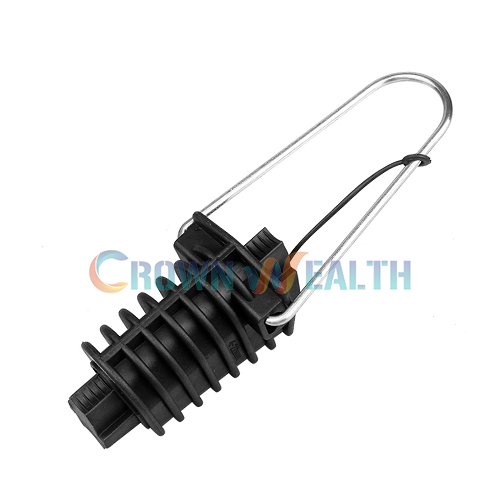
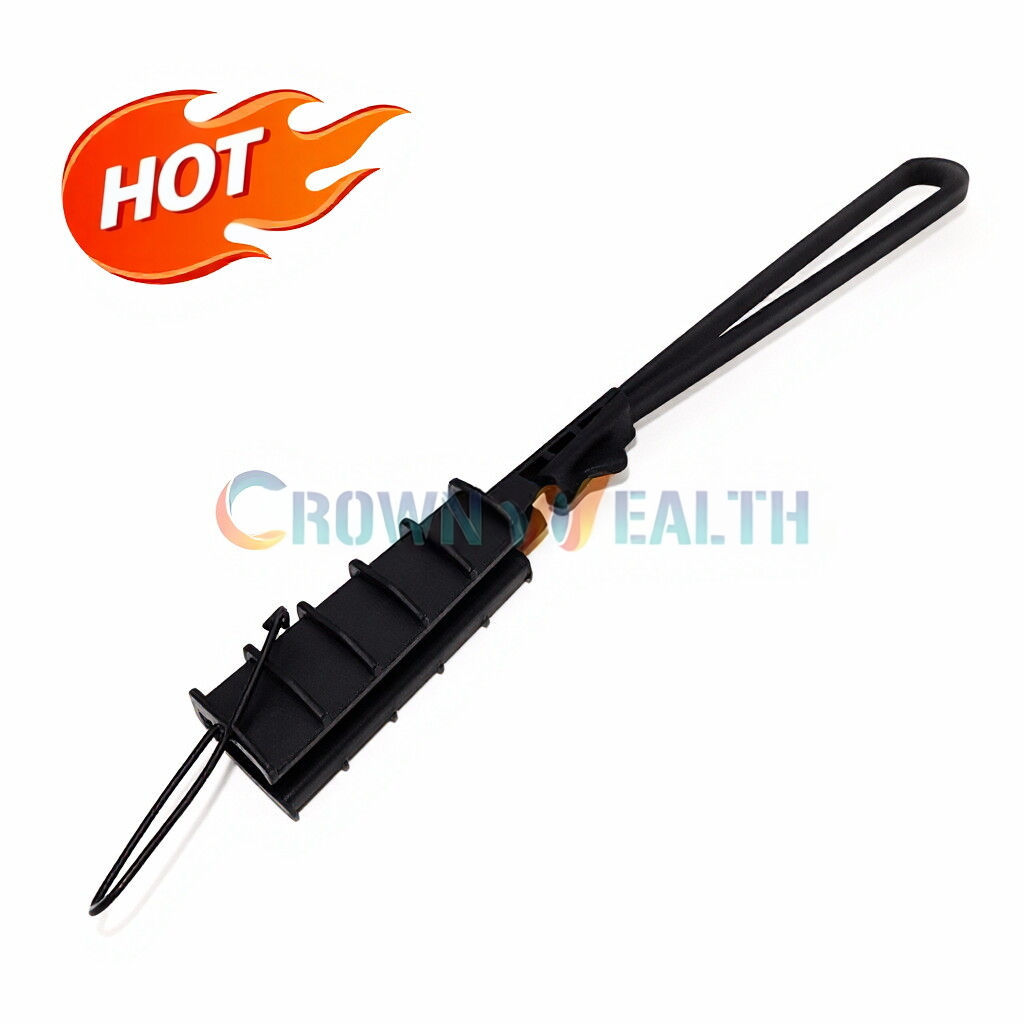
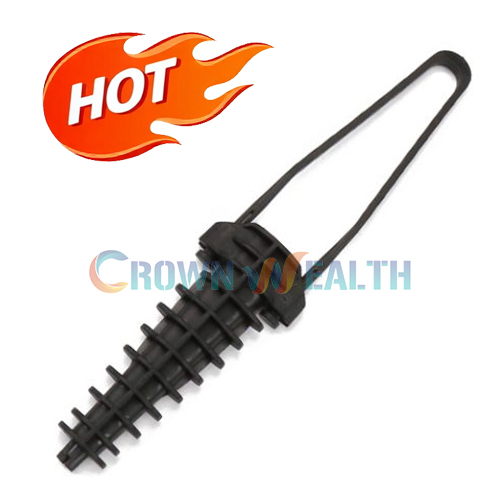
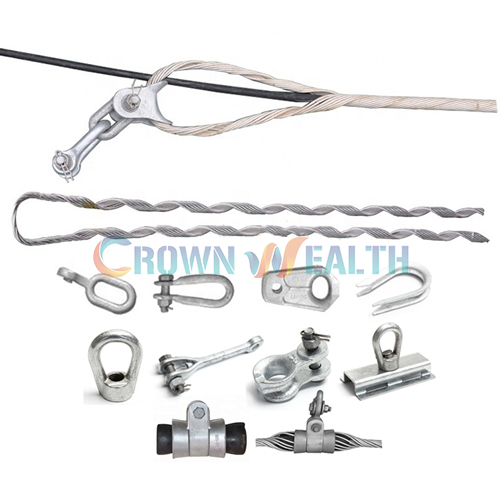
When considering OPGW cable storage, it's also important to think about the associated accessories. Accessories such as OPGW Strain Clamp, OPGW Performed Suspension Clamp, and Double Suspension Clamp for OPGW play a vital role in the proper installation and storage of OPGW cables. These clamps help to secure the cables in place, reducing the risk of movement and damage during storage and transportation.
Conclusion
In conclusion, OPGW cables can be stored horizontally, but it comes with both advantages and challenges. The space efficiency and ease of handling make horizontal storage an attractive option, but the potential for deformation, moisture accumulation, and bending stress need to be carefully managed. By implementing proper storage techniques, such as using well - designed reels, providing moisture protection, and controlling cable tension, the risks associated with horizontal storage can be effectively mitigated.
As a professional OPGW cable storage supplier, we have the expertise and experience to provide you with the best storage solutions for your OPGW cables. Whether you choose horizontal or vertical storage, we can offer you high - quality storage facilities and accessories to ensure the safety and integrity of your cables.
If you are interested in our OPGW cable storage services or have any questions about OPGW cable storage, please feel free to contact us. We are ready to discuss your specific needs and provide you with customized solutions.
References
- "Optical Ground Wire (OPGW) Design and Installation Guidelines" by industry experts in the power and communication cable field.
- Research papers on cable storage and handling published in relevant engineering and storage technology journals.