Hey there! As a supplier of Aluminum Joint Boxes, I often get asked a ton of questions about where and how our products can be used. One question that pops up quite a bit is, "Can an aluminum joint box be used for elevator wiring?" Well, let's dig into this topic and find out.


First off, let's talk a bit about what an aluminum joint box is. It's basically a container made of aluminum that's used to house electrical connections. Aluminum is a popular choice for these boxes because it's lightweight, corrosion - resistant, and has good electrical conductivity. These properties make it suitable for a wide range of applications.
Now, when it comes to elevator wiring, there are some specific requirements that need to be met. Elevators are complex systems that rely on a bunch of electrical components working together seamlessly. The wiring in an elevator needs to be protected from various factors such as mechanical damage, moisture, and electromagnetic interference.
One of the big advantages of using an aluminum joint box for elevator wiring is its durability. Aluminum is tough and can withstand a fair amount of physical stress. In an elevator shaft, there's a lot going on. There are moving parts, vibrations, and the potential for objects to come into contact with the wiring. An aluminum joint box can act as a shield, protecting the electrical connections inside from being damaged.
Another plus is the corrosion resistance. Elevator shafts can sometimes be damp, especially in buildings with poor ventilation or in areas with high humidity. Moisture can cause rust and corrosion on metal components, which can lead to electrical problems over time. Since aluminum is resistant to corrosion, it helps to ensure the long - term reliability of the elevator wiring.
Electromagnetic interference (EMI) is also a concern in elevator systems. The various electrical components in an elevator can generate electromagnetic fields that might interfere with the proper functioning of the wiring. Aluminum has good shielding properties against EMI. By using an aluminum joint box, we can reduce the impact of these electromagnetic fields on the electrical connections, which is crucial for the smooth operation of the elevator.
But it's not all sunshine and rainbows. There are also some considerations to keep in mind. For example, the temperature inside an elevator shaft can vary quite a bit. In some cases, it can get pretty hot, especially if the elevator machinery generates a lot of heat. Aluminum has a relatively high thermal conductivity, which means it can transfer heat quickly. While this can be an advantage in some situations, it also means that the temperature inside the joint box might be affected by the external temperature. If the temperature gets too high, it could potentially damage the electrical connections inside.
Another thing to think about is the installation process. Elevator wiring is a specialized job, and the installation of the joint box needs to be done correctly. It has to be properly grounded to ensure safety. Also, the size and shape of the joint box need to be appropriate for the amount of wiring and the space available in the elevator shaft.
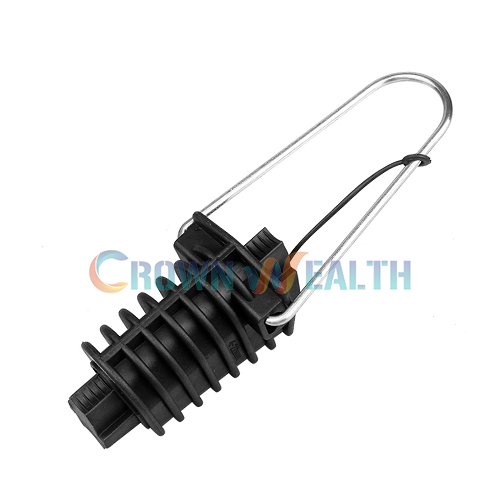
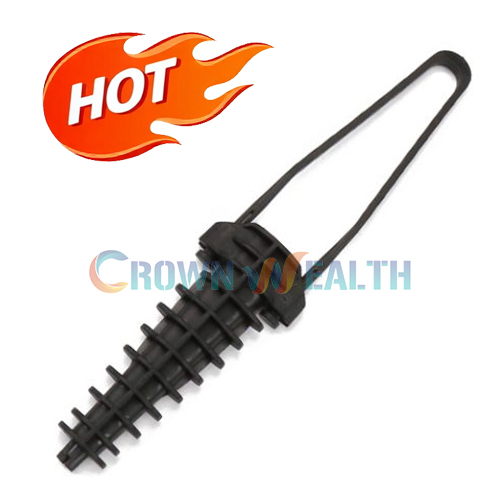
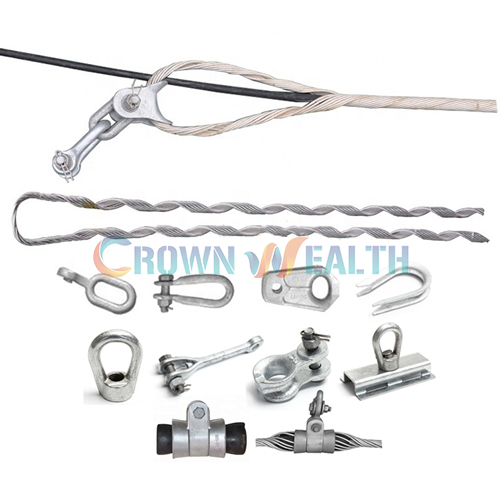
Now, let's take a look at some related products that might be useful in elevator wiring setups. You might be interested in checking out Double Suspension Clamp for OPGW. These clamps are great for securing cables and can work in conjunction with the aluminum joint box to keep the wiring organized and in place.
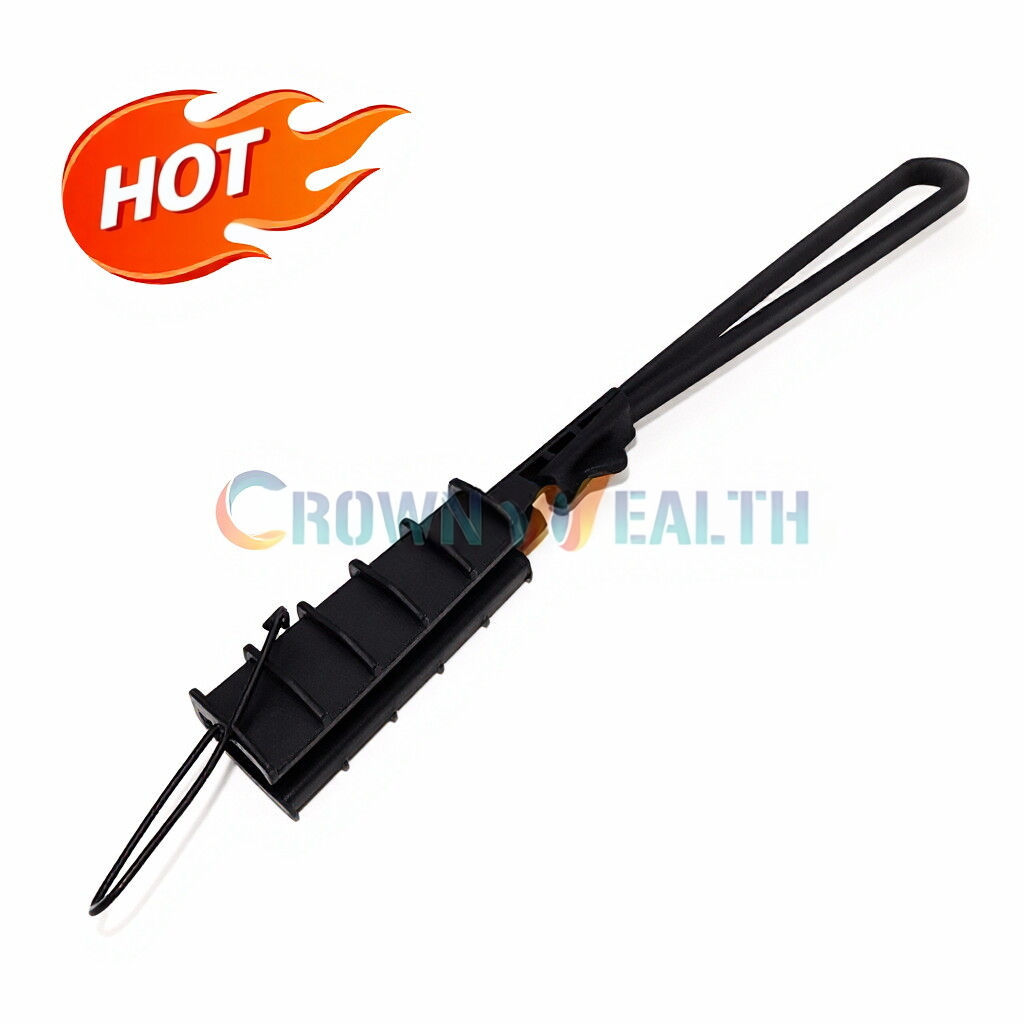
Preformed Double Suspension is another option. It provides a reliable way to support and suspend cables, which is important in an elevator environment where the cables need to be stable.
And then there's the Cable Storage Assembly. This can be used to neatly store excess cable, which is often necessary in elevator wiring installations to avoid clutter and potential hazards.
So, can an aluminum joint box be used for elevator wiring? The answer is yes, it can. But it's important to carefully consider the specific requirements of the elevator system, the environmental conditions, and the installation process. As a supplier, I'm always here to help you make the right choice for your project. If you're in the market for an aluminum joint box or any of the related products I mentioned, don't hesitate to reach out. We can have a chat about your needs and see how we can work together to ensure a successful elevator wiring installation.
In conclusion, aluminum joint boxes offer a lot of benefits for elevator wiring, but like any product, they need to be used correctly. If you have any questions or want to discuss your project in more detail, feel free to get in touch. We're eager to assist you with your procurement and make sure you get the best solution for your elevator wiring needs.
References:
- General knowledge of electrical engineering and elevator systems
- Industry standards and guidelines for elevator wiring and electrical enclosures