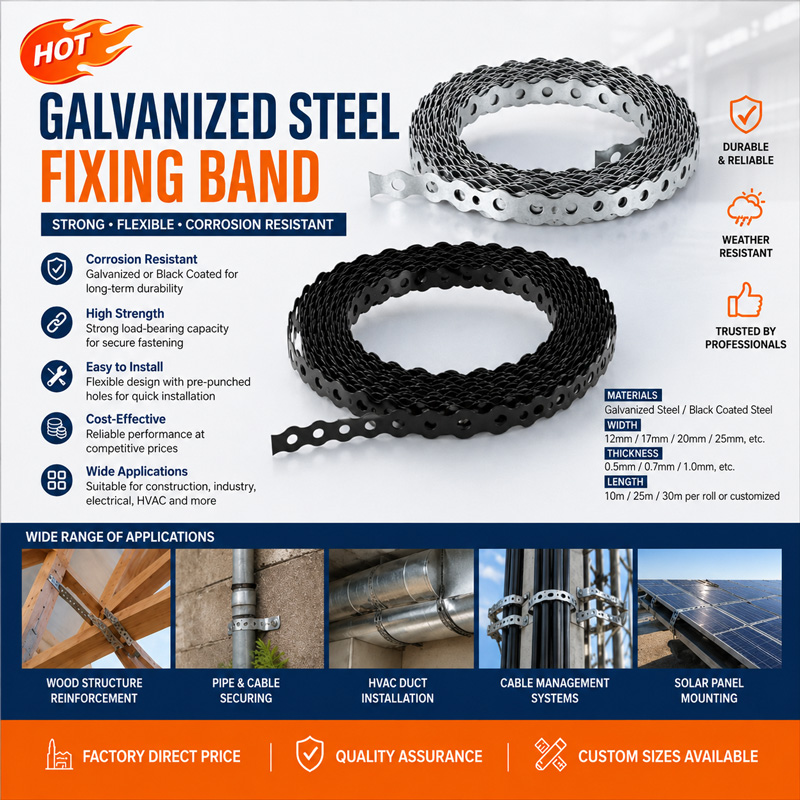
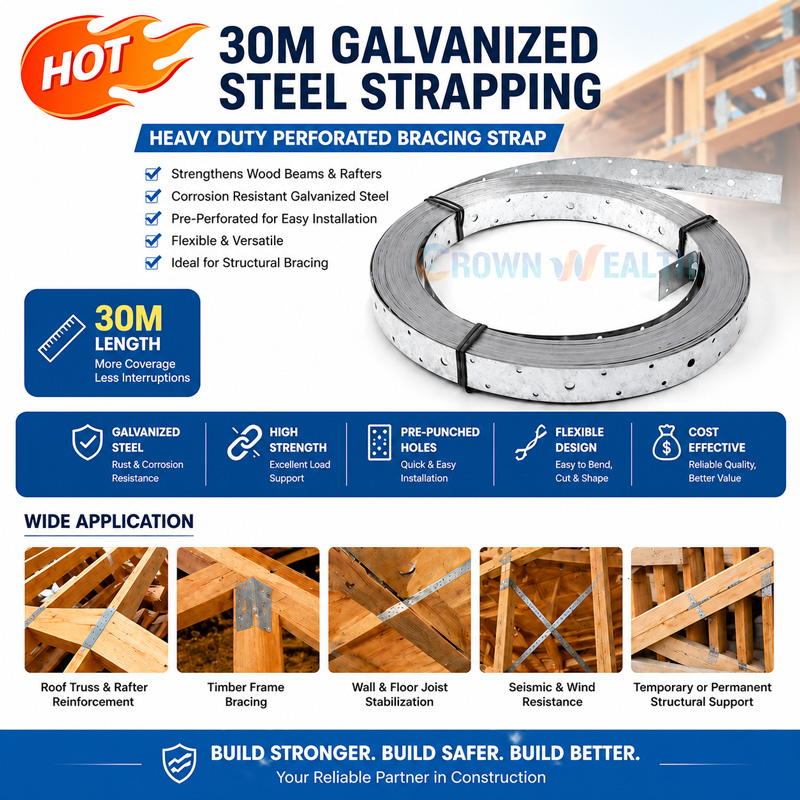
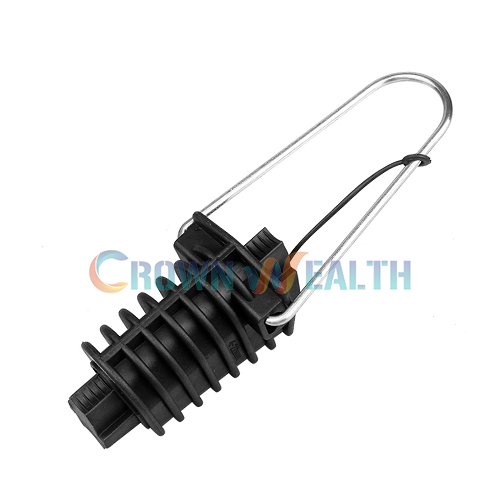
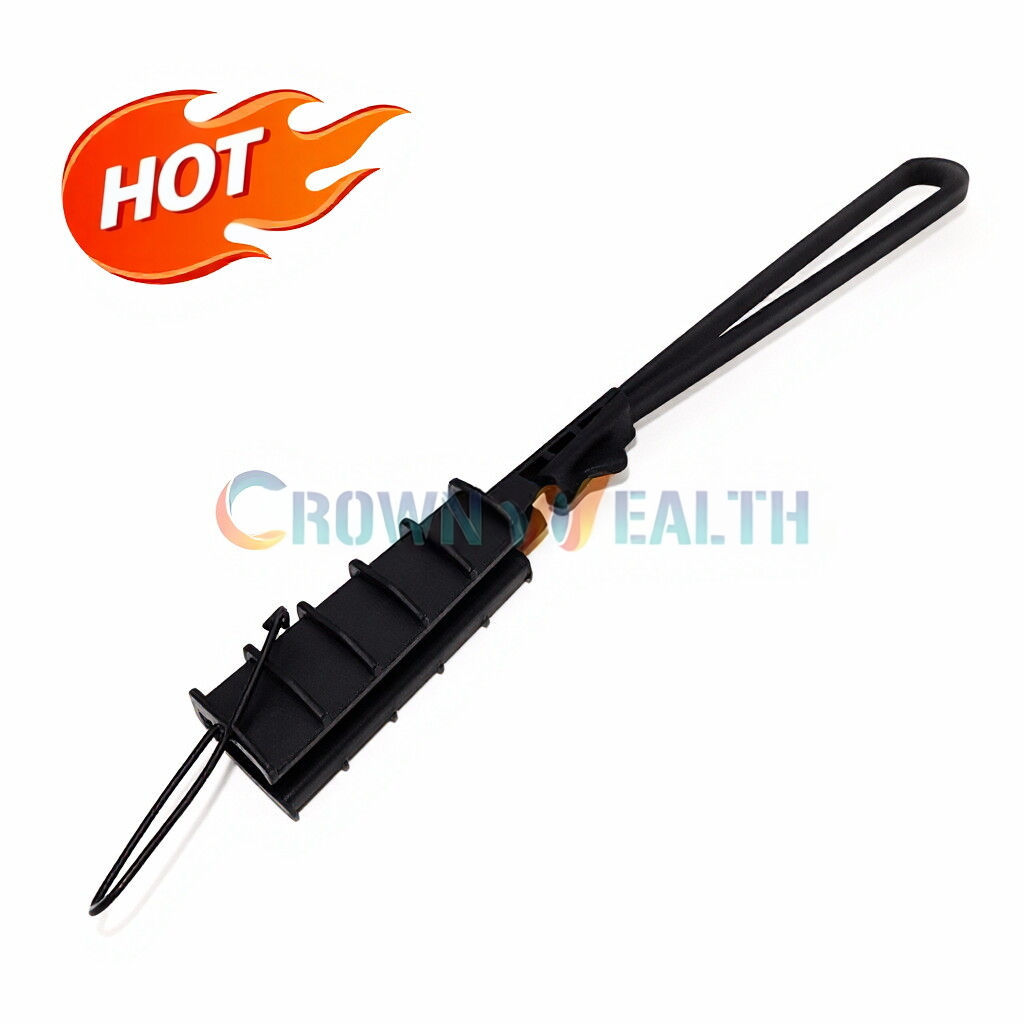
When embarking on a project that requires fastening fixtures, the process of choosing the right one can be daunting. As a seasoned Fastening Fixture supplier, I've witnessed firsthand the challenges that customers face in making this critical decision. In this blog post, I'll share some insights and considerations to help you select the most suitable fastening fixture for your project.
Understanding the Project Requirements
The first step in choosing the right fastening fixture is to thoroughly understand the project requirements. This involves considering factors such as the type of material being fastened, the load capacity needed, the environmental conditions, and the installation method.
Material Compatibility
Different fastening fixtures are designed to work with specific materials. For example, if you're working with wood, a screw or nail might be the best choice. On the other hand, if you're fastening metal components, a bolt or nut could be more appropriate. It's crucial to ensure that the fastening fixture you choose is compatible with the materials you're using to prevent damage and ensure a secure connection.
Load Capacity
The load capacity of a fastening fixture refers to the maximum amount of weight or force it can withstand without failing. This is a critical consideration, especially in projects where safety is a concern. You need to accurately calculate the load that the fastening fixture will be subjected to and choose one with a sufficient load capacity. Overloading a fastening fixture can lead to structural failure, which can have serious consequences.
Environmental Conditions
The environmental conditions in which the fastening fixture will be used can also have a significant impact on its performance. For instance, if the project is located in a corrosive environment, such as near the ocean or in a chemical plant, you'll need to choose a fastening fixture that is resistant to corrosion. Similarly, if the fixture will be exposed to high temperatures or extreme weather conditions, it should be able to withstand these factors without losing its integrity.
Installation Method
The installation method of the fastening fixture is another important factor to consider. Some fixtures require specialized tools or skills for installation, while others can be easily installed with basic tools. You need to choose a fastening fixture that can be installed efficiently and safely, taking into account the available resources and the expertise of your installation team.
Types of Fastening Fixtures
There are various types of fastening fixtures available in the market, each with its own unique features and applications. Here are some of the most common types:
Bolts and Nuts
Bolts and nuts are widely used in a variety of projects, from construction to machinery. They provide a strong and reliable connection and can be easily tightened or loosened as needed. Bolts come in different sizes, shapes, and materials, and can be used with a variety of nuts, such as hex nuts, wing nuts, and lock nuts.
Screws
Screws are another popular type of fastening fixture. They are commonly used to join two or more pieces of material together, and can be self-tapping or require a pre-drilled hole. Screws come in different head styles, such as flat head, round head, and pan head, and can be made of various materials, including steel, stainless steel, and brass.
Rivets
Rivets are permanent fastening fixtures that are used to join two or more pieces of material together. They are commonly used in applications where a strong and reliable connection is required, such as in aircraft and automotive manufacturing. Rivets are installed by inserting them into a pre-drilled hole and then deforming the end of the rivet to hold the materials together.
Clamps
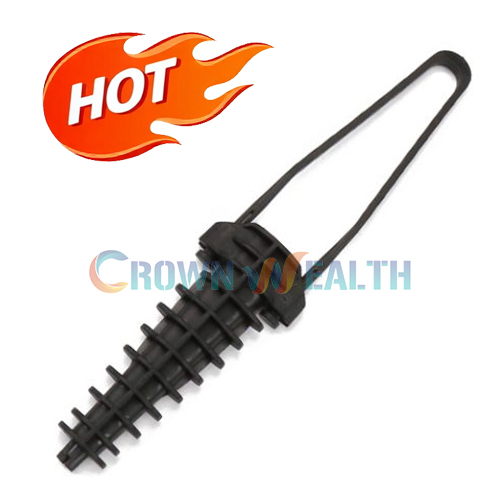
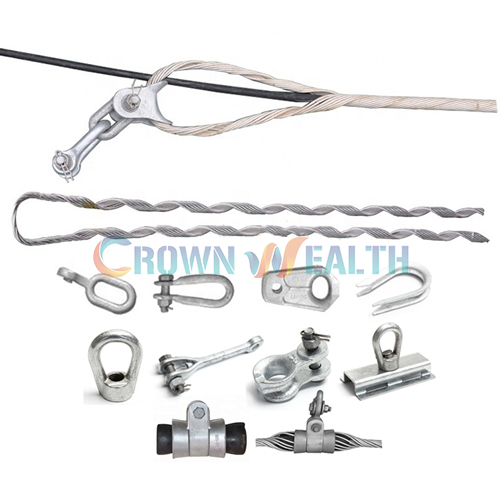
Clamps are used to hold objects together temporarily or permanently. They come in different types, such as C-clamps, bar clamps, and spring clamps, and can be used in a variety of applications, from woodworking to metalworking. Some examples of specialized clamps include the ADSS Tension Clamp and the Performed Helical Suspension Clamp, which are designed for specific industries and applications.


Our Product Range
As a leading Fastening Fixture supplier, we offer a wide range of high-quality fastening fixtures to meet the diverse needs of our customers. Our products are made from the finest materials and are manufactured to the highest standards of quality and performance.
We understand that every project is unique, and we work closely with our customers to provide customized solutions. Whether you need a standard fastening fixture or a specialized one, we have the expertise and resources to meet your requirements. Our team of experienced engineers and technicians can provide technical support and advice to help you choose the right fastening fixture for your project.
Making the Right Choice
Once you have a clear understanding of the project requirements and the types of fastening fixtures available, you can start the process of choosing the right one. Here are some steps to help you make an informed decision:
Research and Compare
Do your research and compare different fastening fixtures based on their features, performance, and price. Look for reviews and testimonials from other customers to get an idea of the quality and reliability of the products. You can also consult with industry experts or professionals to get their recommendations.
Consider the Cost
While cost is an important factor, it should not be the only consideration when choosing a fastening fixture. You need to balance the cost with the quality and performance of the product. A cheaper fastening fixture may save you money in the short term, but it may not be as reliable or durable in the long run, which can lead to additional costs and headaches.
Test and Evaluate
If possible, test the fastening fixture before using it in your project. This can help you determine its performance and suitability for your specific application. You can also evaluate the ease of installation and the overall quality of the product.
Contact Us for Procurement
Choosing the right fastening fixture for your project is a crucial decision that can have a significant impact on its success. As a trusted Fastening Fixture supplier, we are committed to providing our customers with the best products and services. If you have any questions or need assistance in choosing the right fastening fixture for your project, please don't hesitate to contact us. Our team of experts is ready to help you make the right choice and ensure the success of your project.
References
- "Fastening Technology Handbook" by Peter J. Blau
- "Mechanical Fasteners and Joining" by John H. Bickford
- Industry standards and guidelines related to fastening fixtures