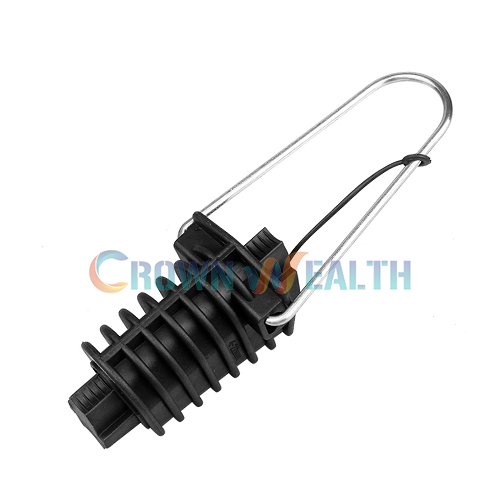
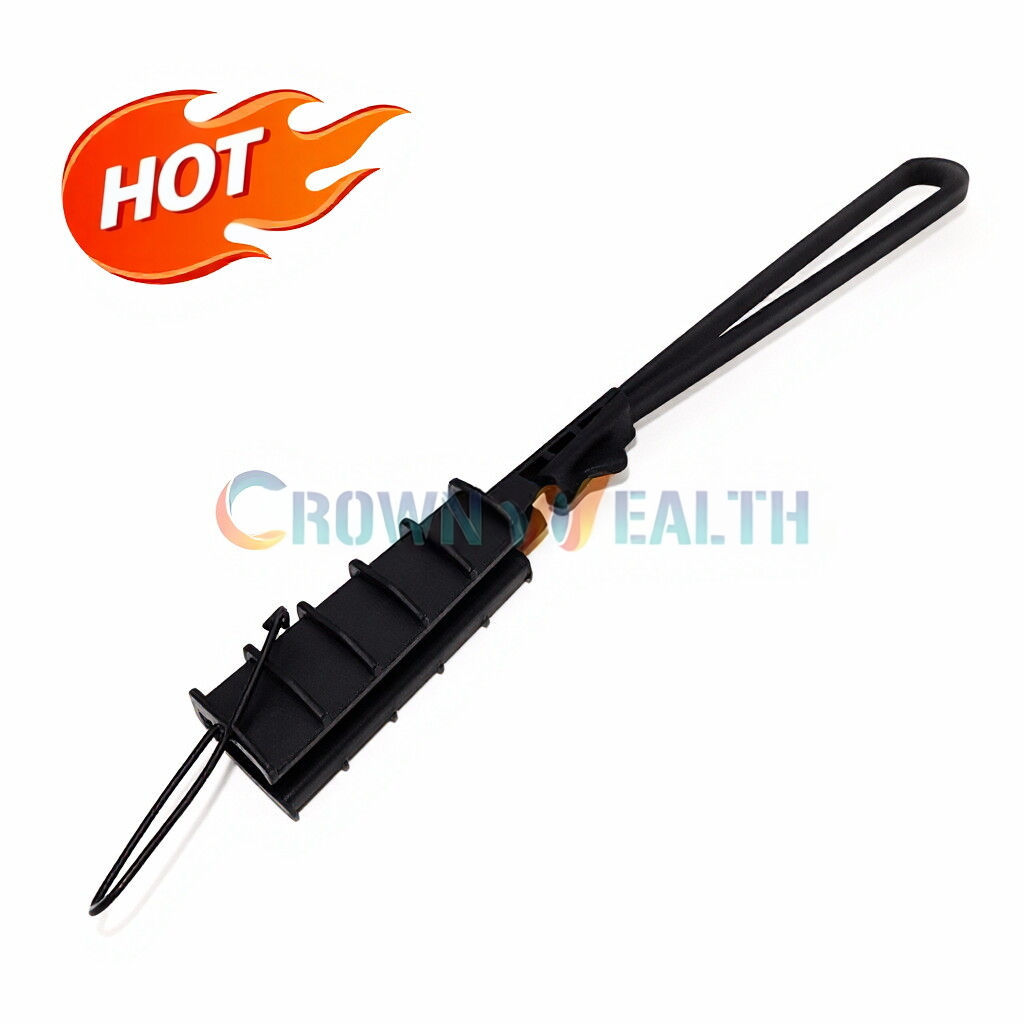
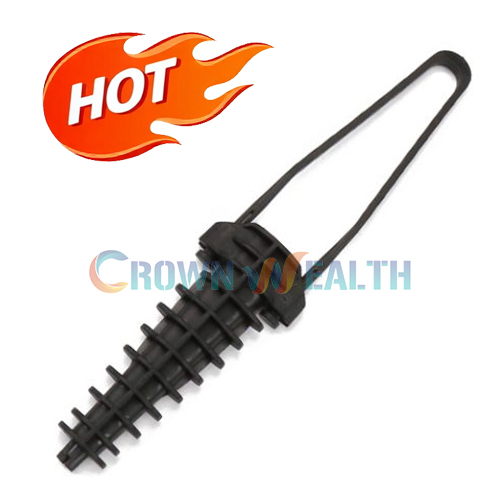
Hey there! As a supplier of ADSS Down Lead Clamps, I often get asked a bunch of questions about where and how these clamps can be used. One question that pops up quite a bit is, "Can an ADSS Down Lead Clamp be used in underground cable systems?" Let's dig into this topic and find out.
First off, let's understand what an ADSS Down Lead Clamp is. ADSS stands for All - Dielectric Self - Supporting, and these clamps are designed mainly for overhead fiber optic cable installations. They're used to secure the down - lead part of the ADSS cable, which is the part that runs from the overhead cable to the ground or a building. These clamps are made to withstand various environmental conditions like wind, rain, and extreme temperatures when they're up in the air.
Now, let's talk about underground cable systems. Underground cables are installed beneath the ground, usually in ducts or directly buried. The environment down there is quite different from the overhead one. In underground systems, the cable is protected from wind and direct sunlight, but it has to deal with soil pressure, moisture, and sometimes chemical substances in the soil.
So, can we use an ADSS Down Lead Clamp in an underground cable system? Well, it's a bit of a mixed bag.
Advantages of Using ADSS Down Lead Clamps in Underground Systems
One of the good things about ADSS Down Lead Clamps is their durability. They're built tough to hold up the cable in harsh overhead conditions, and this durability could potentially be an advantage in an underground setting. For example, they can handle a certain amount of pressure, which is useful when the cable is buried and has soil pressing on it.
Also, these clamps are designed to grip the cable tightly. In an underground system, this can prevent the cable from moving around due to soil movement or other external forces. This stability is crucial for maintaining the integrity of the cable and ensuring proper signal transmission.


Disadvantages of Using ADSS Down Lead Clamps in Underground Systems
However, there are some significant drawbacks. One of the main issues is moisture. ADSS Down Lead Clamps are not typically designed to be waterproof. In an underground environment, moisture is everywhere, and if water gets into the clamp, it can cause corrosion. Corrosion can weaken the clamp over time, leading to a loss of grip on the cable. This could result in the cable becoming loose, which might cause signal disruptions or even damage to the cable.
Another problem is the chemical environment in the soil. Different types of soil can have different chemical compositions. Some soils might be acidic or contain other corrosive substances. ADSS Down Lead Clamps might not be resistant to these chemicals, and over time, the clamp could be damaged.
Alternatives for Underground Cable Systems
If you're working on an underground cable system, there are other types of clamps that are better suited for the job. For example, there are specialized underground cable clamps that are designed to be waterproof and corrosion - resistant. These clamps are made with materials that can withstand the unique challenges of the underground environment.
When choosing a clamp for an underground system, you need to consider factors like the type of cable, the depth of burial, and the soil conditions. You might also want to look into clamps that have additional features like strain relief, which can help protect the cable from damage due to tension.
Our Other Products
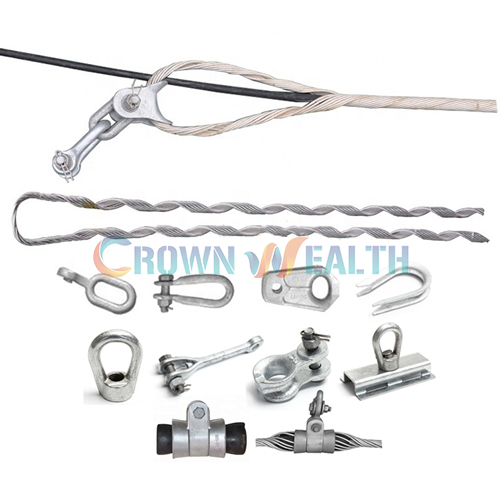
As a supplier, we don't just offer ADSS Down Lead Clamps. We also have a range of other clamps that might be useful for different applications. For instance, we have the Overhead Line Suspension Clamp. This clamp is great for overhead cable installations, as it provides reliable support for the cable.
We also offer the Double Suspension Clamp, which can be used in situations where you need extra support for the cable. And if you're looking for a clamp that's easy to install and provides a secure grip, our Performed Suspension Clamp might be the right choice.
Conclusion
In conclusion, while an ADSS Down Lead Clamp has some qualities that could potentially make it suitable for an underground cable system, the challenges posed by the underground environment, such as moisture and chemical corrosion, make it a less - than - ideal choice. It's usually better to go with clamps that are specifically designed for underground use.
If you're still not sure which clamp is right for your project, or if you have any questions about our ADSS Down Lead Clamps or other products, don't hesitate to reach out. We're here to help you make the best decision for your cable installation needs. Whether it's an overhead or underground project, we've got the products and the expertise to support you. So, if you're interested in purchasing our products or just want to have a chat about your requirements, feel free to get in touch. We're looking forward to working with you!
References
- Fiber Optic Cable Installation Handbook
- Underground Cable System Design and Maintenance Guide
- ADSS Cable and Fitting Technical Manual