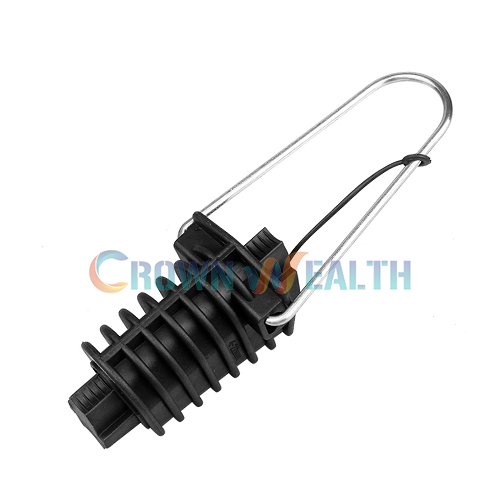
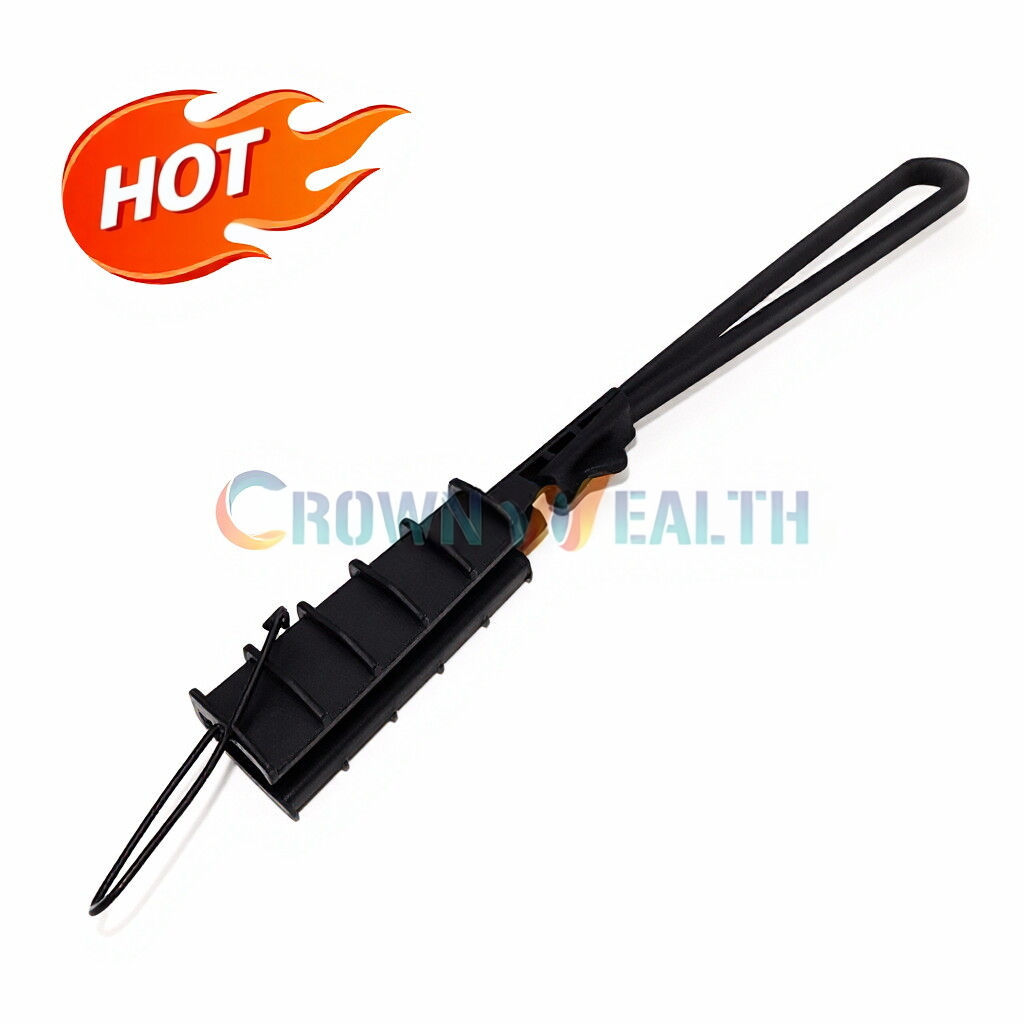
Hey there! As a supplier of double suspension clamps, I often get asked about how to measure the clamping force of these nifty little devices. It's a crucial aspect, especially when you're dealing with overhead power lines or other applications where a secure grip is a must. So, let's dive right in and explore the ins and outs of measuring the clamping force of a double suspension clamp.
First off, why is measuring the clamping force so important? Well, a double suspension clamp is designed to hold cables in place, preventing them from sagging or moving around. If the clamping force is too low, the cable might not be held securely, which can lead to all sorts of problems like cable damage, power outages, or even safety hazards. On the other hand, if the clamping force is too high, it could damage the cable or the clamp itself. So, getting that sweet spot is key.


There are a few different methods you can use to measure the clamping force of a double suspension clamp. One of the most common ways is to use a force gauge. A force gauge is a handy tool that measures the amount of force applied to an object. To use a force gauge to measure the clamping force of a double suspension clamp, you'll first need to install the clamp on a test cable. Make sure the cable is the same size and type as the one you'll be using in your actual application.
Once the clamp is installed on the test cable, attach the force gauge to the cable. You can do this by using a special adapter or by simply hooking the force gauge onto the cable. Then, slowly pull on the force gauge in a direction perpendicular to the axis of the cable. As you pull, the force gauge will display the amount of force being applied. Keep pulling until the cable starts to move or the clamp starts to slip. The maximum force reading on the force gauge is the clamping force of the double suspension clamp.
Another method you can use to measure the clamping force of a double suspension clamp is to use a strain gauge. A strain gauge is a device that measures the amount of strain or deformation in an object. To use a strain gauge to measure the clamping force of a double suspension clamp, you'll need to attach the strain gauge to the clamp itself. You can do this by using a special adhesive or by using a mechanical mounting method.
Once the strain gauge is attached to the clamp, install the clamp on a test cable. Then, apply a known amount of force to the cable using a hydraulic press or some other type of force-applying device. As you apply the force, the strain gauge will measure the amount of strain or deformation in the clamp. You can then use the strain gauge readings to calculate the clamping force of the double suspension clamp.
It's important to note that both of these methods have their limitations. For example, using a force gauge can be a bit tricky because it requires you to pull on the cable in a very precise direction. If you pull at an angle, you might not get an accurate measurement of the clamping force. Using a strain gauge can also be a bit challenging because it requires you to attach the strain gauge to the clamp in a very precise way. If the strain gauge is not attached correctly, you might not get an accurate measurement of the clamping force.
So, what can you do to ensure that you get an accurate measurement of the clamping force of a double suspension clamp? Here are a few tips:
- Use high-quality equipment: Make sure you're using a force gauge or a strain gauge that is accurate and reliable. Cheap or low-quality equipment might not give you accurate measurements.
- Follow the manufacturer's instructions: The manufacturer of the double suspension clamp should provide you with instructions on how to install and use the clamp. Make sure you follow these instructions carefully to ensure that you get an accurate measurement of the clamping force.
- Test multiple clamps: To get a more accurate picture of the clamping force of your double suspension clamps, it's a good idea to test multiple clamps. This will help you identify any variations in the clamping force between different clamps.
- Repeat the tests: To ensure that your measurements are accurate, it's a good idea to repeat the tests multiple times. This will help you identify any errors or inconsistencies in your measurements.
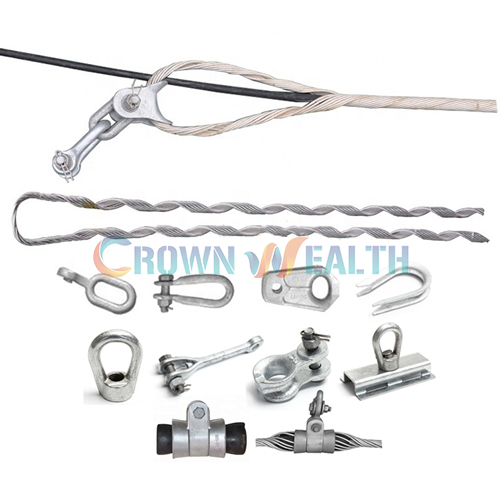
As a supplier of double suspension clamps, I offer a wide range of products to meet your needs. Whether you're looking for a Preformed Double Suspension Clamp, a Hot Dip Galvanized Cable Storage Bracket, or a Fastening Clamp for Pole Or Tower, I've got you covered.
If you're interested in learning more about our double suspension clamps or if you have any questions about measuring the clamping force, please don't hesitate to get in touch. I'm always happy to help and I'd love to discuss your specific requirements. Whether you're a small business or a large corporation, I'm confident that I can provide you with the right double suspension clamp solutions for your project.
So, if you're in the market for high-quality double suspension clamps and want to ensure you're getting the best clamping force for your needs, reach out to me. Let's start a conversation and find the perfect fit for your application.
References
- "Mechanical Testing of Fasteners and Clamps", ASTM International
- "Handbook of Measuring Force and Torque", Springer