Hey there! I'm in the business of OPGW cable storage, and I often get asked this question: Can OPGW cable be stored in a thatched shed? Let's dig into this topic and find out the answer.
First off, let's understand what OPGW cable is. OPGW, or Optical Fiber Composite Overhead Ground Wire, is a special type of cable that combines the functions of a ground wire and an optical fiber communication line. It's widely used in power transmission systems for communication and lightning protection. These cables are pretty high - tech and need proper care when it comes to storage.
Conditions Required for OPGW Cable Storage
OPGW cables are sensitive to a few key environmental factors. Temperature is one of the most important ones. Extreme temperatures can have a negative impact on the cable's performance. High temperatures can cause the cable's jacket to expand and potentially damage the internal optical fibers. On the other hand, low temperatures can make the cable more brittle, increasing the risk of cracking during handling.
Humidity is another crucial factor. Excessive moisture can lead to corrosion of the metallic components within the OPGW cable. The optical fibers can also be affected by moisture, which may cause signal attenuation and reduce the cable's lifespan.
Physical protection is also necessary. Cables should be protected from mechanical damage, such as scratches, cuts, and impacts. These damages can compromise the integrity of the cable and disrupt communication signals.
Thatched Shed as a Storage Option
Now, let's talk about thatched sheds. A thatched shed is a simple structure with a roof made of straw or reeds. It has its own set of characteristics that we need to evaluate in the context of OPGW cable storage.
Temperature Control
Thatched roofs can provide some insulation, but they are far from perfect. In hot weather, the inside of a thatched shed can get extremely hot because the thatch doesn't have good heat - dissipating properties. The sun's rays can heat up the shed, and the trapped heat can reach levels that are harmful to OPGW cables. In cold weather, the shed may not offer enough insulation to keep the cables warm. The temperature inside can drop significantly, making the cables brittle.
Humidity Management
Thatch is a natural material that can absorb moisture. In areas with high humidity or during rainy seasons, the thatched roof can become saturated with water. This moisture can seep into the shed, increasing the humidity levels inside. As we know, high humidity is bad news for OPGW cables, as it can lead to corrosion and other issues.
Physical Protection
Thatched sheds are generally not very sturdy structures. They may not be able to withstand strong winds, heavy rain, or other natural elements. There's also a risk of animals getting into the shed and causing damage to the cables. For example, rodents might chew on the cables, which can completely ruin them.
Risks of Storing OPGW Cables in a Thatched Shed
If you store OPGW cables in a thatched shed, you're taking on several risks.
Performance Degradation
As mentioned earlier, the temperature and humidity fluctuations in a thatched shed can cause the cable's performance to degrade. The optical fibers may experience increased signal loss, which can lead to poor communication quality. The metallic components may corrode, reducing the cable's electrical conductivity and its ability to function as a ground wire.


Safety Hazards
Corroded cables can pose safety hazards. If the cable's grounding function is compromised, it may not be able to effectively protect the power system from lightning strikes. This can lead to equipment damage and even endanger the lives of workers in the area.
Shortened Lifespan
The harsh conditions in a thatched shed can significantly shorten the lifespan of OPGW cables. Instead of lasting for many years, the cables may need to be replaced much earlier, which can be a costly affair.
Alternatives to Thatched Sheds
So, if thatched sheds aren't a good option for OPGW cable storage, what are the alternatives?
Purpose - Built Storage Facilities
These are the best option for storing OPGW cables. They are designed to maintain stable temperature and humidity levels. They also offer excellent physical protection against external elements and mechanical damage. These facilities can be equipped with climate - control systems, security measures, and proper shelving for cable storage.
Warehouses
Warehouses can also be a suitable option. They are usually more robust than thatched sheds and can be modified to meet the storage requirements of OPGW cables. You can install dehumidifiers and temperature - control units to create a favorable environment for the cables.
Related Products for OPGW Installation
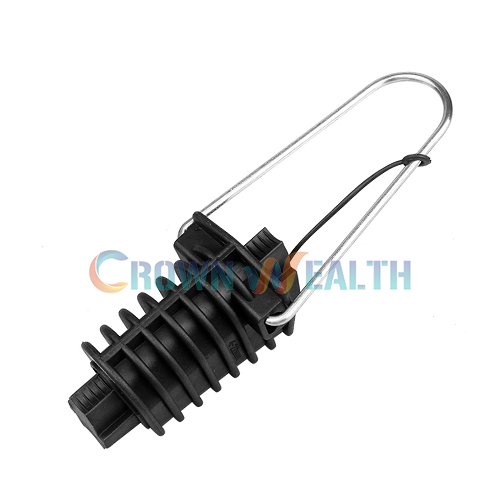
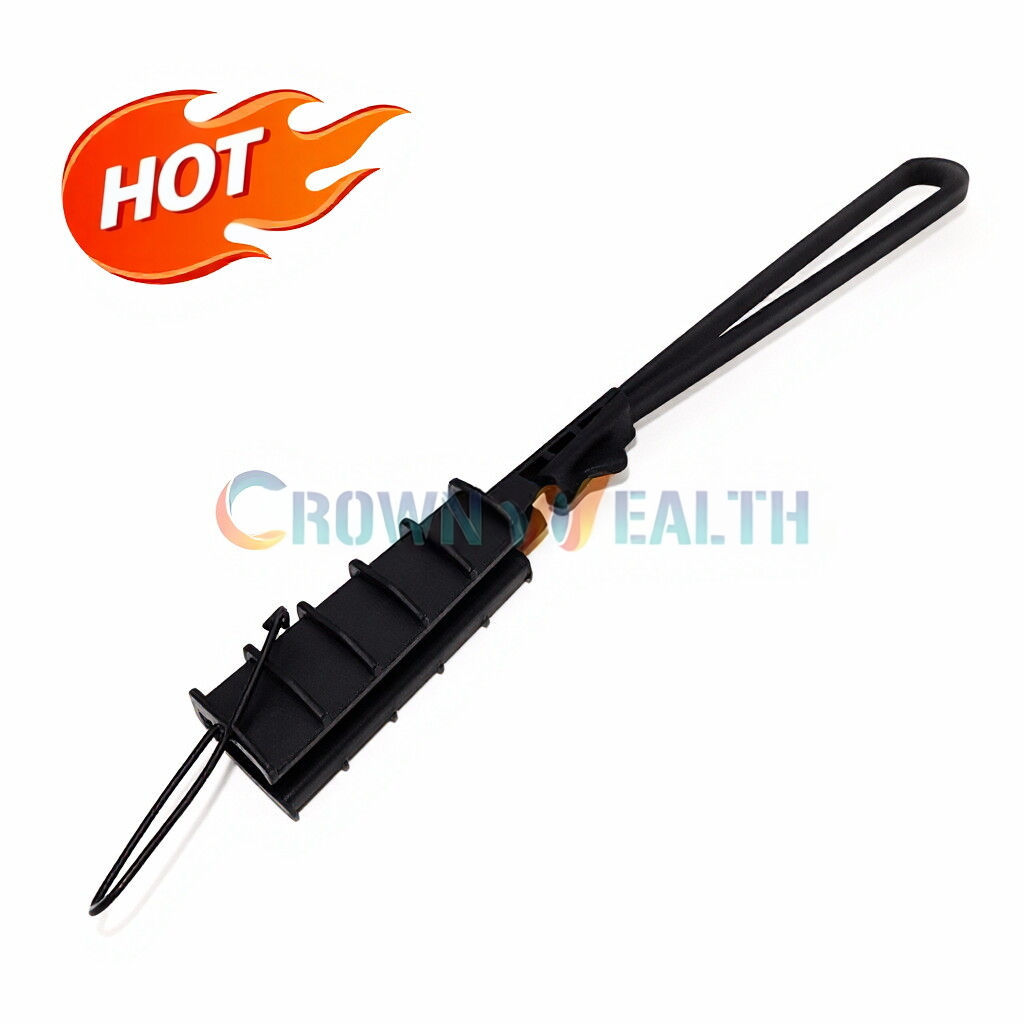
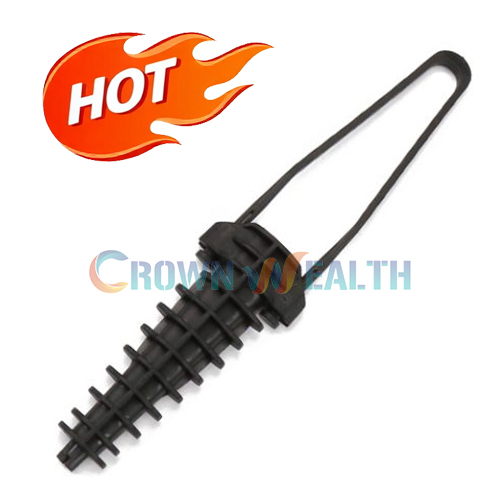
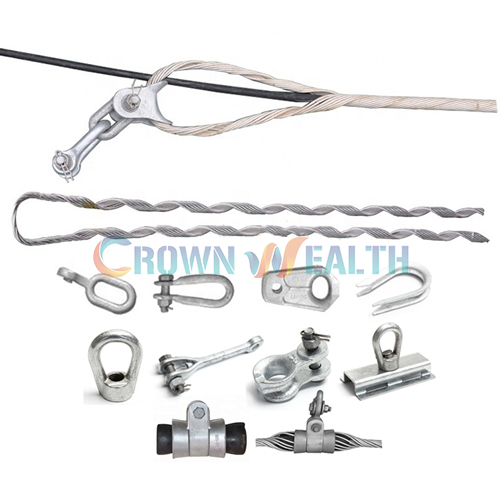
When it comes to OPGW cables, there are also some important accessories that you might need. For example, the Tension Clamp for Overhead Line is used to secure the OPGW cable to the transmission towers. It ensures that the cable is properly tensioned and doesn't sag or break under its own weight.
The Aluminum Alloy Optical Cable Splice Box is another essential product. It's used to protect the splices between different sections of the OPGW cable. The aluminum alloy construction provides good protection against environmental factors.
And the Aluminum Joint Box is used for connecting and protecting the cable joints. It helps to maintain the integrity of the cable and ensures reliable communication.
Conclusion
In conclusion, storing OPGW cables in a thatched shed is not a good idea. The temperature, humidity, and physical protection issues associated with thatched sheds can cause serious problems for the cables, including performance degradation, safety hazards, and a shortened lifespan. It's much better to invest in proper storage facilities or warehouses that can provide the right environment for the cables.
If you're in the market for OPGW cable storage solutions or any of the related products I mentioned, don't hesitate to reach out. We're here to help you find the best options for your needs. Whether it's a large - scale power project or a small - scale installation, we've got the expertise and the products to ensure your OPGW cables are stored and installed correctly.
References
- "Handbook of Fiber Optic Data Communication" by Richard A. Deal
- "Power System Communication: An Introduction" by John E. Grainger and William D. Stevenson