Hey there! As a supplier of fastening fixtures, I've seen firsthand how these little guys play a huge role in all sorts of projects. But one question that comes up a lot, especially from folks in colder regions, is how these fastening fixtures perform in extreme cold conditions. Well, let's dive right in and find out!
First off, what exactly are fastening fixtures? They're basically tools or devices used to hold two or more objects together. Think of things like bolts, nuts, clamps, and brackets. They're used in a ton of industries, from construction and manufacturing to telecommunications and energy. And when it comes to extreme cold, these fixtures face some unique challenges.
One of the biggest issues in cold conditions is the change in material properties. Most metals, which are commonly used in fastening fixtures, become more brittle as the temperature drops. This means they're more likely to crack or break under stress. For example, steel, a popular choice for many fastening fixtures, can experience a significant reduction in its ductility at low temperatures. Ductility is the ability of a material to deform without breaking, and when it's reduced, the fixture becomes more prone to failure.
Another challenge is thermal contraction. As the temperature drops, materials shrink. This can create problems if the different parts of a fastening system contract at different rates. For instance, if a bolt and the material it's fastening to have different coefficients of thermal expansion, the bolt may loosen or the joint may become misaligned. This can lead to a loss of structural integrity and potentially dangerous situations.
Now, let's talk about how our fastening fixtures at [Company Name] (not really naming a company here as per instruction) are designed to handle these challenges. We use high - quality materials that are specifically chosen for their performance in cold environments. For example, some of our fixtures are made from special alloys that have better cold - resistance properties than standard steel. These alloys are engineered to maintain their strength and ductility even at extremely low temperatures.
We also pay close attention to the design of our fixtures. We make sure that the dimensions and tolerances are carefully calculated to account for thermal contraction. This helps to ensure that the fixtures remain tight and secure even as the temperature changes.
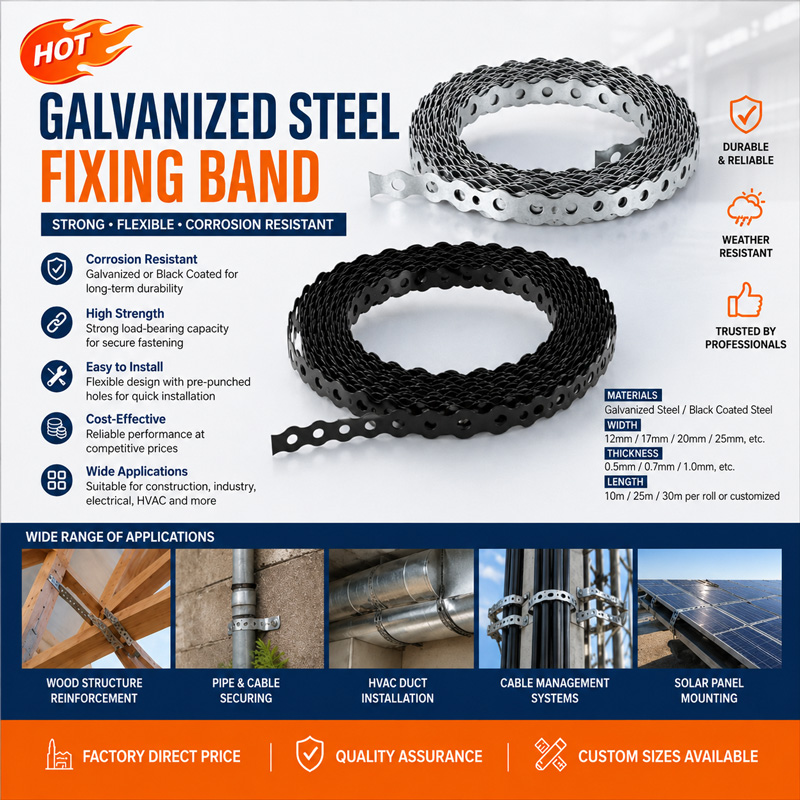
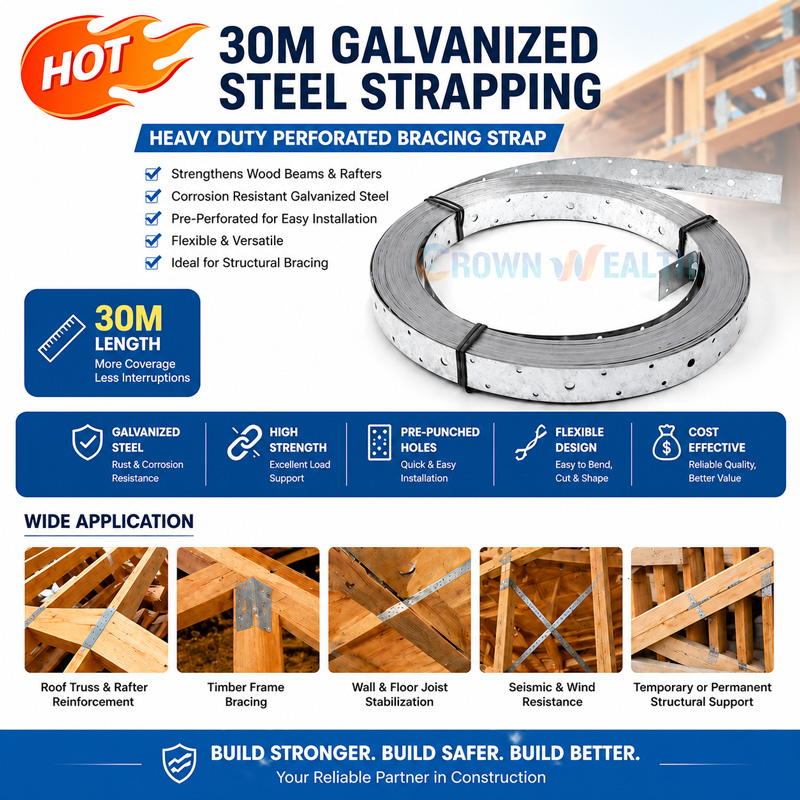
Let's take a look at some specific products and how they perform in cold conditions.
The Hot Dip Galvanized Cable Storage Bracket is a great example. This bracket is used to store cables in a neat and organized way. The hot - dip galvanizing process gives it a protective coating that not only resists corrosion but also helps to maintain its structural integrity in cold weather. The zinc coating acts as a barrier, preventing moisture from reaching the metal and causing rust. And because the galvanized layer is relatively flexible, it can withstand the small movements and stresses that occur due to thermal contraction without cracking.
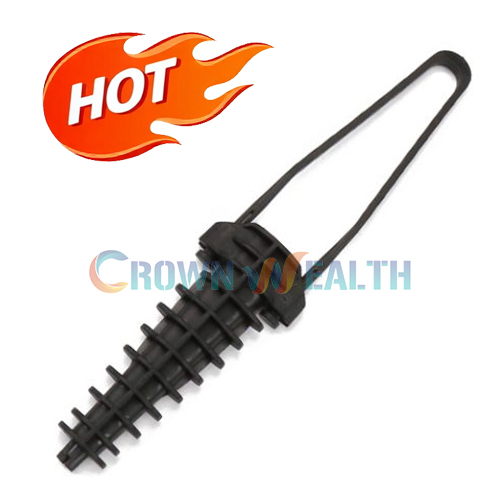
The Downlead Clamp is another important product. It's used to secure downleads, which are cables that run from a higher point to a lower point, like from a rooftop antenna to the ground. In cold conditions, the downlead clamp needs to hold the cable firmly in place. Our downlead clamps are made from materials that can withstand the cold and the forces exerted by the cable. They're designed with a strong grip to prevent the cable from slipping, even when the temperature drops.
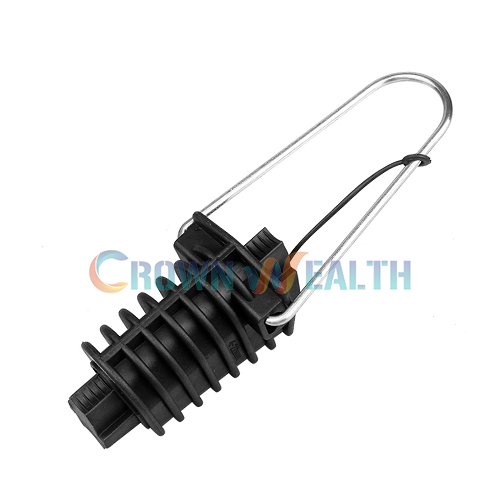
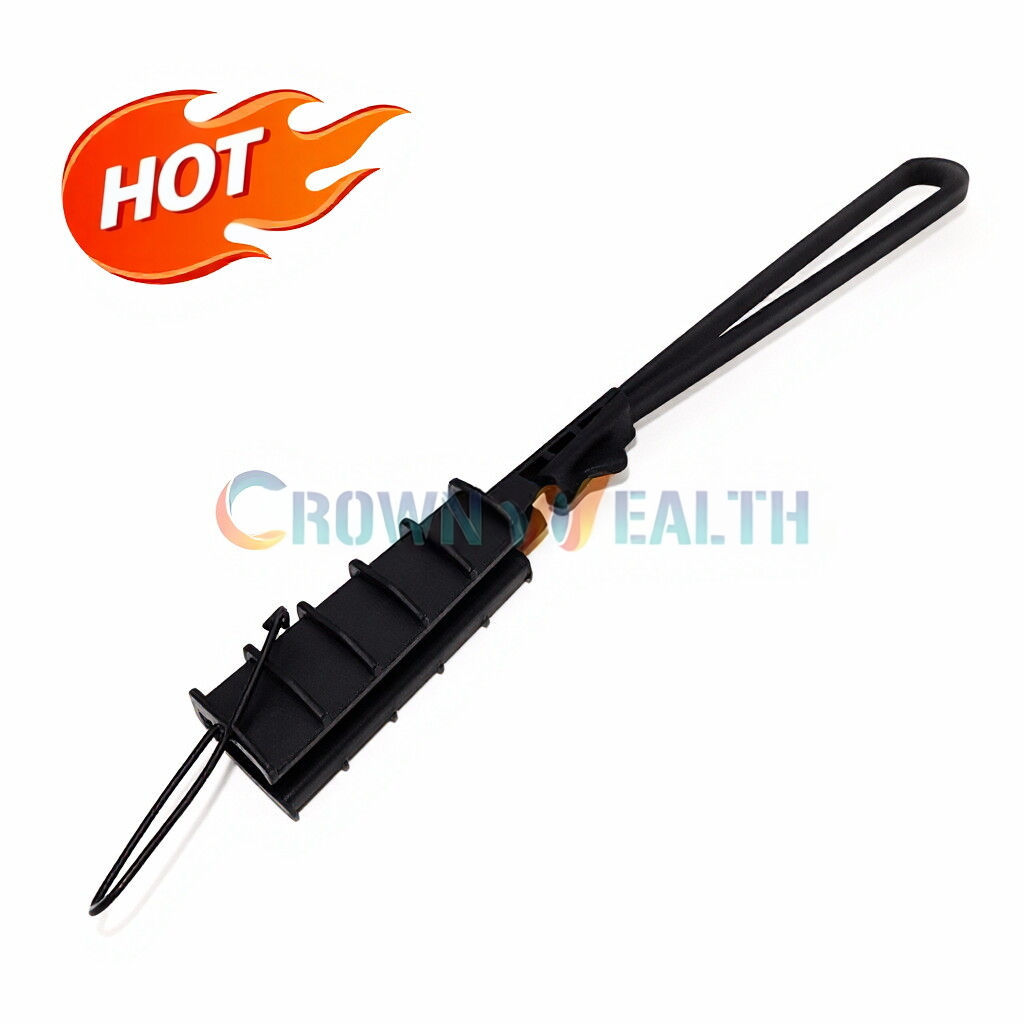
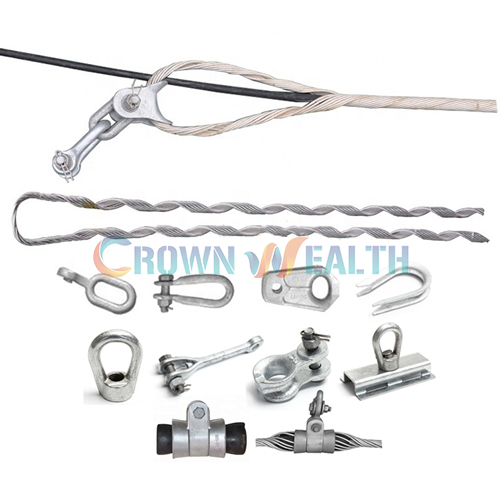
The Preformed Helical Tension Clamp is also a key player. This clamp is used to apply tension to cables, ensuring that they stay in place. In cold weather, the preformed design of the clamp helps it to adapt to the cable and maintain the right amount of tension. The helical shape distributes the stress evenly along the cable, reducing the risk of damage due to cold - related brittleness.


In addition to the materials and design, we also conduct rigorous testing on our fastening fixtures. We test them in simulated cold environments to make sure they meet our high standards of performance. This includes testing for strength, durability, and resistance to corrosion. We also test the fixtures under different loads and stress conditions to ensure that they can handle the real - world challenges they'll face in extreme cold.
But it's not just about the product itself. We also provide excellent customer support. If you're using our fastening fixtures in cold conditions and have any questions or concerns, our team of experts is always ready to help. We can offer advice on installation, maintenance, and any other issues you might encounter.
If you're in an area with extreme cold and need reliable fastening fixtures, we'd love to hear from you. Whether you're working on a small DIY project or a large - scale industrial installation, our products are designed to meet your needs. We offer a wide range of fastening fixtures, and we can even customize them to fit your specific requirements.
Contact us today to start a conversation about your fastening needs. We're confident that our products will perform well in your cold - weather projects, and we're looking forward to helping you find the perfect solutions.
References
- ASM Handbook Volume 3: Alloy Phase Diagrams. ASM International.
- ASTM International Standards on Cold - Weather Materials Testing. ASTM International.
- "Materials Science and Engineering: An Introduction" by William D. Callister, Jr. and David G. Rethwisch.