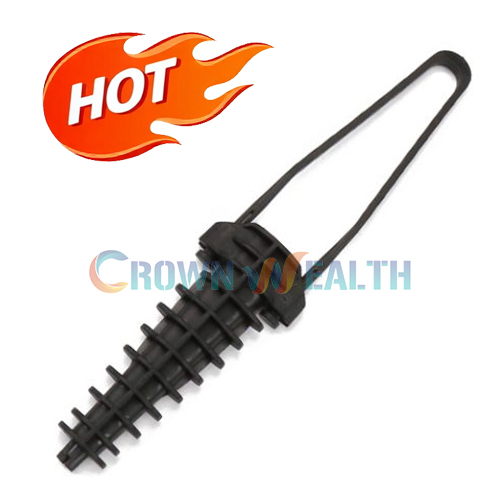
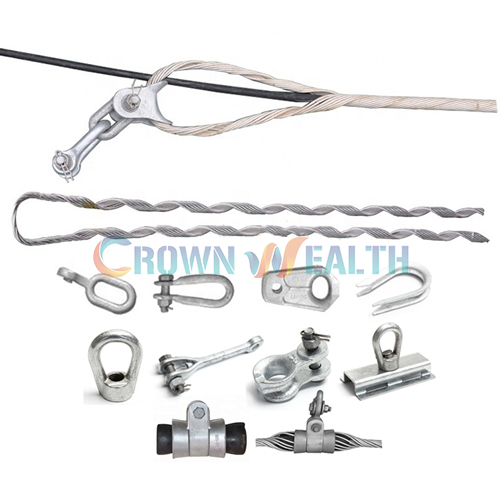
Hey there! I'm an ADSS fitting supplier, and today I wanna chat about the installation accuracy requirements for ADSS fittings. ADSS, or All-Dielectric Self-Supporting, cables are widely used in power communication networks because they're lightweight, corrosion-resistant, and can be installed without the need for grounding. But to make sure these cables work well and last long, it's super important to install the fittings with high accuracy.
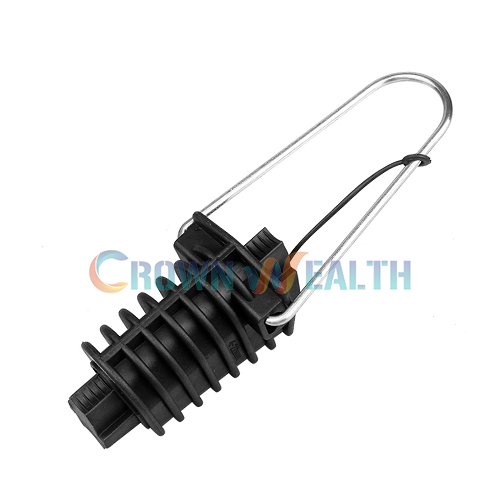
Let's start with the basic understanding of ADSS fittings. There are various types of ADSS fittings, each with its own role and installation requirements. For example, the Double Suspension Clamp is used to support the ADSS cable at suspension points. It needs to be installed precisely to ensure that the cable is evenly supported and doesn't experience excessive stress. If the double suspension clamp is not installed accurately, it might cause the cable to sag unevenly, which can lead to problems like increased wind vibration and potential damage to the cable over time.
When installing the double suspension clamp, one of the key accuracy requirements is the alignment. The clamp should be centered on the cable as much as possible. Any misalignment can result in an unbalanced load distribution on the cable. Also, the tightening torque of the clamp bolts is crucial. If the bolts are not tightened to the specified torque, the clamp might not hold the cable securely, and there's a risk of the cable slipping out during operation. On the other hand, over - tightening can damage the cable jacket or even the internal fiber structure.
Another important type of ADSS fitting is the Downlead Clamp. This clamp is used to secure the ADSS cable as it goes down from the suspension point to the ground or other equipment. The installation accuracy for the downlead clamp mainly focuses on the angle and height. The clamp should be installed at the correct angle to ensure that the cable has a smooth transition from the suspension to the downlead section. Incorrect angles can cause sharp bends in the cable, which can increase the attenuation of the optical signal and reduce the overall performance of the cable.
The height at which the downlead clamp is installed also matters. It should be installed at a height that allows for easy access for maintenance while still keeping the cable away from potential sources of damage, such as animals or human interference. If the clamp is installed too low, the cable might be more vulnerable to being accidentally cut or damaged. If it's installed too high, it can make maintenance work more difficult and dangerous.
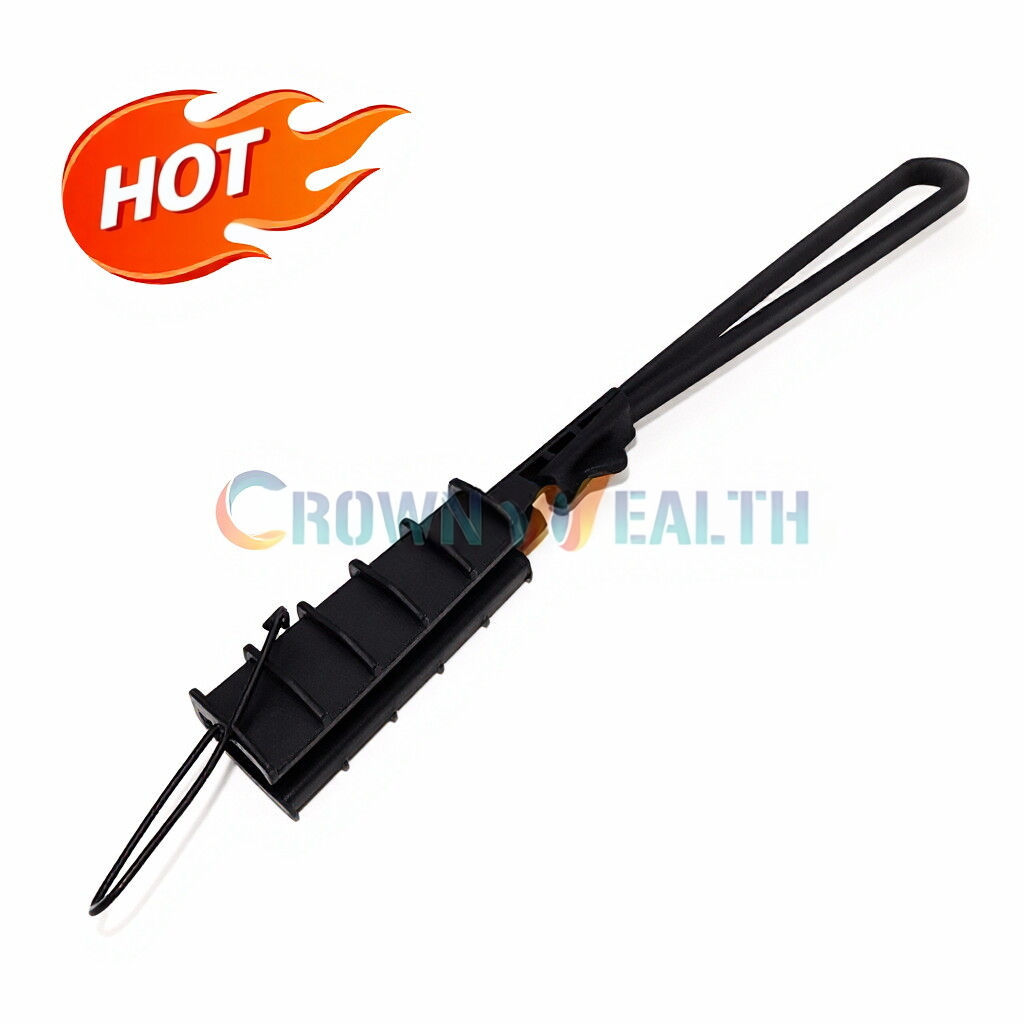
Now, let's talk about the Preformed Dead End Guy Grips Sets for ADSS. These sets are used at the end of the ADSS cable to anchor it firmly. The installation accuracy of these grips is extremely important for the stability of the entire cable system. When installing the preformed dead - end guy grips, the preformed strands need to be wound around the cable precisely according to the manufacturer's instructions. Any deviation in the winding pattern can reduce the grip's holding force on the cable.
The tension adjustment of the guy wires attached to the dead - end grips is also a critical aspect. The tension should be set correctly to ensure that the cable is held firmly without being over - stressed. If the tension is too low, the cable might not be properly anchored, and it can move or swing in the wind, which can cause damage to the cable and the fittings. If the tension is too high, it can put excessive stress on the cable, leading to potential breakage.
In addition to the specific requirements for each type of fitting, there are some general installation accuracy requirements for ADSS fittings. First of all, the distance between different fittings should be consistent with the design requirements. This distance affects the cable's mechanical performance and the distribution of stress along the cable. If the distances are not accurate, it can lead to uneven stress distribution, which can shorten the cable's lifespan.


The level of cleanliness during installation is also important. Any dirt, debris, or moisture on the cable or the fittings can affect the performance and durability of the fittings. For example, dirt between the clamp and the cable can reduce the clamping force, and moisture can cause corrosion of the metal parts of the fittings. So, before installation, it's necessary to clean both the cable and the fittings thoroughly.
Moreover, the installation environment needs to be considered. Extreme weather conditions, such as high winds, heavy rain, or extreme temperatures, can make the installation process more challenging and affect the installation accuracy. For instance, in high - wind conditions, it can be difficult to hold the fittings in place accurately during installation. In cold temperatures, the materials of the fittings might become more brittle, increasing the risk of breakage during installation. So, it's advisable to choose a suitable time and weather condition for the installation work.
As an ADSS fitting supplier, I understand how important it is to provide high - quality fittings and clear installation guidelines. That's why we always make sure our products meet the highest standards and come with detailed instructions on installation accuracy requirements. Our team is also ready to offer technical support to our customers to ensure that the installation process goes smoothly.
If you're in the market for ADSS fittings, whether it's double suspension clamps, downlead clamps, or preformed dead - end guy grips sets, I encourage you to get in touch with us. We can provide you with the right products for your specific needs and help you with the installation process. Just reach out, and we'll be happy to start a conversation about your ADSS fitting requirements.
References
- Industry standards for ADSS cable installation
- Manufacturer's manuals for ADSS fittings