Hey there! I'm a supplier of Double Yoke Plates, and today I wanna dive into a question that often pops up: Do Double Yoke Plates need to be lubricated?
First off, let's talk a bit about what Double Yoke Plates are. These are essential components in many industries, especially in electrical and mechanical set - ups. They're used to connect different parts, providing a stable and reliable link. Think of them as the unsung heroes that keep things together in complex systems.


Now, let's get to the main question. Whether Double Yoke Plates need lubrication depends on a few factors.
Working Environment
The environment in which the Double Yoke Plates operate plays a huge role. If they're in a harsh, dirty environment, lubrication can be a game - changer. Dust, dirt, and debris can easily get into the moving parts of the plates. Without lubrication, these particles can cause abrasion, which leads to wear and tear over time. For example, in a construction site where there's a lot of dust flying around, the friction between the plates can increase significantly. Lubricating the plates helps to create a barrier between the metal surfaces and the dirt, reducing the chances of damage.
On the other hand, if the plates are in a clean, indoor environment with minimal exposure to contaminants, the need for lubrication might be less urgent. However, it doesn't mean you can completely ignore it. Even in a clean environment, there's still some level of friction between the moving parts, and lubrication can help to extend the lifespan of the plates.
Frequency of Use
How often the Double Yoke Plates are used also matters. If they're in constant use, like in a high - speed production line, the friction generated can be quite high. In such cases, lubrication is almost a must. It helps to reduce the heat generated by friction, which can prevent the plates from overheating and warping. Overheating can lead to a loss of strength in the metal, making the plates more prone to failure.
Conversely, if the plates are used only occasionally, the wear and tear due to friction are likely to be less. But again, a little bit of lubrication can go a long way in preventing corrosion and ensuring smooth operation when they are used.
Type of Lubricant
If you decide that lubrication is necessary, choosing the right lubricant is crucial. There are different types of lubricants available, such as oil - based, grease - based, and dry lubricants.
Oil - based lubricants are great for reducing friction quickly. They can easily penetrate into the small gaps between the plates, providing immediate lubrication. However, they tend to attract dust and dirt more easily, so they might not be the best choice in a dirty environment.
Grease - based lubricants, on the other hand, are more viscous. They stay in place better and provide long - term protection. They're also good at preventing corrosion. But they can be a bit messy to apply, and they might not be as effective in high - speed applications where quick - acting lubrication is needed.
Dry lubricants are a good option if you want to avoid the mess of oil or grease. They work by creating a thin, dry film on the surface of the plates. They're suitable for applications where cleanliness is a priority, but they might not provide as much lubrication as oil or grease in some cases.
Benefits of Lubrication
Let's talk about the benefits of lubricating Double Yoke Plates.
Reduced Friction: As I mentioned earlier, lubrication helps to reduce the friction between the plates. This means less wear and tear, which extends the lifespan of the plates. You won't have to replace them as often, saving you money in the long run.
Smoother Operation: Lubricated plates operate more smoothly. This is especially important in applications where precise movement is required. For example, in a robotic arm that uses Double Yoke Plates for articulation, smooth operation ensures accurate positioning.
Corrosion Prevention: Lubricants can act as a barrier against moisture and oxygen, which are the main causes of corrosion. By preventing corrosion, you keep the plates in good condition and maintain their structural integrity.
When Not to Lubricate
There are also situations where lubrication might not be a good idea. If the Double Yoke Plates are part of an electrical system, some lubricants can be conductive. This can cause short - circuits or other electrical problems. In such cases, you need to use a non - conductive lubricant or avoid lubrication altogether.
Another case is when the plates are designed to operate in a self - lubricating manner. Some modern Double Yoke Plates are made with special materials or coatings that reduce friction without the need for external lubrication. In these cases, adding lubricant might actually interfere with the self - lubricating properties of the plates.
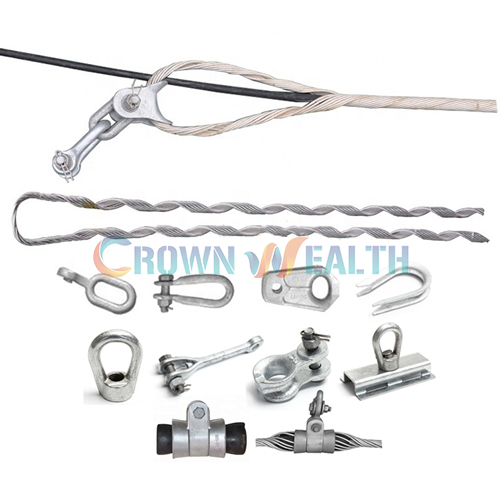
In addition to Double Yoke Plates, we also offer other high - quality link fittings. Check out our HDG Anchor Shackle, ZH Ball Eyes, and HDG Parallel Groove Clamp. These products are designed to meet the highest standards of quality and performance.
If you're in the market for Double Yoke Plates or any of our other link fittings, I'd love to have a chat with you. Whether you need advice on lubrication or want to discuss your specific requirements, feel free to reach out. We're here to help you find the best solutions for your projects.
References
- "Mechanical Engineering Handbook" - A comprehensive guide on mechanical components and their maintenance.
- "Electrical Fitting Manual" - Provides insights into the use and care of electrical link fittings.