Do protective fittings affect the performance of the protected item? That's a question I've been asked a lot as a supplier of protective fittings. And it's a valid one, considering how much we rely on these little guys to keep our equipment safe and sound.
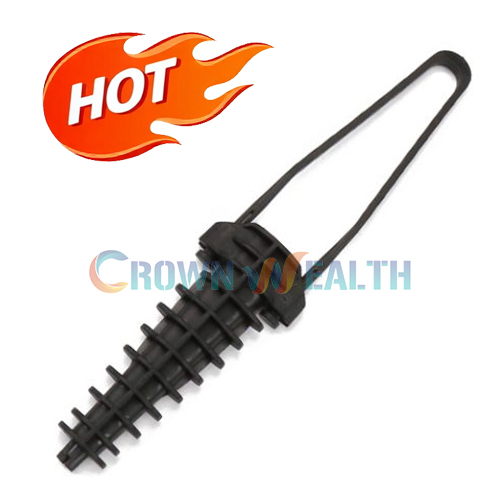
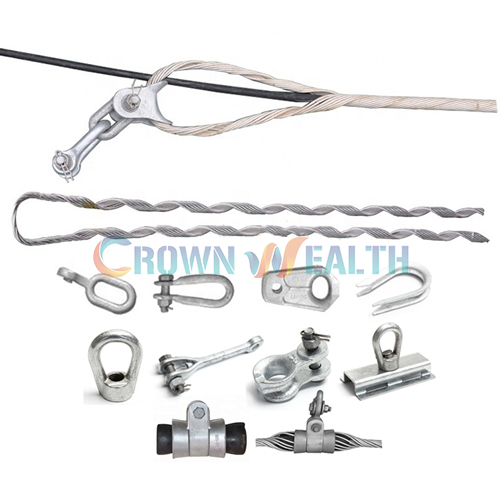
Let's start by understanding what protective fittings are. They're basically devices designed to shield, support, or enhance the functionality of other items. Think of them as the bodyguards of the industrial world. From Vibration Damper that calm down the jitters in machinery to Square Spacer Damper that keep cables in line, and Cable Guy Grips that hold cables firmly in place, they come in all shapes and sizes.
Now, let's dig into whether they affect the performance of the protected item. In most cases, the whole point of these protective fittings is to improve or at least maintain the performance of the thing they're protecting. Take vibration dampers, for example. Machines can generate a lot of vibrations during operation. These vibrations can cause wear and tear on the machine's components, leading to breakdowns and reduced efficiency. A vibration damper absorbs and dissipates these vibrations, preventing them from causing damage. As a result, the machine can run more smoothly and efficiently, which actually boosts its performance.
Square spacer dampers are another great example. In power transmission lines, cables need to be kept at a certain distance from each other to prevent interference and short - circuits. A square spacer damper does just that. By maintaining the proper spacing between cables, it ensures that the electrical current flows smoothly, reducing power losses and improving the overall performance of the power transmission system.
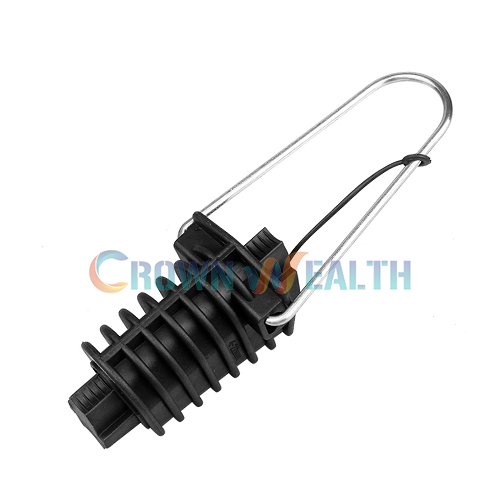
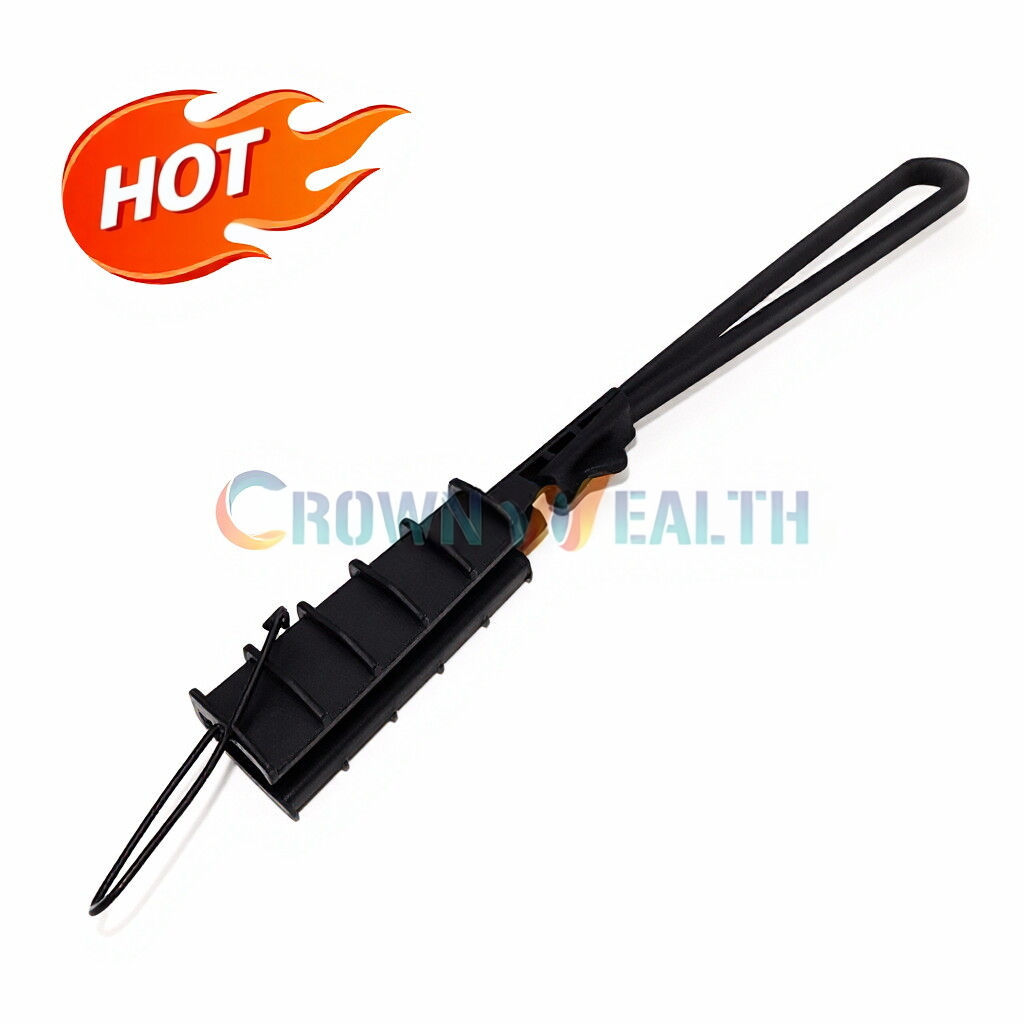
Cable guy grips are also essential for cable management. When cables are installed, they need to be held securely to prevent them from sagging or moving around. Cable guy grips provide a strong and reliable hold, ensuring that the cables stay in place. This not only protects the cables from damage but also helps in maintaining a stable connection, which is crucial for the proper functioning of any electrical or communication system.
However, it's not always a rosy picture. There are situations where protective fittings can potentially have a negative impact on performance. One factor to consider is the quality of the protective fitting. If a vibration damper is poorly designed or made from low - quality materials, it might not be able to effectively dampen vibrations. Instead, it could introduce additional vibrations or resonances, which can actually make the situation worse. Similarly, if a square spacer damper is not the right size or shape for the cables it's supposed to space, it might not maintain the proper distance between the cables, leading to interference and reduced performance.
Another aspect is the installation process. If protective fittings are not installed correctly, they can cause problems. For instance, if a cable guy grip is installed too tightly, it could damage the cable's insulation, leading to electrical faults. On the other hand, if it's installed too loosely, the cable might not be held securely, which can also affect performance.


The environment in which the protective fitting and the protected item operate also plays a role. Some protective fittings are designed for specific environmental conditions. If they're used in an environment that's outside of their design parameters, their performance can be compromised. For example, a vibration damper that's designed for indoor use might not work as well in a harsh outdoor environment with extreme temperatures and high humidity.
To minimize the potential negative impacts, it's important to choose the right protective fitting for the job. This means considering factors such as the type of equipment being protected, the operating conditions, and the expected performance requirements. It's also crucial to ensure that the installation is done correctly. That's where our expertise as a protective fitting supplier comes in. We offer a wide range of high - quality protective fittings, and we can provide guidance on the selection and installation process.
We understand that every application is unique, and we're committed to helping our customers find the best solutions for their needs. Whether you're looking for a vibration damper for your manufacturing equipment, a square spacer damper for your power lines, or cable guy grips for your cable installation, we've got you covered.
If you're in the market for protective fittings, don't hesitate to reach out. We can have a detailed discussion about your requirements, and we'll work with you to provide the best products and services. Our goal is to ensure that your equipment performs at its best while being well - protected. So, let's get in touch and start optimizing your systems today!
References
- Engineering textbooks on mechanical and electrical systems
- Industry standards and guidelines for protective fitting design and installation
- Technical papers on vibration damping and cable management