Installing a spiral vibration damper is a crucial task in ensuring the stability and longevity of overhead power lines and other cable systems. As a reliable supplier of Spiral Vibration Dampers, I am here to guide you through the installation process step by step.
Understanding the Spiral Vibration Damper
Before we dive into the installation process, it's essential to understand what a spiral vibration damper is and why it's necessary. A Spiral Vibration Damper is a mechanical device designed to reduce the vibration of cables caused by wind or other external forces. These vibrations can lead to fatigue and eventually damage the cables, so using a vibration damper is an effective way to prevent such issues.


Tools and Materials Required
- Spiral Vibration Damper: Ensure you have the correct type and size of the damper for your cable system.
- Safety Equipment: Gloves, safety glasses, and a hard hat are essential to protect yourself during the installation.
- Installation Tools: Depending on the specific damper and cable, you may need pliers, a wrench, or other specialized tools.
Preparation
- Inspect the Cable: Before installing the damper, carefully inspect the cable for any signs of damage or wear. If you find any issues, address them before proceeding with the installation.
- Determine the Installation Location: The location of the damper is critical for its effectiveness. Generally, it should be installed at a specific distance from the support structure, which is usually determined by the cable's span length and other factors. Consult the manufacturer's guidelines or engineering specifications to determine the exact location.
- Clean the Cable: Use a clean cloth to remove any dirt, grease, or debris from the cable surface where the damper will be installed. This will ensure a good fit and proper performance of the damper.
Installation Steps
- Open the Damper: Most spiral vibration dampers come in a pre - formed spiral shape. Gently open the damper to fit around the cable. Be careful not to damage the damper during this process.
- Position the Damper: Place the opened damper around the cable at the pre - determined installation location. Make sure the damper is centered and aligned properly with the cable.
- Close the Damper: Gradually close the damper around the cable, ensuring that it fits snugly. Use the appropriate tools, such as pliers, to secure the damper in place. Make sure all the coils of the damper are in contact with the cable and there are no gaps.
- Check the Tightness: After closing the damper, check its tightness. It should be tight enough to stay in place but not so tight that it damages the cable. You can use a torque wrench if specified by the manufacturer to ensure the correct tightness.
- Inspect the Installation: Once the damper is installed, visually inspect the installation to make sure everything is in order. Check for any signs of misalignment, loose coils, or other issues.
Additional Considerations
- Multiple Dampers: In some cases, multiple spiral vibration dampers may be required for a single cable. If this is the case, make sure to install them at the appropriate intervals as specified by the engineering design.
- Compatibility: Ensure that the damper is compatible with the cable material and size. Using an incompatible damper can lead to poor performance and potential damage to the cable.
- Maintenance: Regularly inspect the installed dampers for any signs of wear or damage. Replace any damaged dampers promptly to maintain the effectiveness of the vibration - damping system.
Related Products
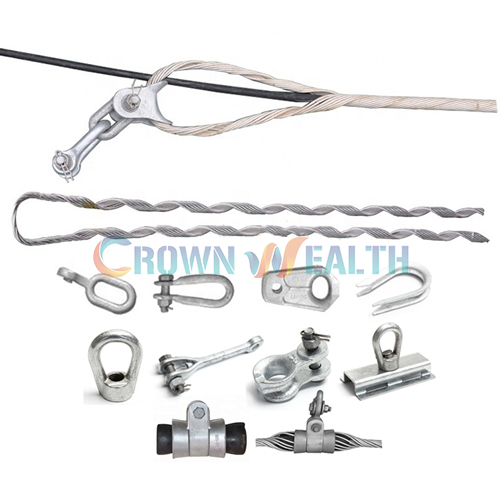
In addition to spiral vibration dampers, there are other protective fittings that can be used in conjunction with them to enhance the overall performance of the cable system. For example, Preformed Guy Grips are used to secure guy wires, which provide additional support to the power lines. Preformed Armor Rods can be used to protect the cable from abrasion and mechanical damage.
Contact for Procurement
If you are interested in purchasing high - quality spiral vibration dampers or other related protective fittings, we are here to assist you. Our products are designed to meet the highest industry standards and provide reliable performance. Whether you are working on a small - scale project or a large - scale power transmission system, we can offer the right solutions for your needs. Please feel free to contact us for more information and to start a procurement negotiation.
References
- "Overhead Power Line Design and Installation Manual", Industry Standard Publication
- Manufacturer's Installation Guidelines for Spiral Vibration Dampers