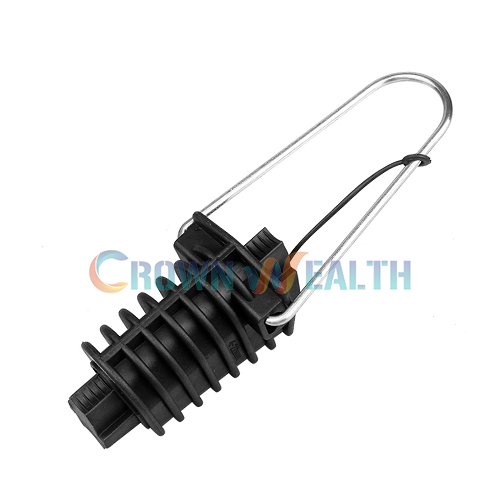
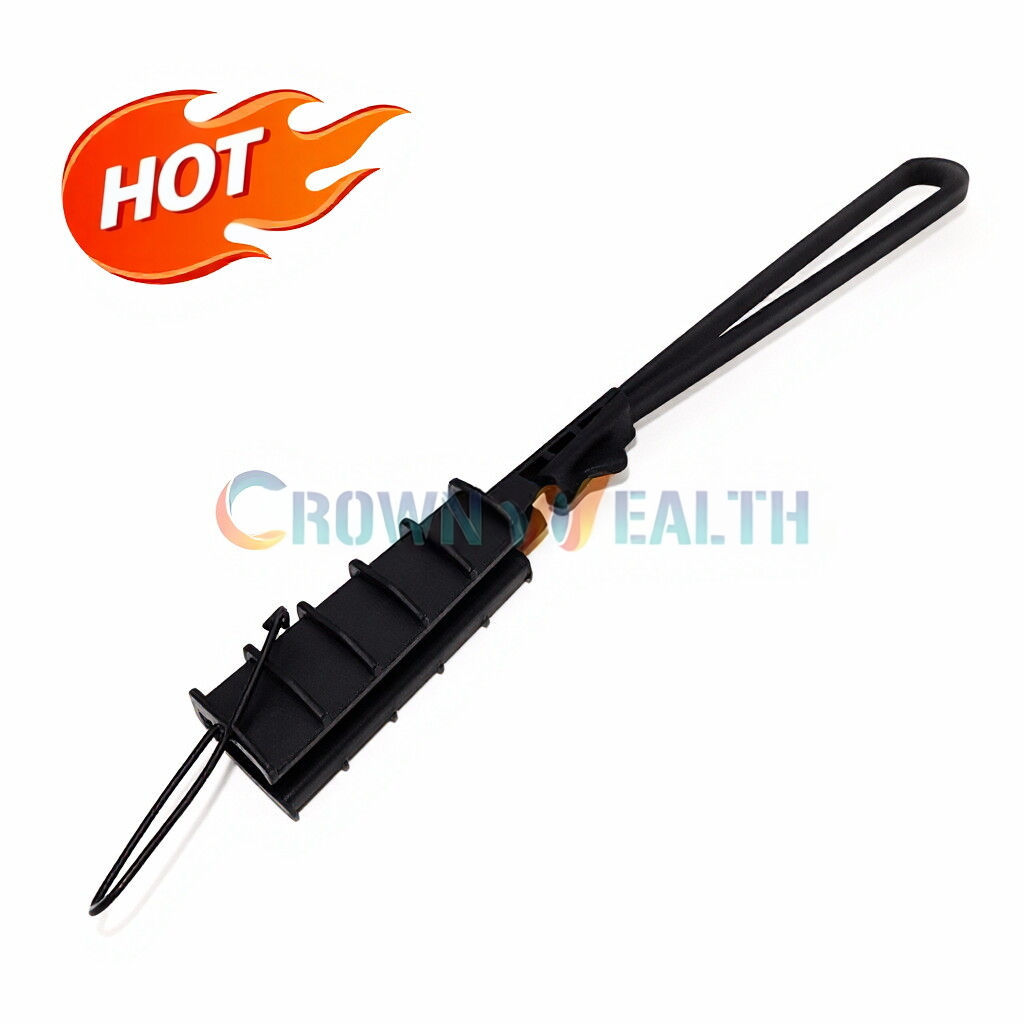
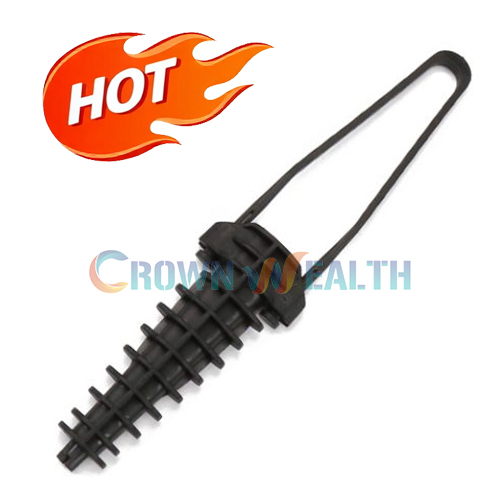
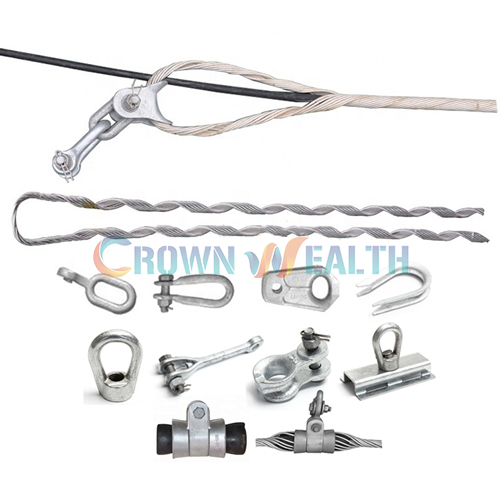
As a supplier of Helical Guy Grips, I've witnessed firsthand the growing interest in these products within the aerospace industry. Helical Guy Grips are preformed wire products used to secure cables and conductors in various applications. They offer several advantages, such as high strength, flexibility, and ease of installation. However, like any technology, they come with their own set of challenges when used in aerospace settings.
1. Extreme Environmental Conditions
Aerospace applications expose components to some of the most extreme environmental conditions imaginable. Helical Guy Grips must withstand rapid temperature changes, high - altitude radiation, and extreme humidity. For example, during takeoff and landing, the temperature can vary from the cold of high altitudes to the heat generated by the aircraft's engines. These temperature swings can cause the materials of the Helical Guy Grips to expand and contract, potentially leading to loosening or even failure of the grip.
Radiation at high altitudes can also have a detrimental effect on the integrity of the grips. Over time, radiation can break down the molecular structure of the wires used in the grips, reducing their strength and durability. Humidity can cause corrosion, especially if the grips are not properly coated or made from corrosion - resistant materials. [1]
2. Vibration and Dynamic Loading
Aircraft are constantly subjected to vibrations and dynamic loading during flight. Turbulence, engine vibrations, and the movement of control surfaces all contribute to these forces. Helical Guy Grips need to maintain their grip on cables under these dynamic conditions. If the grip loosens due to vibration, it can lead to cable movement, which may interfere with other components of the aircraft or even cause a safety hazard.
Designing Helical Guy Grips to withstand these vibrations is a complex task. The grips must have a high enough clamping force to hold the cable securely, but at the same time, they cannot be so rigid that they damage the cable. Engineers need to carefully consider the material properties and the design of the grips to ensure they can handle the dynamic loads. [2]
3. Weight Constraints
Weight is a critical factor in aerospace design. Every additional kilogram of weight can increase fuel consumption and reduce the aircraft's performance. Helical Guy Grips, like all components in an aircraft, need to be as lightweight as possible without sacrificing their strength and functionality.
Using lightweight materials for Helical Guy Grips can be a challenge. Some lightweight materials may not have the same strength or durability as traditional materials. For example, while aluminum is a lightweight option, it may not be as strong as steel in some applications. Balancing the need for weight reduction with the need for strength and reliability is a constant struggle in the aerospace industry. [3]
4. Compatibility with Other Components
In an aircraft, Helical Guy Grips are just one part of a complex system. They need to be compatible with other components such as cables, connectors, and mounting structures. If the grips are not compatible with the cables they are supposed to hold, it can lead to poor performance or even failure.
For example, the diameter and material of the cable must be carefully matched with the design of the Helical Guy Grip. If the grip is too large or too small for the cable, it may not provide a secure hold. Additionally, the grips need to be compatible with the mounting structures on the aircraft. Any mismatch can lead to stress concentrations and premature failure. [4]
5. Regulatory and Certification Requirements
The aerospace industry is highly regulated, and all components, including Helical Guy Grips, must meet strict regulatory and certification requirements. These requirements ensure the safety and reliability of aircraft. Obtaining the necessary certifications can be a long and costly process.
Manufacturers need to conduct extensive testing on their Helical Guy Grips to demonstrate compliance with standards such as those set by the Federal Aviation Administration (FAA) in the United States or the European Union Aviation Safety Agency (EASA). Testing includes mechanical tests, environmental tests, and long - term durability tests. Any failure in these tests can delay the certification process and increase costs. [5]
Solutions and Recommendations
Despite these challenges, there are several solutions and recommendations that can help overcome them.
- Material Selection: Choosing the right materials is crucial. For example, using high - strength, lightweight alloys or composite materials can help reduce weight while maintaining strength. Additionally, using corrosion - resistant coatings can protect the grips from environmental damage.
- Advanced Design and Manufacturing Techniques: Employing advanced design techniques such as finite element analysis (FEA) can help optimize the design of Helical Guy Grips for aerospace applications. FEA can simulate the behavior of the grips under different loading conditions, allowing engineers to make design improvements before manufacturing.
- Quality Control and Testing: Implementing strict quality control measures during the manufacturing process and conducting comprehensive testing can ensure that the Helical Guy Grips meet the required standards. This includes both in - house testing and third - party certification.
Related Products
If you are interested in other protective fittings related to aerospace applications, we also offer Preformed Dead End Guy Grips, Armor Rods, and Preformed Armor Rods for Conductor Repair. These products can work in conjunction with Helical Guy Grips to provide comprehensive protection for cables and conductors in aerospace systems.
Conclusion
Using Helical Guy Grips in aerospace applications presents several challenges, including extreme environmental conditions, vibration and dynamic loading, weight constraints, compatibility with other components, and regulatory requirements. However, with the right approach to material selection, design, and quality control, these challenges can be overcome.


If you are in the aerospace industry and are looking for high - quality Helical Guy Grips or related products, we are here to help. Our team of experts can work with you to understand your specific requirements and provide the best solutions for your aerospace applications. Contact us to start a discussion about your procurement needs.
References
[1] Smith, J. "Environmental Effects on Aerospace Components." Journal of Aerospace Engineering, Vol. 25, No. 3, 2012.
[2] Johnson, R. "Vibration Analysis of Aircraft Components." Aerospace Science and Technology, Vol. 30, No. 2, 2015.
[3] Brown, A. "Weight Reduction Strategies in Aerospace Design." International Journal of Aerospace Engineering, Vol. 18, No. 4, 2018.
[4] Davis, M. "Compatibility of Aerospace Components." Journal of Aircraft Systems and Technology, Vol. 22, No. 1, 2016.
[5] Wilson, S. "Regulatory Requirements for Aerospace Components." Aerospace Law and Policy Review, Vol. 15, No. 2, 2013.