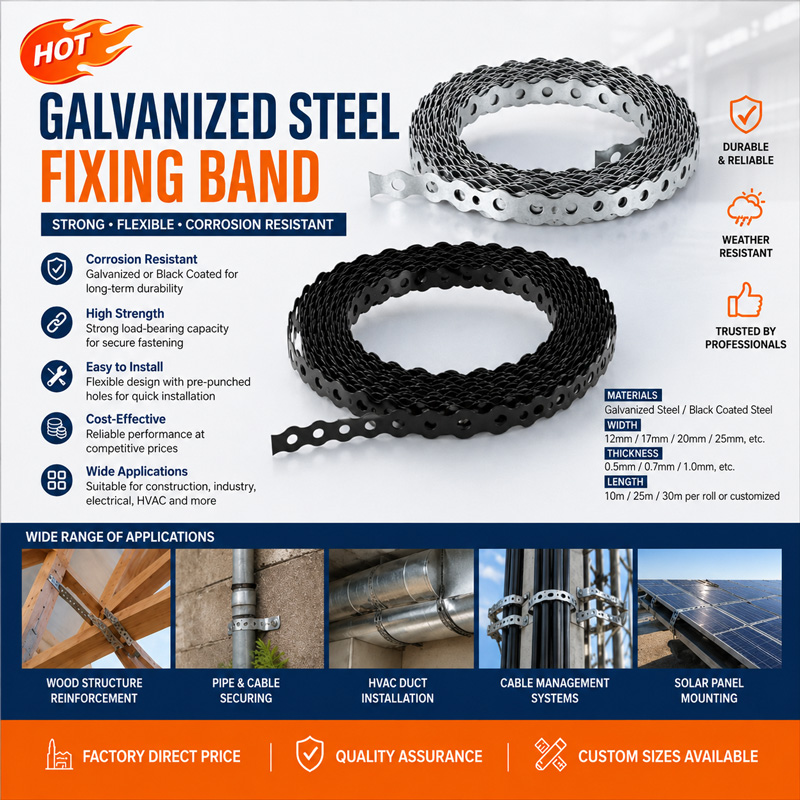
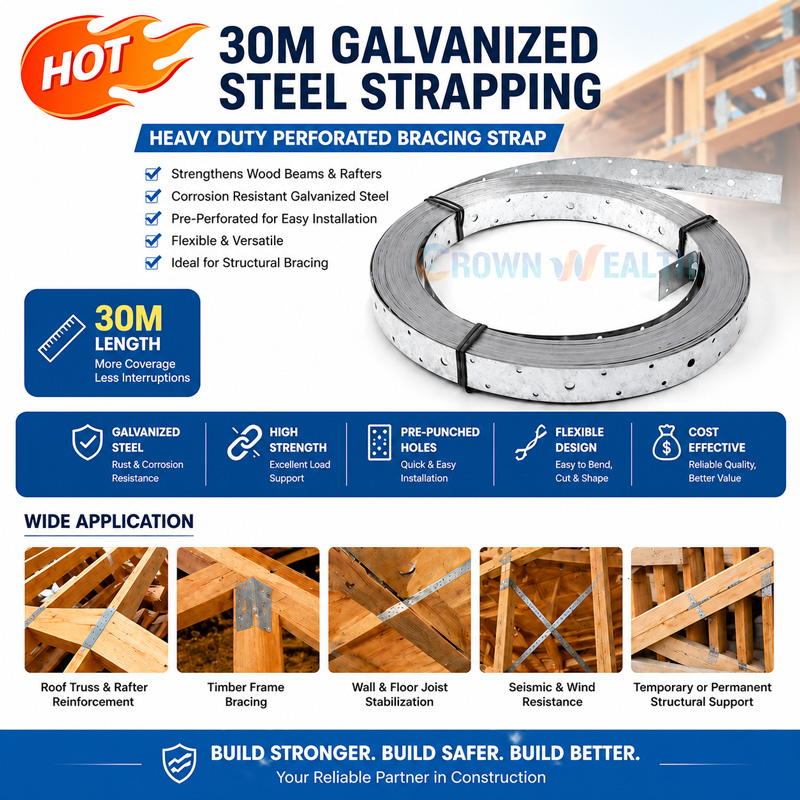
Hey there, folks! As a supplier of fastening fixtures for building construction, I've seen firsthand the importance of getting these little guys right. Fastening fixtures might seem like small components in the grand scheme of a building project, but they play a huge role in ensuring the safety, stability, and longevity of the entire structure. So, what exactly are the requirements for fastening fixtures in building construction? Let's dive in.
1. Strength and Durability
One of the most fundamental requirements for fastening fixtures is strength. They need to be able to withstand the loads and forces they'll be subjected to over the life of the building. Whether it's the weight of the structure itself, wind loads, seismic activity, or other external factors, the fastening fixtures must hold up.
For example, in high - rise buildings, the fixtures used to attach curtain walls need to be incredibly strong. They have to support the weight of the glass panels and resist wind pressure. We're talking about fixtures that can handle thousands of pounds of force without breaking or deforming.
Durability is also key. Building construction is a long - term investment, and the fastening fixtures should last as long as the building. This means they need to be resistant to corrosion, rust, and other forms of degradation. In coastal areas, where the air is salty, corrosion can be a major problem. So, we often recommend using stainless steel or galvanized fastening fixtures, which are more resistant to the corrosive effects of saltwater.
2. Compatibility
Fastening fixtures need to be compatible with the materials they're being used with. You can't just use any old screw or bolt on any surface. For instance, if you're attaching wood to metal, you need to choose a fixture that won't cause problems like galvanic corrosion. Galvanic corrosion occurs when two different metals are in contact with each other in the presence of an electrolyte (like moisture), and it can weaken the connection over time.
When it comes to concrete, special fasteners are required. Expansion anchors, for example, are designed to be inserted into pre - drilled holes in concrete and then expand to create a secure hold. These anchors come in different sizes and types, depending on the load requirements and the type of concrete.
3. Installation Requirements
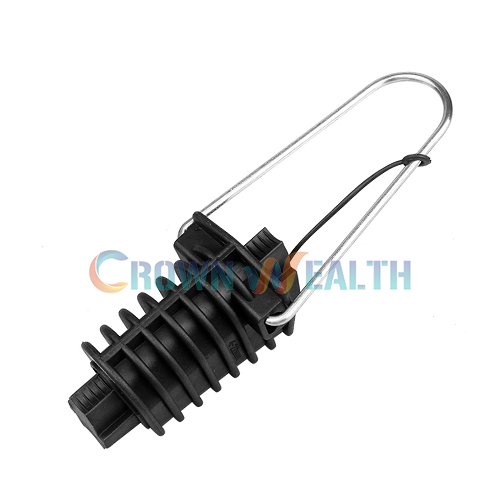
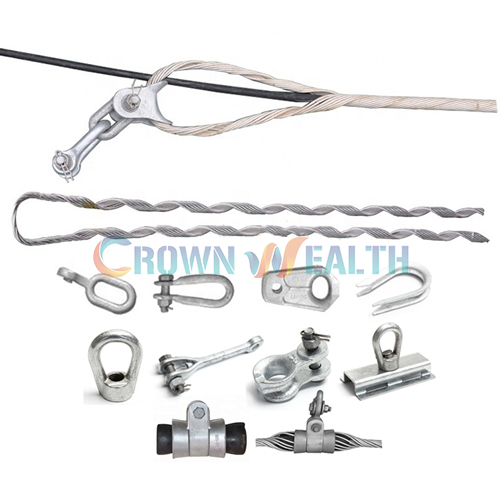
Proper installation is crucial for the performance of fastening fixtures. Each type of fixture has its own set of installation instructions, and these need to be followed carefully. For example, when installing a Overhead Line Suspension Clamp, you need to make sure it's tightened to the correct torque. If it's too loose, it won't hold the cable securely, and if it's too tight, it could damage the cable or the clamp itself.
Some fastening fixtures require special tools for installation. For example, powder - actuated fasteners use a powder charge to drive the fastener into the material. These tools need to be used by trained professionals to ensure safety and proper installation.
4. Code Compliance
Building codes are in place to ensure the safety of buildings and their occupants. Fastening fixtures need to comply with these codes. Different regions have different building codes, and it's the responsibility of the contractor and the supplier to make sure the fixtures meet these requirements.
For example, in earthquake - prone areas, there are specific codes regarding the use of fastening fixtures in building structures. These codes might require fixtures to have a certain level of flexibility to withstand seismic forces without failing.


5. Load - Bearing Capacity
The load - bearing capacity of a fastening fixture is the maximum amount of weight or force it can support. This is determined by factors such as the material of the fixture, its size, and its design. When selecting a fastening fixture, it's important to calculate the expected loads accurately.
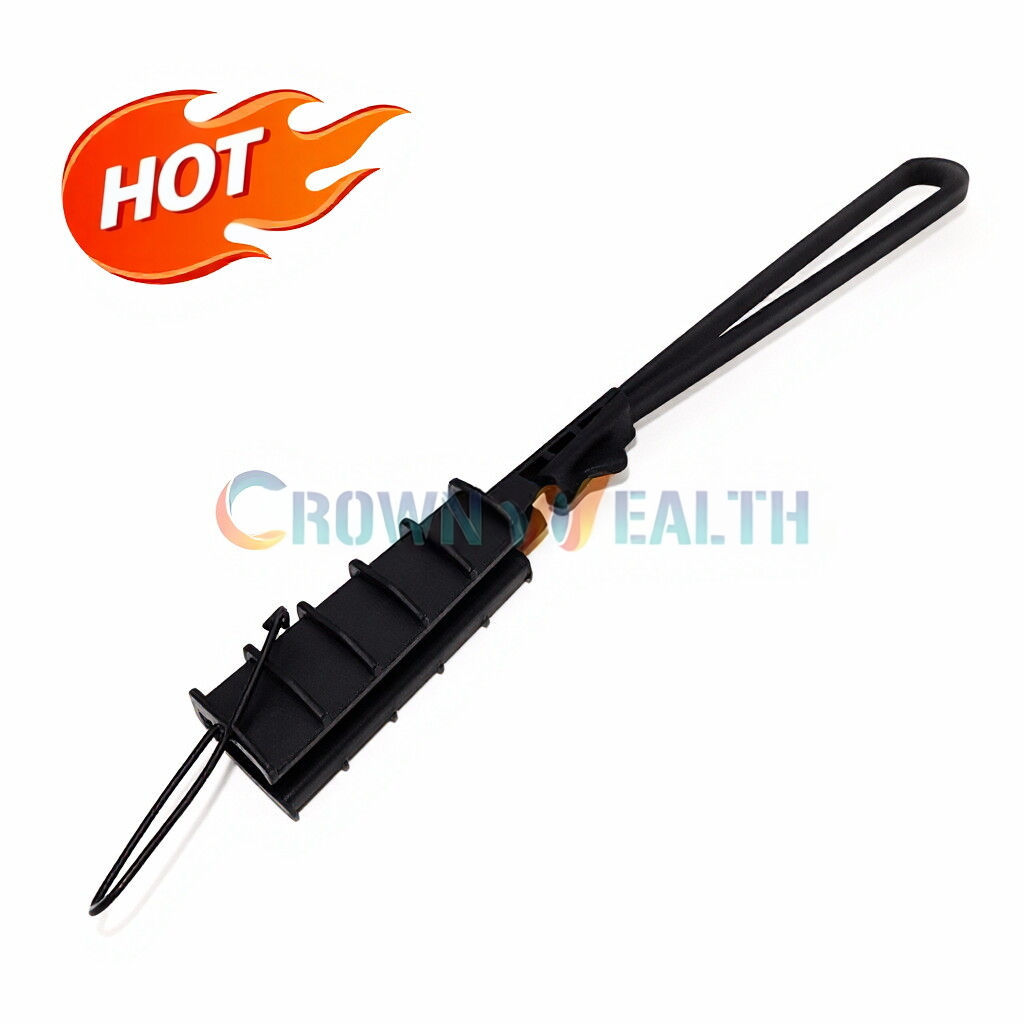
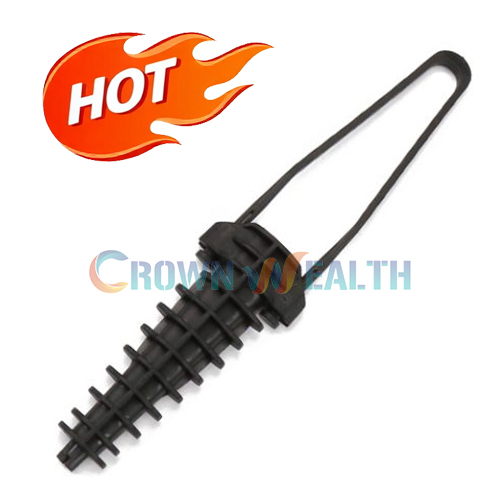
For a Dead - end for Medium and Long Span ADSS, the load - bearing capacity needs to be sufficient to support the tension of the fiber - optic cable over a long distance. If the load - bearing capacity is underestimated, the fixture could fail, leading to cable damage or even a safety hazard.
6. Aesthetic Requirements
In some cases, the appearance of the fastening fixtures matters. For example, in architectural projects where the fixtures are visible, they need to blend in with the overall design of the building. This might mean choosing fixtures with a certain finish or color.
In modern and minimalist designs, sleek and simple - looking fastening fixtures are often preferred. On the other hand, in more traditional or decorative buildings, fixtures with an ornate design might be used to enhance the aesthetic appeal.
7. Fire Resistance
Fire safety is a major concern in building construction. Fastening fixtures should have a certain level of fire resistance to prevent the spread of fire through the building. Some fixtures are designed to maintain their integrity for a certain period of time during a fire, which can help contain the fire and give occupants more time to evacuate.
For example, in commercial buildings, fire - rated anchors are often used to attach fire - resistant partitions. These anchors are tested to ensure they can withstand high temperatures without losing their holding power.
8. Ease of Maintenance
Fastening fixtures should be easy to maintain. This means they should be accessible for inspection and repair. In some cases, fixtures might need to be replaced over time, and it should be possible to do this without causing too much disruption to the building.
For example, in a ceiling grid system, the fastening fixtures that hold the ceiling panels should be easy to remove and replace if needed. If the fixtures are difficult to access or require special tools to remove, it can make maintenance a hassle and increase the cost.
9. Environmental Considerations
In today's world, environmental considerations are becoming increasingly important. Fastening fixtures should be made from sustainable materials whenever possible. This could mean using recycled materials or materials that are easily recyclable at the end of their life.
Some suppliers are also developing fixtures that have a lower carbon footprint. For example, fixtures that require less energy to manufacture or transport.
10. Testing and Certification
Before a fastening fixture can be used in building construction, it should be tested and certified. Testing ensures that the fixture meets the required standards for strength, durability, and other performance criteria. Certification is a way to provide assurance to contractors, architects, and building owners that the fixture is safe and reliable.
Many countries have their own testing and certification bodies. For example, in the United States, the International Code Council (ICC) provides certification for building products, including fastening fixtures.
If you're involved in a building construction project and are looking for high - quality fastening fixtures that meet all these requirements, we're here to help. We've got a wide range of products, including Overhead Line Suspension Clamp, Dead - end for Medium and Long Span ADSS, and Performed Suspension Clamp. We can work with you to find the right fixtures for your specific needs. Just reach out to us, and let's start the conversation about your project.
References
- Building Codes and Standards: Various national and regional building codes, such as the International Building Code (IBC) in the United States.
- Manufacturer's Specifications: Information provided by fastening fixture manufacturers regarding the performance and installation requirements of their products.
- Engineering Textbooks: Textbooks on structural engineering and building construction that cover the principles of fastening fixture design and use.