Hey there! As a vibration damper supplier, I've seen firsthand how these nifty devices can really change the game when it comes to a system's dynamic response. So, let's dig into how a vibration damper affects the dynamic response of a system.
What's a Vibration Damper Anyway?
Before we get into the nitty - gritty, let's quickly define what a vibration damper is. A vibration damper is a device designed to reduce or eliminate vibrations in a system. These vibrations can come from all sorts of sources, like rotating machinery, wind, or even seismic activity. There are different types of vibration dampers, such as viscous dampers, friction dampers, and tuned mass dampers, each with its own way of dealing with vibrations.
How Vibrations Mess with a System
Vibrations can cause a whole bunch of problems in a system. For starters, they can lead to increased wear and tear on components. Think about a machine with rotating parts. If there are excessive vibrations, the bearings and other moving parts will experience more stress, which can shorten their lifespan.
Vibrations can also affect the accuracy of a system. In precision manufacturing, for example, even small vibrations can cause errors in the machining process, leading to defective products. And in structures like bridges or buildings, vibrations can cause discomfort for the occupants and, in extreme cases, even pose a safety risk.
The Role of a Vibration Damper in Changing Dynamic Response
So, how does a vibration damper step in and save the day? Well, it all boils down to energy dissipation. When a system vibrates, it has kinetic energy associated with that motion. A vibration damper works by converting this kinetic energy into other forms of energy, usually heat.
Let's take a look at a simple example of a single - degree - of - freedom system. This is a basic model that can represent many real - world systems, like a mass attached to a spring. When the mass is displaced from its equilibrium position and then released, it starts to vibrate. Without a damper, these vibrations would continue indefinitely (assuming no other external forces).
But when we add a vibration damper to this system, things change. The damper resists the motion of the mass, and as it does so, it dissipates the energy of the vibration. This causes the amplitude of the vibrations to decrease over time. In other words, the system returns to its equilibrium position more quickly.


Impact on Frequency Response
Another important aspect of a system's dynamic response is its frequency response. Every system has a natural frequency at which it tends to vibrate most easily. If an external force acts on the system at or near its natural frequency, a phenomenon called resonance can occur. Resonance can cause the amplitude of the vibrations to increase dramatically, which can be very dangerous for the system.
A vibration damper can help to reduce the effects of resonance. By dissipating energy, it reduces the peak amplitude at the resonant frequency. This means that even if an external force is acting at or near the natural frequency of the system, the vibrations won't get out of control.
Real - World Applications
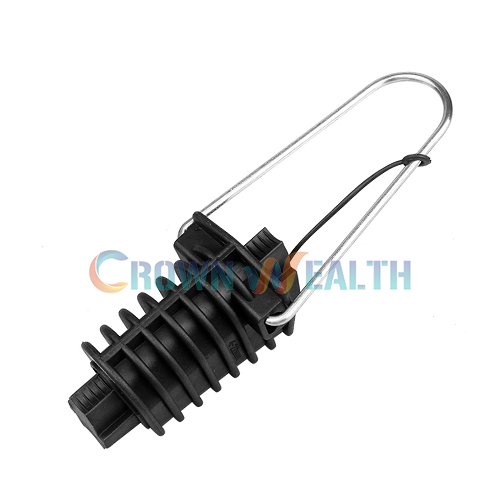
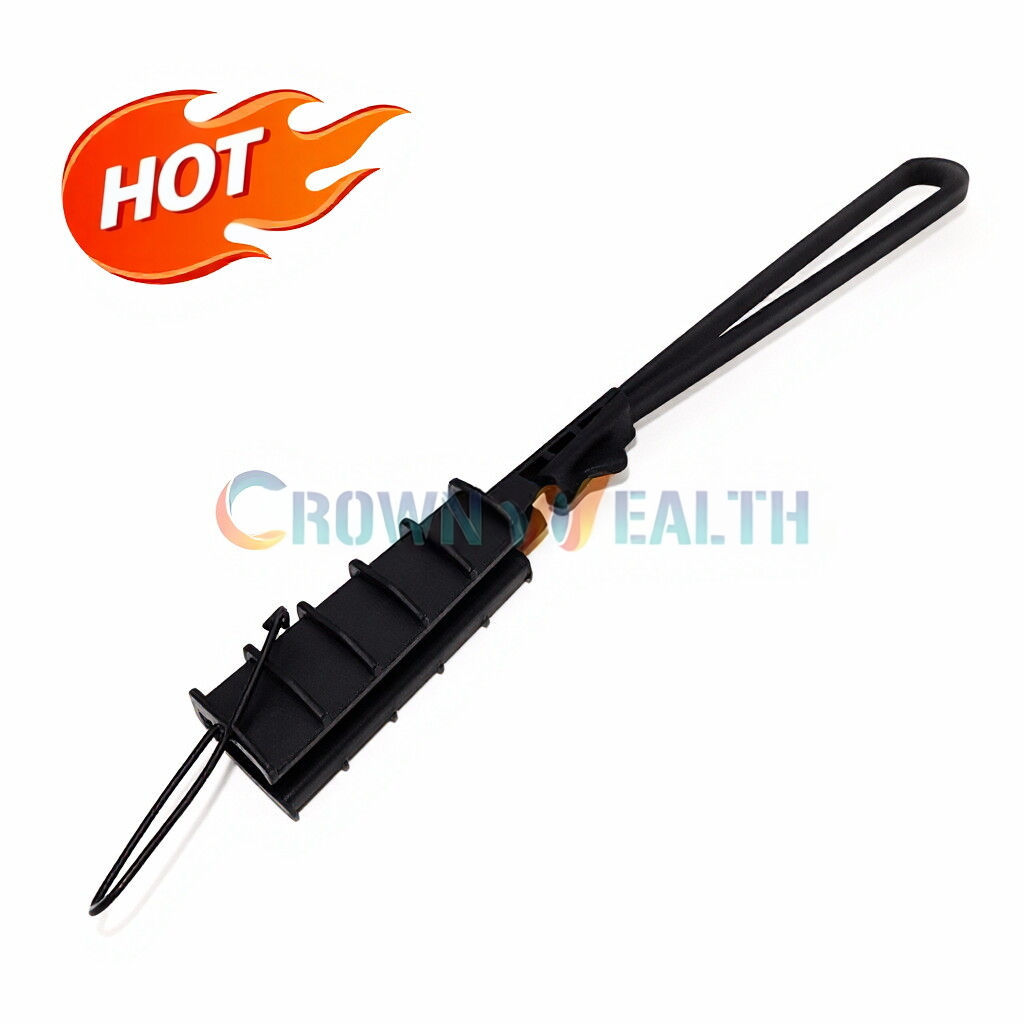
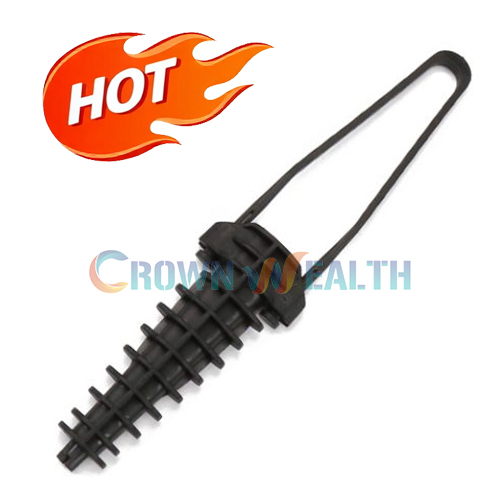
Let's talk about some real - world applications to see how vibration dampers make a difference. In the power transmission industry, for example, overhead power lines are often subject to vibrations caused by wind. These vibrations can lead to fatigue failure of the conductors. That's where vibration dampers come in. They're installed on the power lines to reduce the amplitude of the vibrations, protecting the conductors and extending their service life.
In the automotive industry, engines and other components generate a lot of vibrations. Vibration dampers are used to isolate these vibrations from the rest of the vehicle, providing a smoother and more comfortable ride for the passengers. And in the aerospace industry, vibration dampers are used in aircraft structures to reduce the effects of aerodynamic forces and engine vibrations, ensuring the safety and stability of the aircraft.
Our Company's Vibration Dampers
As a vibration damper supplier, we offer a wide range of high - quality dampers to meet the needs of different industries. Our dampers are designed with the latest technology and materials to provide efficient energy dissipation and reliable performance.
We understand that every system is unique, so we work closely with our customers to customize the dampers according to their specific requirements. Whether you're dealing with high - frequency vibrations in a precision instrument or low - frequency vibrations in a large structure, we've got you covered.
Related Products
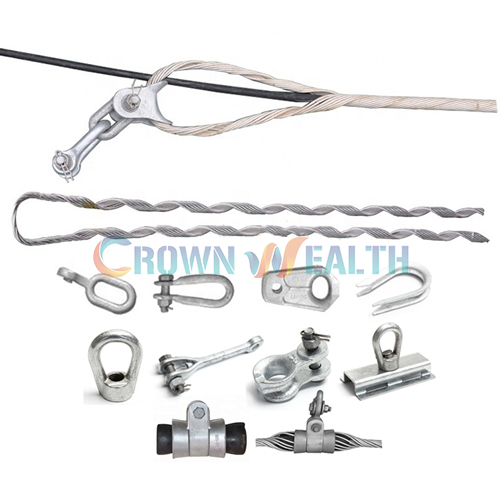
If you're also interested in other protective fittings for your systems, we have some great options. Check out our Preformed Armor Rods, which are used to protect conductors from mechanical damage. We also have Preformed Armor Rods for Conductor Repair, which are ideal for fixing damaged conductors. And don't forget our Preormed Armor, which provides additional protection for your systems.
Why Choose Us
We pride ourselves on our excellent customer service. Our team of experts is always available to answer your questions and provide technical support. We also offer competitive pricing and fast delivery times, so you can get the products you need when you need them.
Contact Us for Purchase and Negotiation
If you're in the market for vibration dampers or any of our other products, we'd love to hear from you. Whether you have a small project or a large - scale industrial application, we can help you find the right solution. Reach out to us, and let's start a conversation about how we can meet your needs.
References
- Meirovitch, L. (1986). Elements of Vibration Analysis. McGraw - Hill.
- Inman, D. J. (2014). Engineering Vibration. Pearson.
- Den Hartog, J. P. (1985). Mechanical Vibrations. Dover Publications.