As a supplier of Armor Rods, I understand the importance of choosing the right protective fitting for your electrical conductors. Armor Rods play a crucial role in safeguarding overhead power lines, preventing damage from various environmental factors and mechanical stresses. In this blog post, I will share some insights on how to choose the right Armor Rods for your specific needs.
Understanding the Function of Armor Rods
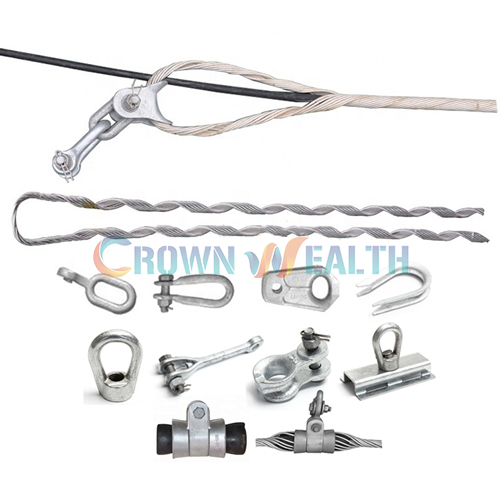
Armor Rods are pre - formed helical rods that are wrapped around electrical conductors. Their primary function is to protect the conductor from abrasion, vibration, and bending stresses. By distributing the mechanical forces evenly along the conductor, Armor Rods help to extend the lifespan of the conductor and reduce the risk of failure. They are commonly used in overhead transmission and distribution lines, as well as in other electrical applications where conductor protection is required.
Factors to Consider When Choosing Armor Rods
Conductor Size and Type
The first and most important factor to consider is the size and type of the conductor. Armor Rods are available in different sizes and configurations to fit various conductor diameters and materials. You need to accurately measure the outer diameter of your conductor and determine its material (such as aluminum, copper, or ACSR - Aluminum Conductor Steel Reinforced). Using the wrong size of Armor Rods can lead to improper fit, which may compromise the protection and performance of the conductor. For example, if the Armor Rods are too small, they may not provide sufficient coverage, while if they are too large, they may not grip the conductor tightly enough.
Environmental Conditions
The environmental conditions in which the conductors will operate also play a significant role in the selection of Armor Rods. If the area experiences high winds, heavy ice loading, or frequent vibrations, you need Armor Rods that can withstand these harsh conditions. For instance, in areas with high - wind speeds, Armor Rods with a high - strength design and good flexibility are preferred. In regions prone to ice storms, Armor Rods that can resist the additional weight and stress caused by ice accumulation are necessary.
Application Requirements
Different applications may have specific requirements for Armor Rods. For example, in some high - voltage transmission lines, the Armor Rods may need to have excellent electrical conductivity to minimize power losses. In other cases, where the conductors are exposed to corrosive environments, such as near the coast or in industrial areas, Armor Rods made of corrosion - resistant materials should be chosen.


Types of Armor Rods
Preformed Armor Rods
Preformed Armor Rods are one of the most popular types of Armor Rods. They are pre - formed into a helical shape, which allows for easy installation. These rods are designed to conform to the shape of the conductor, providing a snug fit and uniform protection. Preformed Armor Rods are available in a variety of materials, including aluminum alloy and steel, to suit different conductor types and environmental conditions.
Conventional Armor Rods
Conventional Armor Rods are typically made of straight rods that are bent and wrapped around the conductor during installation. While they may require more labor and time for installation compared to preformed ones, they can be a cost - effective option for some applications. However, it is important to ensure that the installation is done correctly to achieve the desired protection.
Compatibility with Other Fittings
When choosing Armor Rods, it is also important to consider their compatibility with other fittings in the electrical system. For example, if you are using Preformed End Guy Grips to secure the conductors, the Armor Rods should be able to work in harmony with these grips. Incompatible fittings can lead to problems such as uneven stress distribution, which may cause premature failure of the conductors or fittings.
Quality and Certification
The quality of the Armor Rods is of utmost importance. You should choose Armor Rods from a reliable supplier who adheres to strict quality control standards. Look for Armor Rods that are certified to meet relevant industry standards, such as ASTM or IEC standards. These certifications ensure that the Armor Rods have been tested and meet the required performance criteria.
Installation and Maintenance
Proper installation is crucial for the effectiveness of Armor Rods. Make sure that the installation is carried out by trained personnel who follow the manufacturer's instructions. After installation, regular maintenance is also necessary to ensure that the Armor Rods are in good condition. Inspect the Armor Rods periodically for signs of damage, such as corrosion, wear, or loosening. If any problems are detected, take appropriate measures to repair or replace the Armor Rods.
Cost - Benefit Analysis
While cost is an important consideration, it should not be the only factor when choosing Armor Rods. A cheaper option may seem attractive at first, but it may not provide the same level of protection and durability as a higher - quality product. Conduct a cost - benefit analysis by considering the long - term savings in terms of reduced maintenance and replacement costs. A high - quality Armor Rod may have a higher upfront cost but can save you money in the long run by preventing costly conductor failures.
Conclusion
Choosing the right Armor Rods is a complex decision that requires careful consideration of multiple factors. By understanding the function of Armor Rods, considering the conductor size and type, environmental conditions, application requirements, and other relevant factors, you can make an informed choice. At our company, we offer a wide range of high - quality Armor Rods that are designed to meet the diverse needs of our customers. If you are in the process of selecting Armor Rods for your electrical project, we encourage you to contact us for more information and to discuss your specific requirements. Our team of experts is ready to assist you in making the right choice and ensuring the long - term performance of your electrical conductors.
References
- ASTM International. (Year). Standards related to electrical conductors and protective fittings.
- International Electrotechnical Commission (IEC). (Year). Standards for electrical equipment and components.