Hey there! As a supplier of protective fittings, I often get asked whether these fittings actually work in high - pressure environments. Well, let's dive right into it and explore this topic together.
First off, what do we mean by high - pressure environments? These can be a variety of settings. In the industrial world, it could be pipelines carrying high - pressure fluids like oil or gas. In the electrical industry, high - voltage transmission lines are constantly under electrical pressure. And in the aerospace field, components are exposed to high atmospheric pressures during flight.
Now, let's talk about the role of protective fittings. Protective fittings are designed to safeguard equipment and structures from various forms of damage. They can prevent wear and tear, reduce the impact of vibrations, and protect against corrosion. But do they hold up in high - pressure situations?


Let's start with one of our popular products, the Square Spacer Damper. In high - pressure electrical transmission lines, the forces acting on the cables can be immense. Wind, ice, and electrical currents all contribute to creating a high - stress environment. The Square Spacer Damper is specifically engineered to keep the cables at a proper distance from each other. This not only prevents short - circuits but also reduces the mechanical stress on the cables. In high - pressure situations, it acts as a buffer, absorbing and dissipating the energy that could otherwise cause damage to the cables.
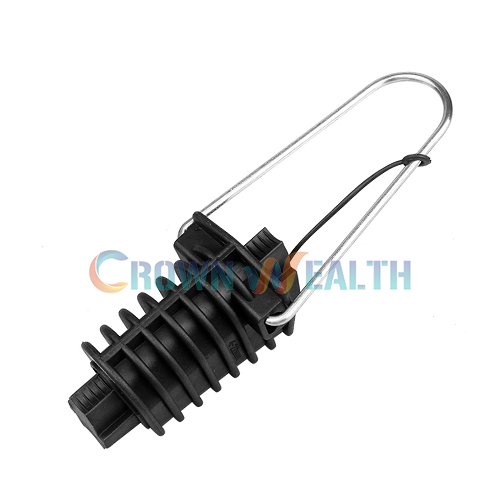
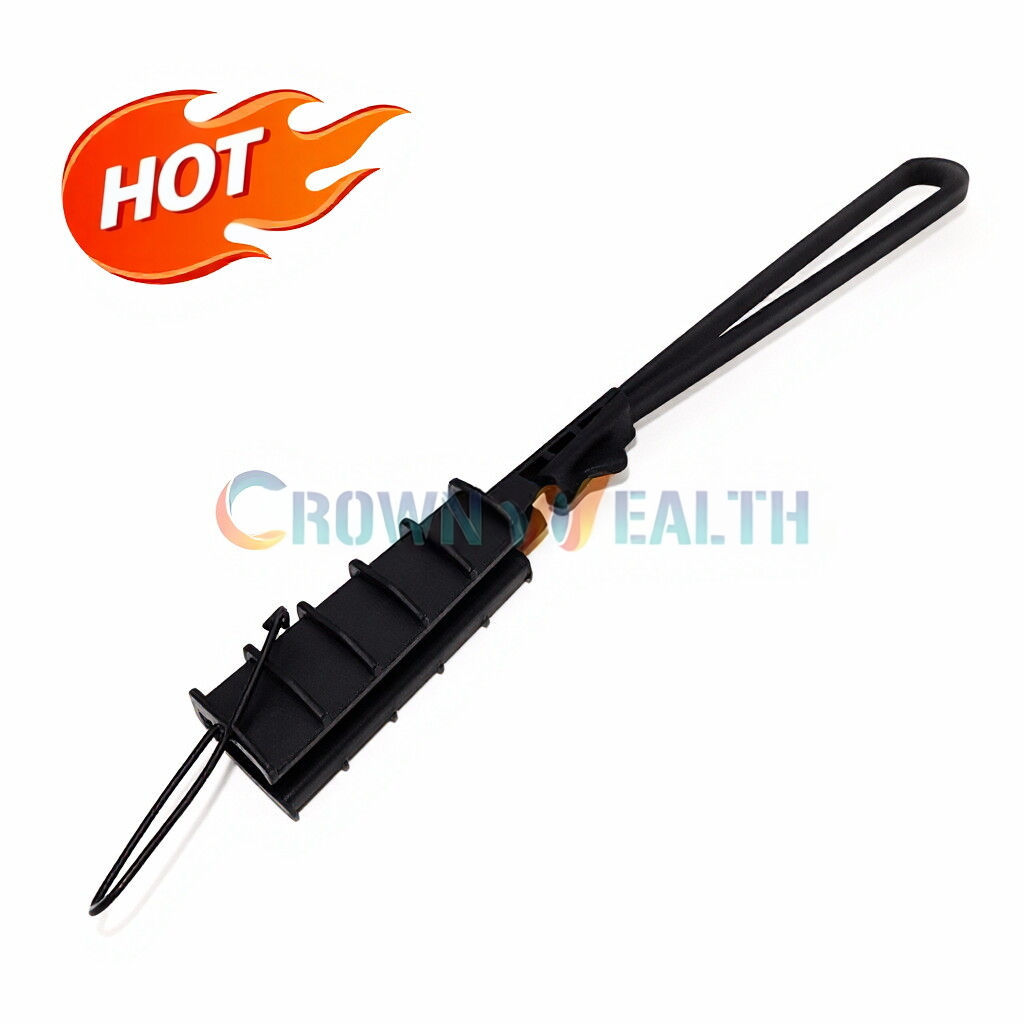
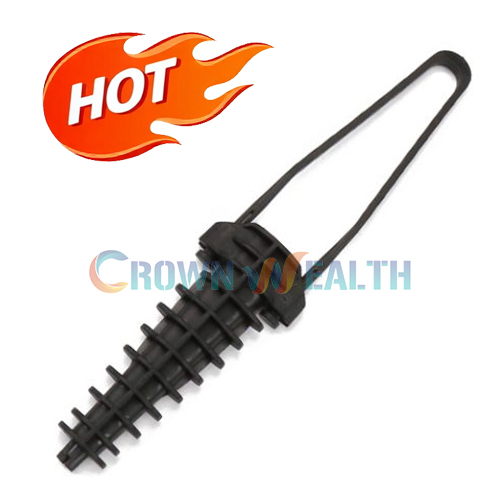
Another great product is the Cable Guy Grips. In high - pressure environments, especially in outdoor electrical installations, cables need to be firmly secured. The Cable Guy Grips provide a strong hold on the cables, preventing them from moving or sagging under high - pressure conditions. Whether it's due to strong winds or the weight of ice accumulation, these grips ensure that the cables stay in place. This is crucial because any movement of the cables can lead to increased stress on the connections, which could ultimately result in system failures.
The Vibration Damper is also a key player in high - pressure environments. Vibrations can be a major problem in high - pressure systems. In pipelines, for example, the flow of high - pressure fluids can cause the pipes to vibrate. Over time, these vibrations can lead to fatigue and cracking of the pipes. The Vibration Damper is designed to absorb and dampen these vibrations. By reducing the amplitude of the vibrations, it extends the lifespan of the pipes and other components in the system.
But how do we know that these protective fittings actually work in high - pressure environments? Well, we've conducted a series of tests. In our in - house laboratory, we simulate high - pressure conditions similar to those found in real - world applications. We subject our products to extreme pressures, temperatures, and vibrations. The results have been very promising. Our protective fittings have consistently shown the ability to withstand high - pressure situations and perform their intended functions.
For instance, in a test simulating a high - pressure electrical transmission line, the Square Spacer Damper maintained its position and effectively kept the cables separated even under high - wind conditions. The Cable Guy Grips held the cables firmly, preventing any movement that could have led to electrical arcing. And the Vibration Damper significantly reduced the vibrations in a mock pipeline system, protecting the pipes from potential damage.
In addition to our in - house tests, we also have real - world case studies. Many of our customers have reported positive experiences with our protective fittings in high - pressure environments. One customer who operates a large - scale oil pipeline told us that after installing our Vibration Dampers, they noticed a significant reduction in pipe maintenance costs. The dampers were able to prevent the vibrations that were causing premature wear and tear on the pipes.
However, it's important to note that the effectiveness of protective fittings in high - pressure environments also depends on proper installation and maintenance. If the fittings are not installed correctly, they may not perform as expected. For example, if the Cable Guy Grips are not tightened properly, they may not be able to hold the cables securely. And regular maintenance is essential to ensure that the fittings are in good working condition. This includes inspecting for any signs of wear, corrosion, or damage and replacing the fittings as needed.
So, to answer the question, yes, protective fittings do work in high - pressure environments. They play a crucial role in protecting equipment and structures from the harsh conditions of high - pressure settings. Whether it's in the electrical, industrial, or aerospace sectors, our protective fittings have proven their worth.
If you're in need of protective fittings for your high - pressure applications, don't hesitate to get in touch. We have a wide range of products to meet your specific needs. Our team of experts can help you choose the right fittings and provide you with installation and maintenance guidance. Let's work together to ensure the safety and reliability of your high - pressure systems.
References:
- Internal test reports from our in - house laboratory
- Customer case studies provided by our clients