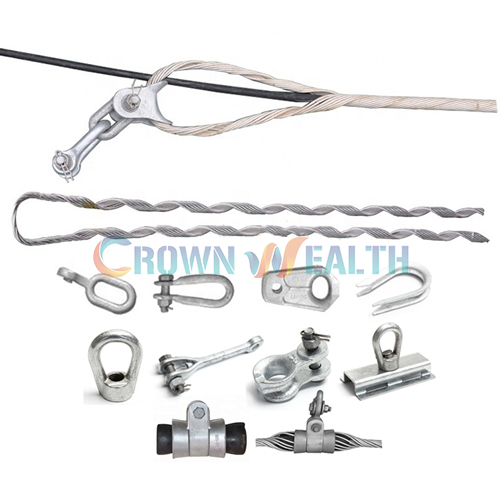
As a supplier of Double Yoke Plates, I understand the importance of maintaining these crucial components in top - notch condition. Double Yoke Plates are widely used in various industries, including construction, marine, and transportation, for their ability to provide reliable connection and support. Over time, however, these plates can accumulate dirt, rust, and other contaminants that may compromise their performance and longevity. In this blog, I will share some effective methods on how to clean Double Yoke Plates.
Understanding the Contaminants
Before we start the cleaning process, it's essential to understand the types of contaminants that Double Yoke Plates may encounter. Common contaminants include:


- Dirt and Dust: These are the most basic contaminants. They can accumulate on the surface of the plates during storage or use, especially in dusty environments such as construction sites.
- Rust: If the Double Yoke Plates are made of metal and are exposed to moisture or harsh weather conditions, rust can form. Rust not only affects the appearance of the plates but also weakens their structural integrity.
- Grease and Oil: In industrial settings, Double Yoke Plates may come into contact with grease and oil from machinery. These substances can attract more dirt and make the plates difficult to clean.
Pre - cleaning Preparation
- Safety First: Wear appropriate personal protective equipment (PPE), such as gloves and safety glasses, to protect yourself from potential hazards during the cleaning process.
- Inspection: Thoroughly inspect the Double Yoke Plates for any signs of damage, such as cracks or deformation. If you find any damaged plates, they should be replaced rather than cleaned, as cleaning may not restore their functionality.
- Remove Loose Debris: Use a brush or compressed air to remove any loose dirt, dust, or debris from the surface of the plates. This will make the subsequent cleaning steps more effective.
Cleaning Methods
Manual Cleaning
- Soap and Water: For light dirt and dust, a simple solution of mild soap and water can be very effective. Dip a soft cloth or sponge into the soapy water and gently scrub the surface of the Double Yoke Plates. Rinse the plates thoroughly with clean water to remove any soap residue.
- Vinegar Solution: Vinegar is a natural and inexpensive cleaning agent that can help remove rust and stains. Mix equal parts of white vinegar and water in a spray bottle. Spray the solution onto the rusty areas of the Double Yoke Plates and let it sit for a few minutes. Then, use a brush to scrub the rusted areas. Rinse the plates with water to neutralize the vinegar.
Mechanical Cleaning
- Wire Brushing: For more stubborn rust and dirt, a wire brush can be used. Choose a wire brush with the appropriate stiffness for the level of contamination. Gently brush the surface of the plates in a circular motion to remove the rust and dirt. Be careful not to scratch the surface of the plates too deeply, as this may damage the protective coating.
- Sandblasting: Sandblasting is a more aggressive cleaning method that can effectively remove heavy rust, paint, and other contaminants. However, it should be used with caution, as it can also damage the surface of the plates if not done properly. Professional sandblasting equipment and techniques are usually required for this method.
Chemical Cleaning
- Rust Converters: Rust converters are chemical solutions that can convert rust into a stable compound. Apply the rust converter to the rusty areas of the Double Yoke Plates according to the manufacturer's instructions. Let the solution dry completely, and then rinse the plates with water.
- Solvents: For grease and oil removal, solvents such as mineral spirits or degreasers can be used. Apply the solvent to a cloth and wipe the greasy areas of the plates. Be sure to work in a well - ventilated area, as solvents can be harmful if inhaled.
Post - cleaning Treatment
- Drying: After cleaning, make sure the Double Yoke Plates are completely dry. Moisture left on the plates can lead to new rust formation. You can use a clean cloth to dry the plates or let them air - dry in a well - ventilated area.
- Coating: To prevent future rust and corrosion, apply a protective coating to the cleaned Double Yoke Plates. There are various types of coatings available, such as paint, powder coating, and galvanizing. Hot Dip Galvanized Thimble is a good example of a product that uses hot - dip galvanizing as a protective coating. This process involves immersing the metal in molten zinc, which provides a long - lasting and durable protective layer.
Maintenance Tips
- Regular Inspection: Conduct regular inspections of the Double Yoke Plates to detect any signs of contamination or damage early. This will allow you to take appropriate measures before the problem becomes more serious.
- Proper Storage: Store the Double Yoke Plates in a dry and clean environment. If possible, keep them off the ground to prevent moisture from accumulating.
- Lubrication: If the Double Yoke Plates are used in moving parts, proper lubrication can help reduce friction and prevent wear and tear. Use a suitable lubricant according to the manufacturer's recommendations.
Additional Considerations for Different Applications
- Marine Applications: In marine environments, Double Yoke Plates are exposed to saltwater, which can cause rapid corrosion. In addition to the above cleaning and maintenance methods, it is recommended to use corrosion - resistant materials and coatings. ZH Ball Eyes are often used in marine applications and are designed to withstand the harsh marine environment.
- Construction Applications: In construction sites, Double Yoke Plates may be exposed to concrete, mortar, and other building materials. These substances can be difficult to clean. In such cases, use a specialized cleaner that is designed to remove these types of contaminants.
Conclusion
Cleaning Double Yoke Plates is an important part of maintaining their performance and longevity. By following the methods and tips outlined in this blog, you can effectively clean your Double Yoke Plates and ensure their proper functioning. Whether you are using the plates in construction, marine, or other industries, proper cleaning and maintenance will save you time and money in the long run.
If you are in the market for high - quality Double Yoke Plates or other related products such as Ring Monoblock Forging, we are here to help. We offer a wide range of products with excellent quality and competitive prices. Contact us for more information and to discuss your procurement needs.
References
- "Industrial Cleaning Handbook" by John Smith
- "Corrosion Prevention and Control in Metal Products" by Jane Doe