As a long - standing supplier of ADSS Fastening Clamps, I've been asked numerous times about the fire - resistant properties of our products. This is a crucial question, especially considering the environments in which ADSS (All - Dielectric Self - Supporting) cables and their associated clamps are often installed. In this blog, I'll delve into the science behind the fire - resistance of ADSS Fastening Clamps, exploring the materials used, industry standards, and real - world applications.
Understanding ADSS Fastening Clamps
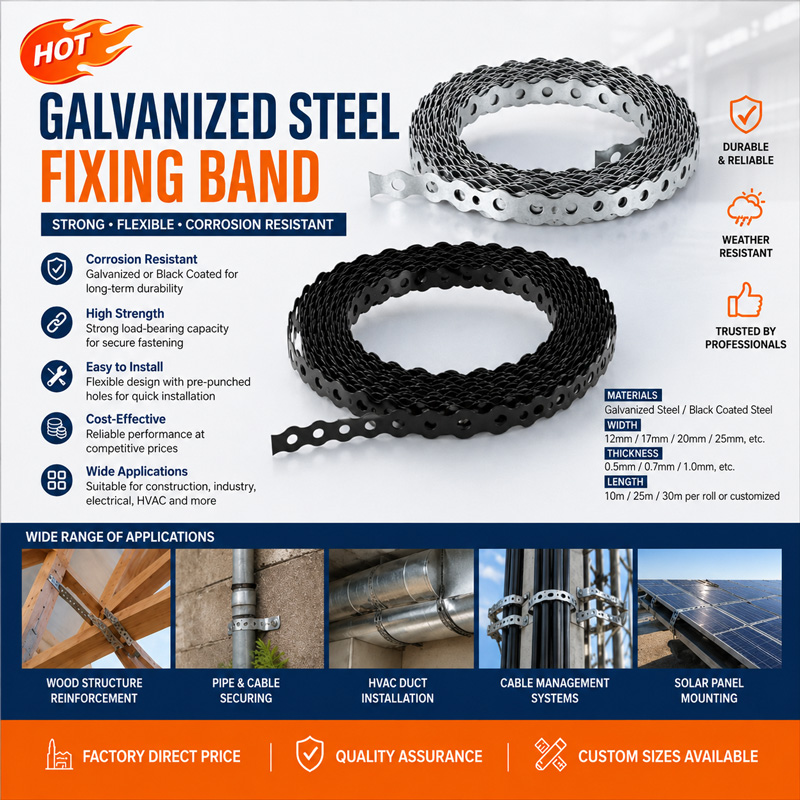
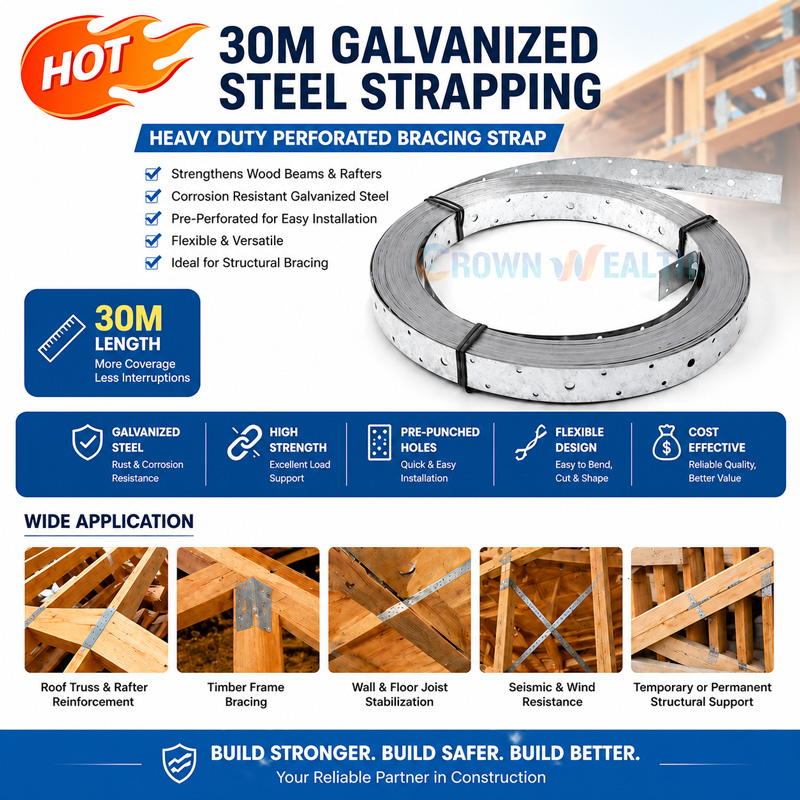
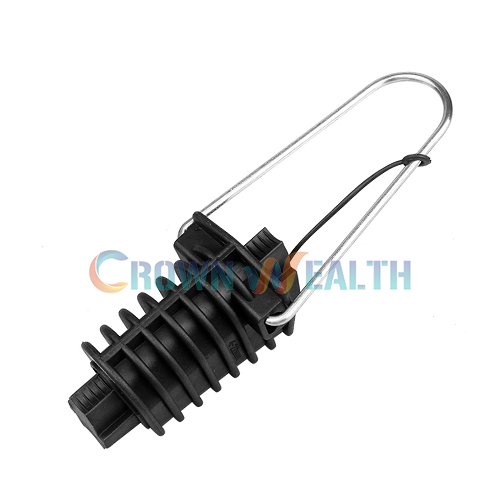
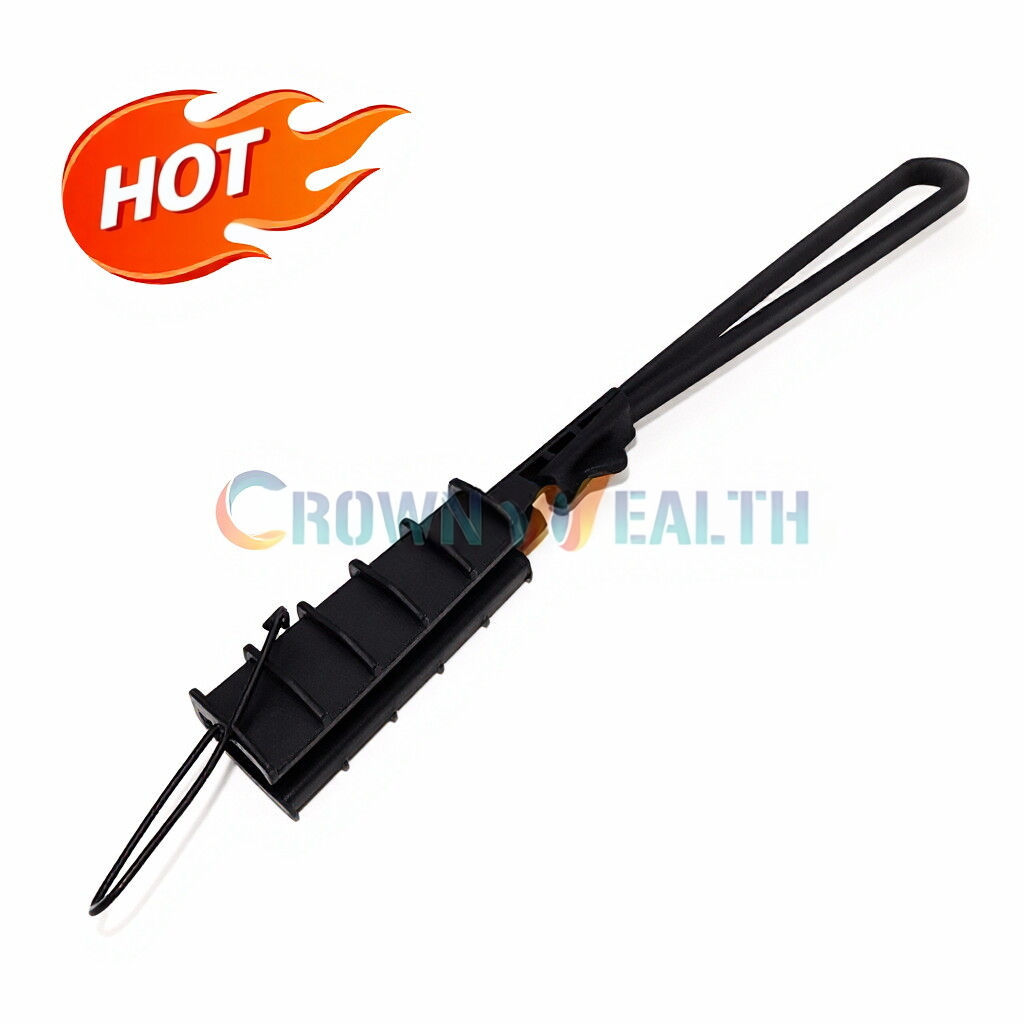
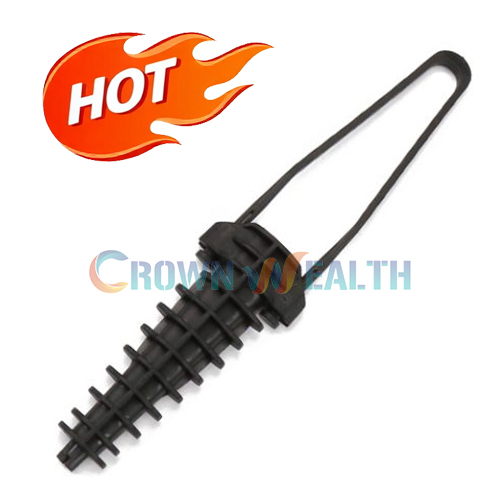
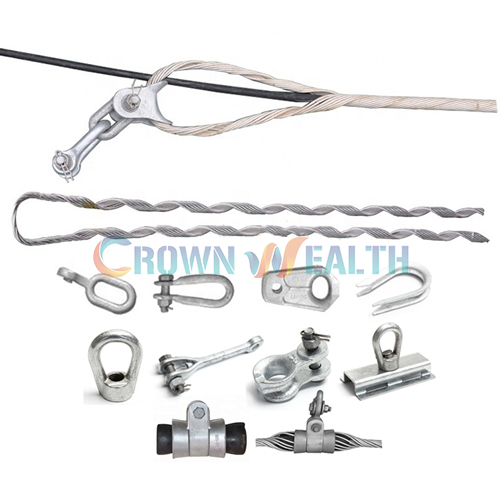
Before we discuss fire - resistance, it's essential to understand what ADSS Fastening Clamps are. These clamps are designed to secure ADSS fiber optic cables in place. They come in various types, such as Fastening Fixture, ADSS Suspension Clamp, and ADSS Down Lead Clamp. Each type has a specific function, whether it's suspending the cable from a pole, securing it at a joint, or guiding it down a structure.
ADSS cables are commonly used in power utility applications, along transmission lines, and in other outdoor settings where they are exposed to various environmental factors. The fastening clamps need to be durable and reliable to ensure the long - term stability of the cable installation.
Materials Used in ADSS Fastening Clamps
The fire - resistance of ADSS Fastening Clamps largely depends on the materials from which they are made. Most high - quality ADSS clamps are constructed from materials that have inherent fire - resistant properties or are treated to be fire - retardant.
Metals
Many ADSS clamps are made of metals such as aluminum or stainless steel. These metals are naturally fire - resistant. Aluminum has a high melting point and does not burn easily. Stainless steel, on the other hand, is known for its excellent heat resistance and corrosion resistance. When exposed to fire, these metals can maintain their structural integrity for a certain period, which is crucial for preventing the collapse of the cable support system.
Plastics and Polymers
Some parts of ADSS clamps, especially those used for insulation or cushioning, may be made of plastics or polymers. However, not all plastics are fire - resistant. For our clamps, we use fire - retardant plastics. These plastics are formulated with additives that inhibit combustion. When exposed to a flame, they either do not ignite or self - extinguish quickly once the flame source is removed.
Industry Standards for Fire - Resistance
There are several industry standards that govern the fire - resistance requirements for electrical and cable - related products, including ADSS Fastening Clamps.
UL Standards
The Underwriters Laboratories (UL) has developed a series of standards for fire - resistance testing. For example, UL 94 is a widely recognized standard for flammability of plastic materials. Products that meet UL 94 standards are classified based on their flammability performance, such as V - 0 (the highest level of fire - retardancy, where the material stops burning within 10 seconds after the flame is removed) and V - 2 (the material stops burning within 30 seconds).
IEC Standards
The International Electrotechnical Commission (IEC) also has standards related to fire - resistance in electrical installations. IEC 60332 is a standard that tests the ability of cables and their associated components to withstand fire without spreading the flame. ADSS Fastening Clamps need to comply with these standards to be used in many international projects.
Real - World Testing and Applications
To ensure the fire - resistance of our ADSS Fastening Clamps, we conduct rigorous real - world testing. We expose the clamps to controlled fire conditions in our testing facilities. These tests simulate the worst - case scenarios that the clamps may encounter in actual installations.
In real - world applications, ADSS Fastening Clamps are often installed in areas where there is a risk of fire, such as near power substations or in industrial areas. For example, in a power substation, a fire could break out due to electrical faults. If the ADSS clamps are not fire - resistant, the cable support system could fail, leading to the disruption of communication and power systems.
Advantages of Fire - Resistant ADSS Fastening Clamps
Safety
The most obvious advantage of fire - resistant ADSS Fastening Clamps is safety. In the event of a fire, these clamps can prevent the spread of the fire through the cable support system. They can also maintain the integrity of the cable, ensuring that communication and monitoring systems remain operational for as long as possible, which is crucial for emergency response.
Long - Term Reliability
Fire - resistant clamps are more durable in high - temperature environments. They are less likely to be damaged by heat, which means they can provide long - term support for the ADSS cables. This reduces the need for frequent replacements and maintenance, saving both time and money for the end - users.


Conclusion
In conclusion, our ADSS Fastening Clamps are indeed fire - resistant. Through the use of high - quality materials, compliance with industry standards, and rigorous testing, we ensure that our clamps can withstand fire conditions and provide reliable support for ADSS cables.
If you are in need of ADSS Fastening Clamps for your project, we invite you to contact us for procurement and further discussion. Our team of experts is ready to assist you in selecting the right products for your specific requirements.
References
- Underwriters Laboratories (UL) standards documentation.
- International Electrotechnical Commission (IEC) standards documentation.
- Internal testing reports of our ADSS Fastening Clamps.