Spiral Vibration Dampers are crucial components in various industries, especially in power transmission and communication systems. They play a vital role in reducing the vibrations of overhead lines, cables, and other structures, which helps to extend the service life of these components and ensure the stability of the overall system. One of the key factors that affect the performance and reliability of Spiral Vibration Dampers is the temperature. In this blog, we will explore what the temperature limit for Spiral Vibration Dampers is and why it matters.
Understanding Spiral Vibration Dampers
Before diving into the temperature limits, let's briefly understand how Spiral Vibration Dampers work. These dampers are typically made of high - strength materials such as steel or aluminum. They are designed to absorb and dissipate the energy generated by vibrations. When an overhead line or cable vibrates due to wind, electrical forces, or other external factors, the Spiral Vibration Damper starts to oscillate. Through this oscillation, it converts the kinetic energy of the vibration into heat energy, which is then dissipated into the surrounding environment.


The Importance of Temperature Limits
Temperature can have a significant impact on the performance of Spiral Vibration Dampers. At extremely high temperatures, the material properties of the damper may change. For example, the strength of the metal may decrease, and the elasticity may be affected. This can lead to a reduction in the damper's ability to absorb and dissipate vibration energy. On the other hand, at extremely low temperatures, the material may become brittle, increasing the risk of cracking or breaking.
Determining the Temperature Limit
The temperature limit for Spiral Vibration Dampers is not a fixed value and can vary depending on several factors:
Material of the Damper
- Steel Dampers: Steel is a commonly used material for Spiral Vibration Dampers. High - quality steel dampers can generally withstand a wide range of temperatures. In general, they can operate effectively in temperatures ranging from - 40°C to 80°C. At temperatures below - 40°C, the steel may become brittle, and the risk of fracture increases. Above 80°C, the mechanical properties of the steel may start to degrade, reducing the damper's performance.
- Aluminum Dampers: Aluminum dampers are lighter than steel dampers and have good corrosion resistance. They usually have a more limited temperature range compared to steel dampers. Typically, they can work well in temperatures between - 20°C and 60°C. At lower temperatures, aluminum may lose its ductility, and at higher temperatures, its strength may decrease significantly.
Coating and Surface Treatment
Some Spiral Vibration Dampers are coated or surface - treated to improve their performance, such as corrosion resistance. The coating can also affect the temperature limit. For example, a special heat - resistant coating can increase the upper temperature limit of the damper. However, if the coating is not properly selected or applied, it may peel off or degrade at extreme temperatures, which can in turn affect the damper's performance.
Operating Environment
The operating environment also plays a role in determining the temperature limit. If the damper is installed in an area with high solar radiation, the actual temperature of the damper may be much higher than the ambient temperature. In addition, if the damper is exposed to chemical substances or pollutants in the environment, these factors can interact with the temperature and affect the damper's performance.
Effects of Exceeding the Temperature Limit
If the temperature exceeds the limit of the Spiral Vibration Damper, several negative effects may occur:
Reduced Vibration Damping Performance
As mentioned earlier, the change in material properties at extreme temperatures can lead to a decrease in the damper's ability to absorb and dissipate vibration energy. This means that the vibrations of the overhead line or cable may not be effectively controlled, which can cause fatigue damage to the line or cable over time.
Structural Damage
At high temperatures, the damper may deform due to the softening of the material. At low temperatures, the brittle material may crack or break. Structural damage to the damper can render it completely ineffective and may even pose a safety hazard, such as the damper falling off and causing damage to other equipment or endangering personnel.
Ensuring Safe Operation within the Temperature Limit
To ensure that Spiral Vibration Dampers operate safely within the temperature limit, the following measures can be taken:
Proper Selection of Dampers
When selecting Spiral Vibration Dampers, it is essential to consider the expected temperature range of the operating environment. If the area has extreme temperature conditions, choose dampers made of materials with a wider temperature tolerance, such as high - grade steel dampers.
Monitoring and Maintenance
Regularly monitor the temperature of the dampers. This can be done using temperature sensors. If the temperature approaches or exceeds the limit, take appropriate measures, such as adjusting the installation position of the damper or providing additional cooling or heating devices. In addition, conduct regular maintenance to check for any signs of damage or degradation caused by temperature.
Related Products in the Protective Fitting Category
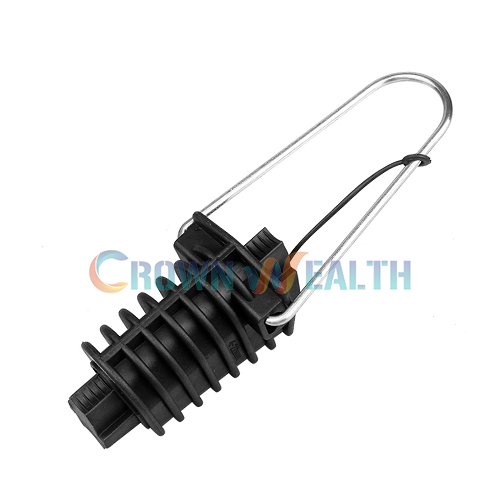
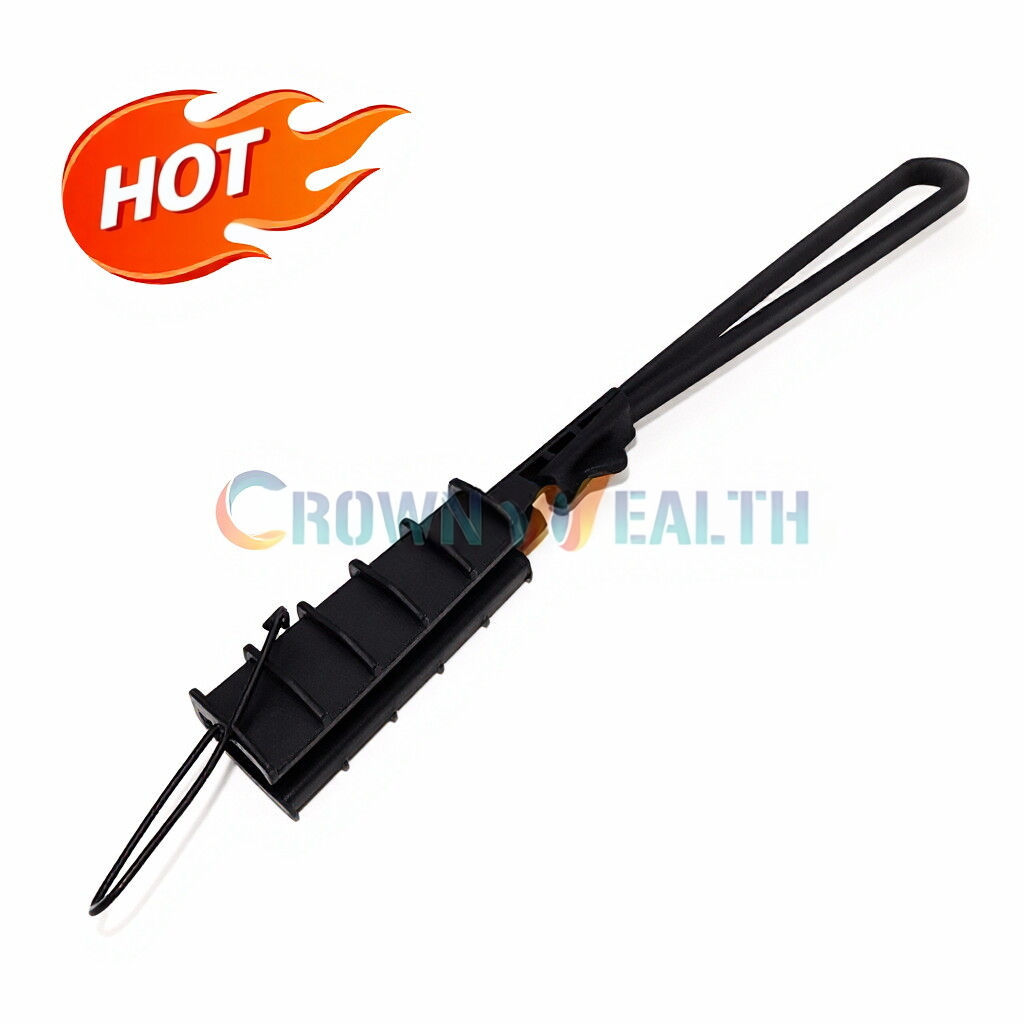
In addition to Spiral Vibration Dampers, there are other important protective fittings in the power and communication industries. For example, Dead End Guy Grips are used to anchor the guy wires at the end of the poles, providing stability to the poles. Vibration Damper is a general term that includes various types of dampers, not just spiral ones. Square Spacer Damper is used to maintain the spacing between multiple conductors and reduce the vibration between them.
Contact for Purchase and Negotiation
As a reliable Spiral Vibration Damper supplier, we are committed to providing high - quality products that can meet your specific requirements. If you are interested in our Spiral Vibration Dampers or other related protective fittings, please feel free to contact us for purchase and negotiation. We have a professional team that can offer you detailed product information, technical support, and competitive prices.
References
- "Handbook of Power System Engineering"
- "Materials Science and Engineering: An Introduction"
- Industry standards and guidelines for overhead line equipment