In the realm of industrial machinery, compressors play a pivotal role in various applications, from manufacturing plants to HVAC systems. One crucial yet often overlooked component within a compressor is the vibration damper. As a leading vibration damper supplier, I am well - versed in the significance of these devices and their impact on the performance and longevity of compressors.
Understanding Compressor Vibration
Compressors are mechanical devices that operate by reducing the volume of a gas, thereby increasing its pressure. During this process, the moving parts of the compressor, such as pistons, rotors, and crankshafts, generate significant amounts of vibration. These vibrations can have several detrimental effects if left unchecked.
Firstly, excessive vibration can lead to mechanical wear and tear. The constant shaking can cause components to rub against each other, leading to premature failure of bearings, seals, and other critical parts. This not only increases maintenance costs but also results in unplanned downtime, which can be extremely costly for businesses.
Secondly, vibration can generate noise. In industrial settings, high - level noise pollution can be a significant problem, affecting the health and safety of workers. Prolonged exposure to loud noise can cause hearing loss and other health issues. Moreover, in some applications, such as in hospitals or residential areas, excessive noise from compressors can be a nuisance.
The Role of Vibration Dampers
A vibration damper is a device designed to reduce or eliminate the vibrations produced by a compressor. It works by absorbing the kinetic energy generated by the vibrating parts and dissipating it in the form of heat. There are several types of vibration dampers, including rubber - based dampers, hydraulic dampers, and spring - based dampers, each with its own unique characteristics and applications.
1. Reducing Mechanical Stress
One of the primary roles of a vibration damper is to reduce the mechanical stress on the compressor components. By absorbing and dissipating the vibration energy, the damper helps to minimize the forces acting on the moving parts. This, in turn, reduces the wear and tear on bearings, shafts, and other critical components, extending their service life. For example, in a reciprocating compressor, the pistons move back and forth at high speeds, creating a significant amount of vibration. A well - designed vibration damper can effectively reduce this vibration, preventing premature failure of the piston rings and cylinder walls.
2. Improving Operational Stability
Vibration dampers also contribute to the overall operational stability of the compressor. Excessive vibration can cause the compressor to become unstable, leading to misalignment of the components and even mechanical failure. By reducing the vibration, the damper helps to keep the compressor running smoothly and efficiently. This is particularly important in high - speed compressors, where even a small amount of vibration can have a significant impact on performance.
3. Noise Reduction
As mentioned earlier, vibration is a major source of noise in compressors. Vibration dampers can significantly reduce the noise level by absorbing the vibration energy before it is converted into sound waves. This is especially beneficial in applications where noise reduction is a priority, such as in commercial buildings or in equipment used in quiet environments. For instance, in a small office building, a compressor with a good vibration damper will operate much more quietly, providing a more comfortable working environment for the occupants.
Types of Vibration Dampers for Compressors
Rubber - Based Dampers
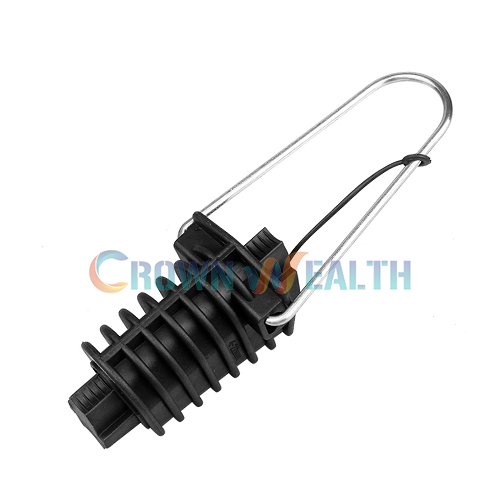
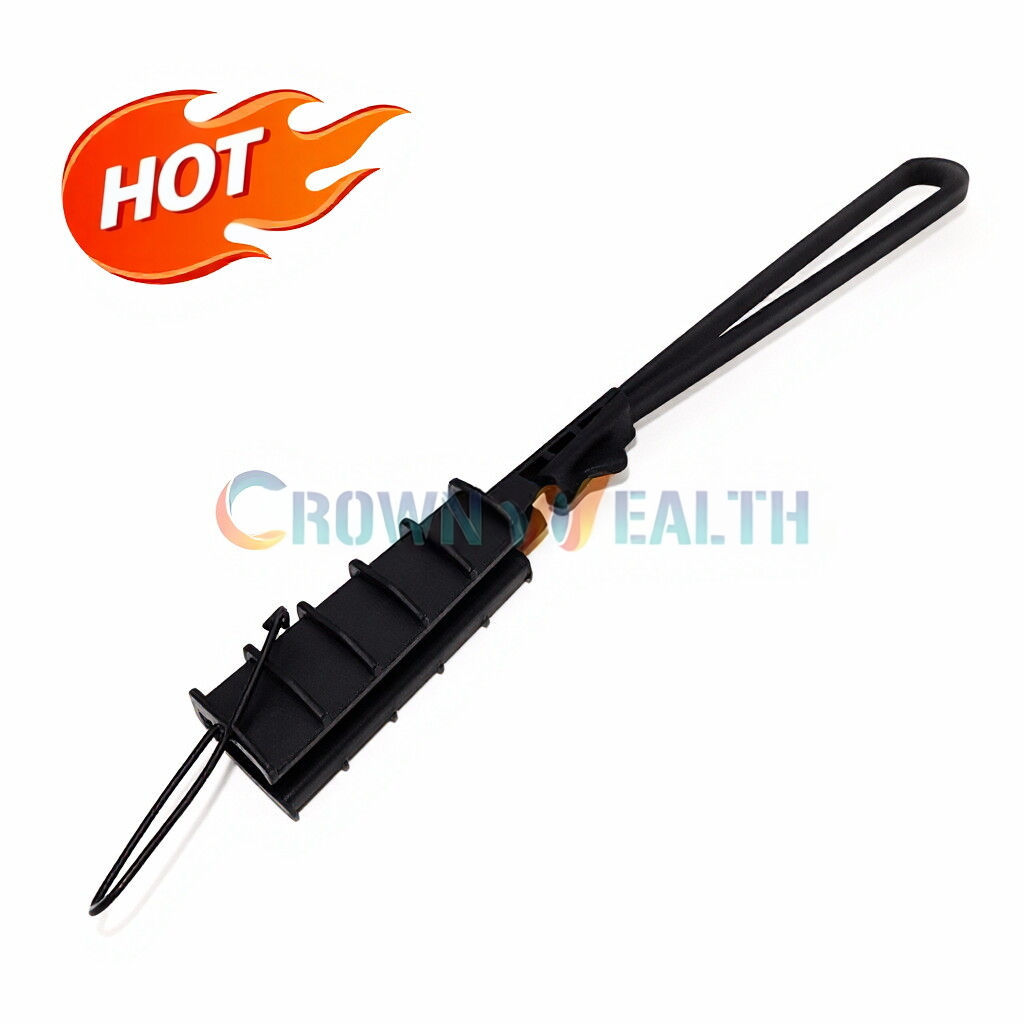
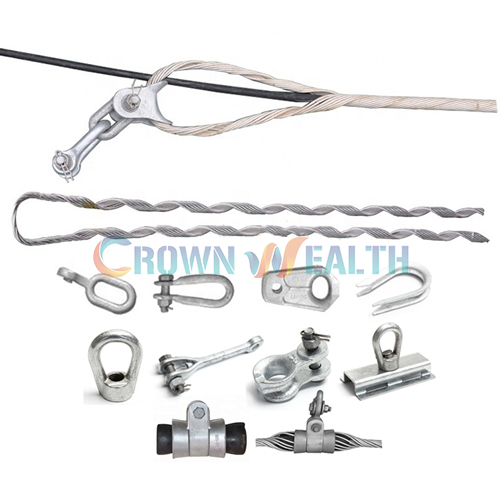
Rubber - based dampers are one of the most commonly used types of vibration dampers in compressors. They are made of high - quality rubber materials that have excellent damping properties. Rubber dampers can effectively absorb and dissipate vibration energy over a wide range of frequencies. They are also relatively inexpensive and easy to install. For example, a rubber mounting pad can be used to isolate the compressor from its base, reducing the transmission of vibration to the surrounding structure. You can find some high - quality Hot Dip Galvanized Dampers which may also have applications in compressor vibration control, especially in harsh environments where corrosion resistance is required.


Hydraulic Dampers
Hydraulic dampers use a fluid - filled chamber to absorb and dissipate vibration energy. They are known for their high damping capacity and precise control. Hydraulic dampers can be adjusted to provide the optimal level of damping for a specific compressor application. They are often used in high - performance compressors where precise vibration control is essential. However, hydraulic dampers are generally more expensive and require more maintenance compared to rubber - based dampers.
Spring - Based Dampers
Spring - based dampers consist of a spring and a damping element. The spring absorbs the vibration energy, while the damping element dissipates it. Spring dampers are suitable for applications where the vibration frequency is relatively low. They can provide a high level of isolation and are often used in large - scale compressors. For conductor - related applications, Preformed Armor Rods for Conductor Repair and Preformed Conductor Tension Set are important components, and in some compressor - related electrical systems, proper vibration control can also enhance the performance and safety of these conductor - related elements.
Selecting the Right Vibration Damper
Selecting the right vibration damper for a compressor is crucial to ensure optimal performance. Several factors need to be considered, including the type of compressor, the operating conditions, and the level of vibration.
The type of compressor is an important consideration. Different types of compressors, such as reciprocating, rotary, and centrifugal compressors, generate different levels and frequencies of vibration. For example, reciprocating compressors typically generate higher - amplitude vibrations at lower frequencies, while centrifugal compressors generate lower - amplitude vibrations at higher frequencies. The vibration damper should be selected based on the specific vibration characteristics of the compressor.
The operating conditions also play a significant role in damper selection. Factors such as temperature, humidity, and the presence of corrosive substances can affect the performance and durability of the damper. For example, in a hot and humid environment, a damper made of a material that is resistant to heat and moisture should be selected.
Finally, the level of vibration needs to be measured and analyzed. This can be done using vibration sensors and analyzers. Based on the measurement results, the appropriate type and size of the vibration damper can be determined.
The Importance of Quality Vibration Dampers
Using high - quality vibration dampers is essential for the long - term performance and reliability of compressors. Inferior dampers may not provide adequate vibration reduction, leading to increased mechanical stress, noise, and premature component failure. As a vibration damper supplier, we are committed to providing our customers with the highest quality products. Our dampers are manufactured using advanced materials and processes to ensure maximum performance and durability.
Contact for Procurement
If you are in the market for vibration dampers for your compressors, we invite you to contact us for a detailed discussion. Our team of experts can help you select the right damper for your specific application, ensuring optimal performance and cost - effectiveness. Whether you need a small - scale damper for a residential compressor or a large - scale solution for an industrial application, we have the expertise and products to meet your needs.
References
- "Compressor Handbook" by Klaus Brun and Eckardt Schmidt
- "Vibration Analysis for Rotating Machinery" by Robert B. Randall
- "Mechanical Vibrations" by Singiresu S. Rao