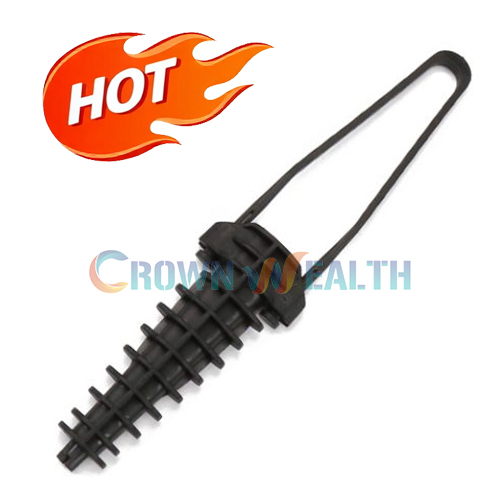
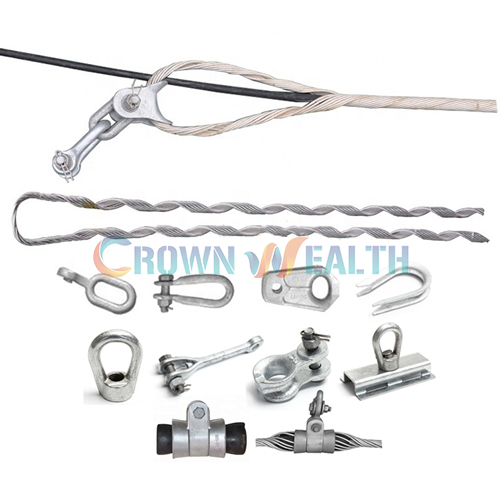
In the realm of mechanical engineering and industrial operations, link fittings play a pivotal role in determining the overall efficiency of a device. As a dedicated link fitting supplier, I have witnessed firsthand how these seemingly small components can have a profound impact on the performance, reliability, and productivity of various machinery and equipment. In this blog post, I will delve into the ways in which link fitting influences the overall efficiency of a device, exploring the key factors and considerations that engineers and operators need to keep in mind.
Understanding Link Fittings
Before we dive into the impact of link fittings on device efficiency, it's important to have a clear understanding of what link fittings are and what they do. Link fittings are mechanical components that are used to connect different parts of a machine or structure, allowing for the transfer of forces and motion between them. They come in a wide variety of shapes, sizes, and materials, each designed to meet specific requirements and applications.
Some common types of link fittings include P-Type Clevise, ZH Ball Eyes, and HDG Anchor Shackle. These fittings are used in a range of industries, including automotive, aerospace, construction, and manufacturing, to name a few.
Impact on Mechanical Efficiency
One of the primary ways in which link fitting impacts the overall efficiency of a device is through its effect on mechanical efficiency. Mechanical efficiency refers to the ratio of output work to input work in a mechanical system, and it is a measure of how effectively a machine converts input energy into useful output energy.
Link fittings can affect mechanical efficiency in several ways. First, the design and quality of the link fitting can influence the amount of friction and wear that occurs during operation. A well-designed link fitting with smooth surfaces and proper lubrication can minimize friction and wear, reducing energy losses and improving the overall efficiency of the system.
Second, the strength and durability of the link fitting are crucial for maintaining mechanical efficiency. A weak or poorly constructed link fitting may fail under load, leading to increased downtime, maintenance costs, and potential safety hazards. On the other hand, a high-quality link fitting that is designed to withstand the expected loads and stresses can ensure reliable operation and minimize the risk of failure.


Finally, the alignment and installation of the link fitting can also impact mechanical efficiency. Improper alignment can cause uneven loading and increased stress on the fitting, leading to premature wear and failure. Therefore, it is essential to ensure that the link fitting is installed correctly and aligned properly to maximize its performance and efficiency.
Impact on Operational Efficiency
In addition to its impact on mechanical efficiency, link fitting can also have a significant impact on the operational efficiency of a device. Operational efficiency refers to the ability of a machine or system to perform its intended function effectively and efficiently, with minimal waste of time, energy, and resources.
Link fittings can affect operational efficiency in several ways. First, the ease of installation and maintenance of the link fitting can have a direct impact on the downtime and productivity of the device. A link fitting that is easy to install and maintain can reduce the time and effort required for installation and maintenance, allowing the device to be up and running more quickly and efficiently.
Second, the reliability and durability of the link fitting are crucial for ensuring continuous operation and minimizing downtime. A reliable link fitting that is designed to withstand the expected loads and stresses can reduce the frequency of breakdowns and maintenance, improving the overall productivity of the device.
Finally, the compatibility of the link fitting with other components of the device is also important for operational efficiency. A link fitting that is not compatible with other components may cause interference or misalignment, leading to increased wear and tear and potential safety hazards. Therefore, it is essential to ensure that the link fitting is compatible with the other components of the device to maximize its performance and efficiency.
Impact on Safety
Safety is another critical factor that is closely related to the efficiency of a device. A safe device is one that is designed and operated in a way that minimizes the risk of accidents and injuries to operators and other personnel. Link fittings can have a significant impact on the safety of a device in several ways.
First, the strength and durability of the link fitting are crucial for ensuring the safety of the device. A weak or poorly constructed link fitting may fail under load, leading to catastrophic failure and potential injury to operators and other personnel. Therefore, it is essential to ensure that the link fitting is designed and manufactured to meet the highest safety standards and is capable of withstanding the expected loads and stresses.
Second, the proper installation and maintenance of the link fitting are also important for safety. Improper installation or maintenance can cause the link fitting to become loose or misaligned, increasing the risk of failure and potential injury. Therefore, it is essential to ensure that the link fitting is installed correctly and maintained regularly to ensure its safety and reliability.
Finally, the design of the link fitting can also impact safety. A link fitting that is designed with safety features such as locking mechanisms or guards can reduce the risk of accidental disengagement or injury. Therefore, it is important to choose a link fitting that is designed with safety in mind to minimize the risk of accidents and injuries.
Conclusion
In conclusion, link fitting plays a crucial role in determining the overall efficiency of a device. From mechanical efficiency to operational efficiency and safety, link fitting can have a significant impact on the performance, reliability, and productivity of various machinery and equipment. As a link fitting supplier, I understand the importance of providing high-quality, reliable, and safe link fittings to our customers.
If you are looking for a reliable link fitting supplier, please do not hesitate to contact us. We offer a wide range of link fittings, including P-Type Clevise, ZH Ball Eyes, and HDG Anchor Shackle, to meet your specific requirements and applications. Our team of experts is always available to provide you with technical support and advice to ensure that you choose the right link fitting for your needs.
References
- Budynas, R. G., & Nisbett, J. K. (2011). Shigley's mechanical engineering design. McGraw-Hill.
- Juvinall, R. C., & Marshek, K. M. (2011). Fundamentals of machine component design. Wiley.
- Shigley, J. E., Mischke, C. R., & Budynas, R. G. (2004). Mechanical engineering design. McGraw-Hill.