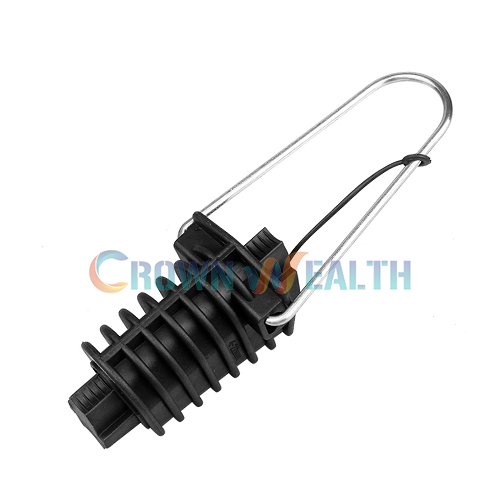
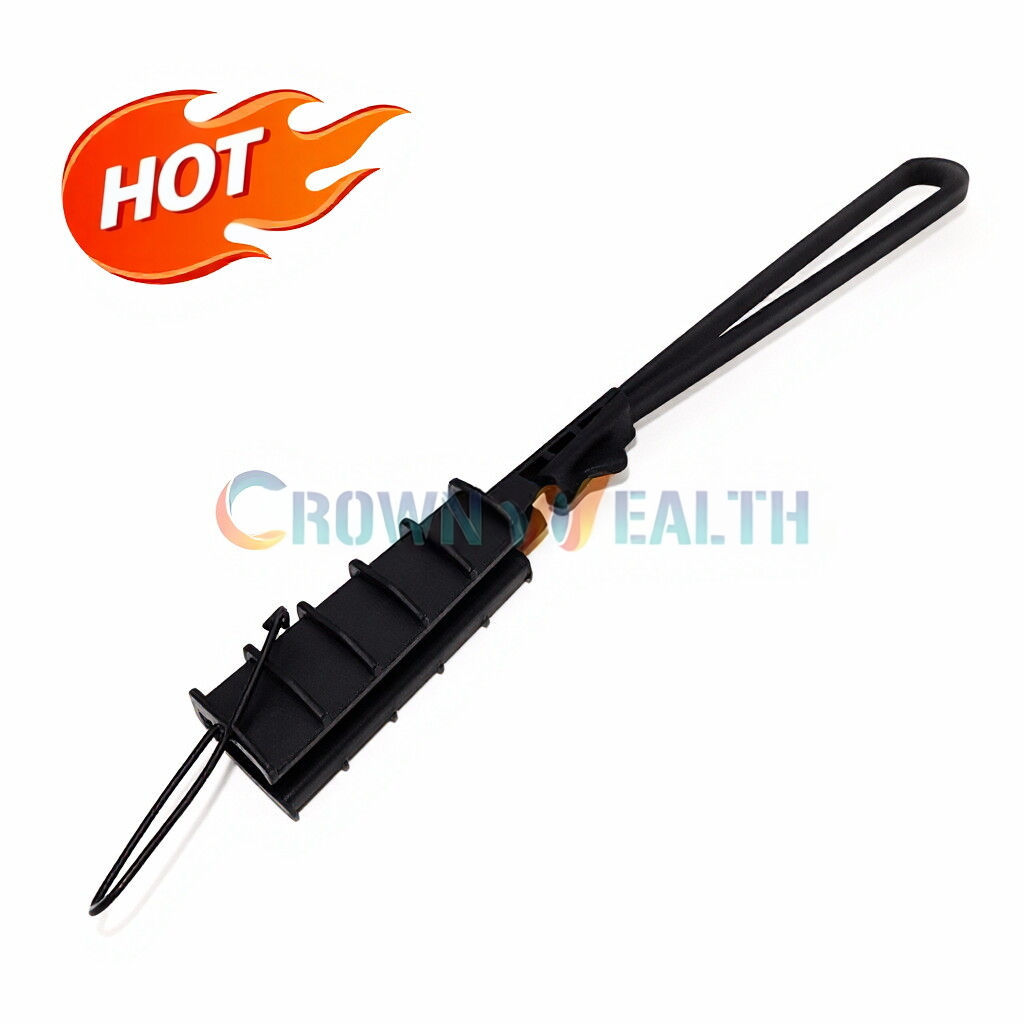
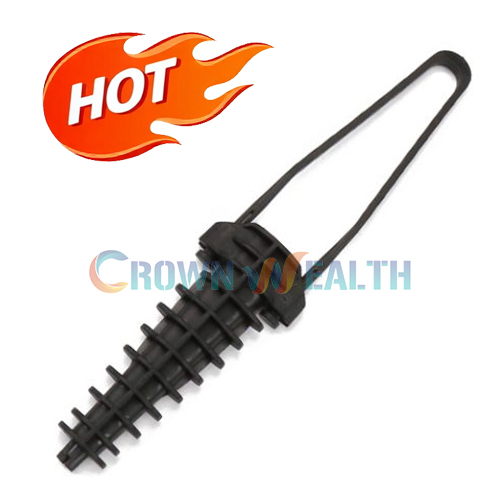
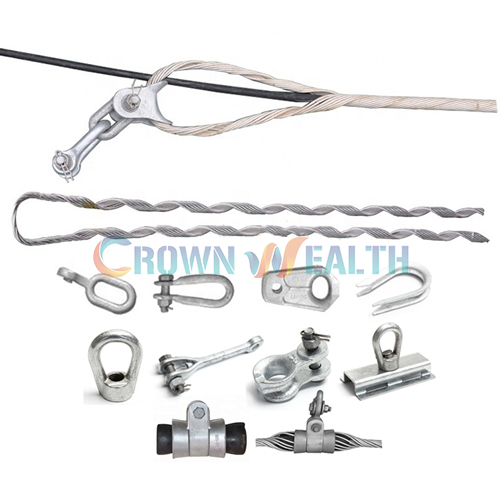
As a trusted ADSS Down Lead Clamp supplier, we understand the critical importance of ensuring the performance and reliability of our products. ADSS (All-Dielectric Self-Supporting) Down Lead Clamps play a vital role in securing fiber optic cables in overhead power line installations, and their performance directly impacts the overall stability and functionality of the communication network. In this blog, we will delve into the methods and procedures for testing the performance of an ADSS Down Lead Clamp, providing you with valuable insights to ensure the quality of your installations.
1. Understanding the Key Performance Indicators of ADSS Down Lead Clamps
Before we discuss the testing methods, it is essential to understand the key performance indicators that define the quality of an ADSS Down Lead Clamp. These indicators include:
- Tensile Strength: The ability of the clamp to withstand the pulling force exerted on the fiber optic cable without failure. This is crucial for ensuring the long - term stability of the cable installation, especially in areas prone to high winds or other environmental stresses.
- Corrosion Resistance: Since ADSS Down Lead Clamps are often installed outdoors, they must be resistant to corrosion caused by moisture, salt, and other environmental factors. Corrosion can weaken the clamp over time, leading to potential failures.
- Temperature Resistance: The clamp should be able to maintain its performance within a wide range of temperatures. Extreme temperatures can cause the materials of the clamp to expand or contract, affecting its grip on the cable.
- Insulation Performance: As ADSS cables are used in high - voltage environments, the clamp must have good insulation properties to prevent electrical interference and ensure the safety of the communication system.
2. Tensile Strength Testing
Tensile strength testing is one of the most important tests for ADSS Down Lead Clamps. The following steps are typically involved in this test:
- Sample Preparation: Select a representative sample of the ADSS Down Lead Clamp for testing. The sample should be in good condition and meet the specified dimensions and material requirements.
- Testing Equipment Setup: Use a tensile testing machine capable of applying a controlled pulling force. The machine should be calibrated regularly to ensure accurate results.
- Installation of the Sample: Securely install the ADSS Down Lead Clamp on the testing machine according to the manufacturer's instructions. Make sure the clamp is properly aligned to avoid any uneven stress distribution.
- Application of Load: Gradually apply a pulling force to the clamp at a constant rate until the clamp fails or reaches the specified maximum load. Record the maximum load that the clamp can withstand.
- Analysis of Results: Compare the test results with the design specifications of the clamp. If the clamp fails to meet the specified tensile strength, it may indicate a problem with the manufacturing process or the quality of the materials used.
3. Corrosion Resistance Testing
To test the corrosion resistance of an ADSS Down Lead Clamp, the following methods can be used:
- Salt Spray Test: This is a commonly used method for evaluating the corrosion resistance of metal components. Place the ADSS Down Lead Clamp in a salt spray chamber and expose it to a fine mist of saltwater for a specified period. After the test, examine the surface of the clamp for signs of corrosion, such as rust or pitting.
- Immersion Test: Immerse the clamp in a corrosive solution, such as a saltwater or acid solution, for a certain period. Monitor the changes in the appearance and mechanical properties of the clamp over time. This test can provide more information about the long - term corrosion resistance of the clamp.
4. Temperature Resistance Testing
Temperature resistance testing helps to ensure that the ADSS Down Lead Clamp can maintain its performance under different temperature conditions. The following steps are involved in this test:

- Thermal Cycling Test: Place the clamp in a temperature - controlled chamber and subject it to a series of temperature cycles. The temperature range should cover the expected operating temperatures of the installation site. Monitor the performance of the clamp, such as its grip on the cable and its mechanical integrity, during the thermal cycling process.
- High - Temperature and Low - Temperature Testing: Test the clamp at the maximum and minimum expected operating temperatures for a specified period. Check for any signs of deformation, cracking, or loss of grip on the cable.
5. Insulation Performance Testing
Insulation performance testing is crucial for ADSS Down Lead Clamps used in high - voltage environments. The following tests can be conducted:
- Insulation Resistance Test: Use an insulation resistance tester to measure the resistance between the conductive parts of the clamp and the surrounding environment. A high insulation resistance value indicates good insulation performance.
- Dielectric Strength Test: Apply a high voltage to the clamp for a short period to test its ability to withstand electrical stress without breakdown. This test helps to ensure the safety of the clamp in high - voltage applications.
6. Importance of Testing and Quality Assurance
Regular testing of ADSS Down Lead Clamps is essential for several reasons:
- Safety: Ensuring the performance of the clamps helps to prevent failures that could lead to safety hazards, such as cable breakage or electrical accidents.
- Reliability: High - quality clamps with good performance can provide long - term reliability for the communication network, reducing the need for frequent maintenance and repairs.
- Compliance: Testing helps to ensure that the clamps meet the relevant industry standards and regulations, which is necessary for successful installations.
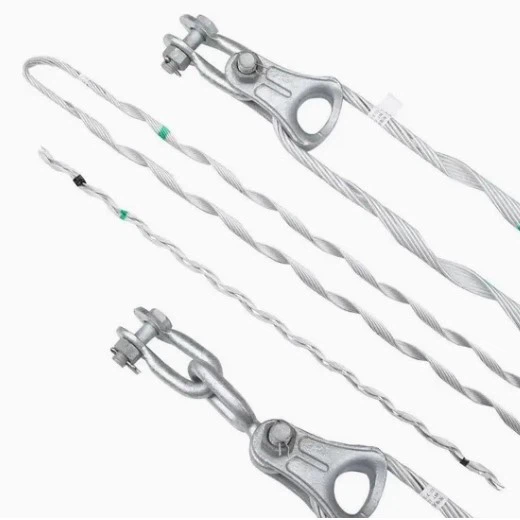
As a supplier, we are committed to providing high - quality ADSS Down Lead Clamps that meet or exceed the industry standards. Our products, including Preformed Tension Clamp, Preformed Helical Tension Clamp, and Hot Dip Galvanized Strain Clamp, undergo rigorous testing procedures to ensure their performance and reliability.
If you are interested in purchasing our ADSS Down Lead Clamps or have any questions about our testing procedures, please feel free to contact us for further discussion. We are always ready to provide you with the best solutions for your fiber optic cable installation needs.
References
- IEEE Standards for Fiber Optic Cable Installations
- International Electrotechnical Commission (IEC) Standards for Electrical Equipment
- Manufacturer's Technical Documentation for ADSS Down Lead Clamps