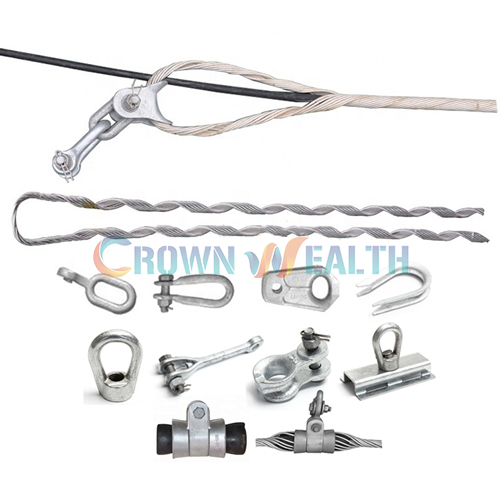
As a seasoned OPGW fitting supplier, I've encountered numerous inquiries regarding the installation space requirements for OPGW fittings. Understanding these requirements is crucial for ensuring the proper functioning and longevity of OPGW (Optical Power Ground Wire) systems. In this blog post, I'll delve into the key factors that influence the installation space for OPGW fittings and provide practical insights to help you plan your projects effectively.
Understanding OPGW Fittings
Before we discuss the installation space requirements, let's briefly review what OPGW fittings are and their role in a power grid. OPGW is a specialized cable that combines optical fibers with electrical conductors, serving both as a ground wire and a communication medium. OPGW fittings are essential components used to install, support, and protect the OPGW cable. These fittings include tension clamps, suspension clamps, cable storage assemblies, and more.
Factors Affecting Installation Space
Several factors influence the installation space requirements for OPGW fittings. Let's explore these factors in detail:
1. Fitting Type
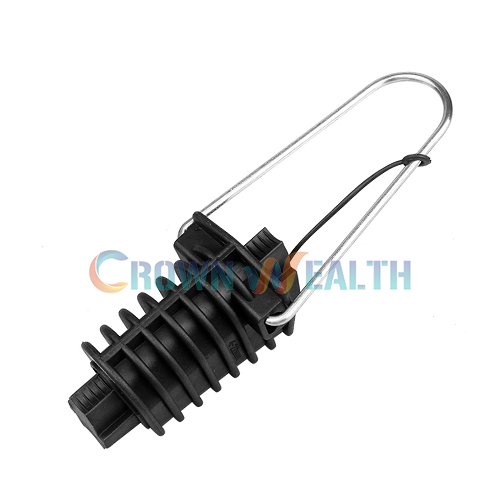
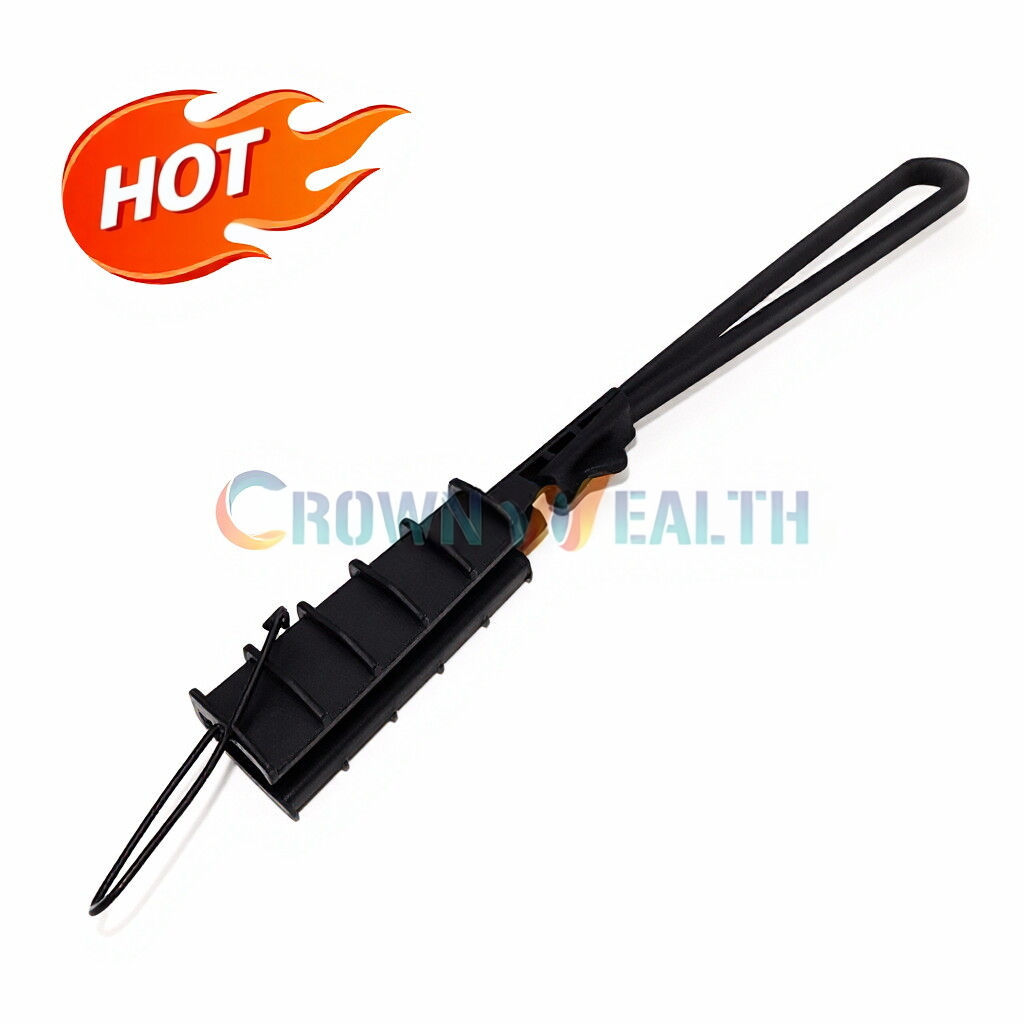
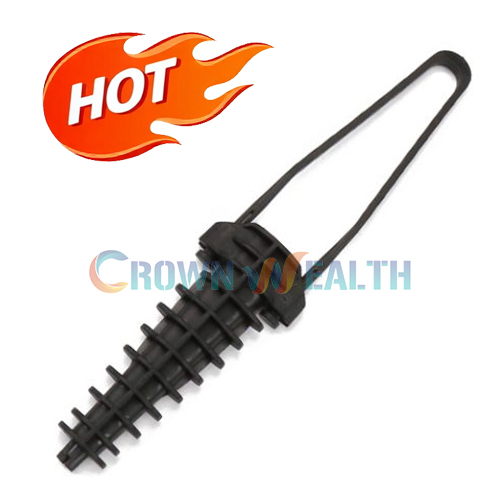
Different types of OPGW fittings have varying space requirements. For example, OPGW Preformed Tension Clamp are designed to withstand high tensile forces and typically require more space for proper installation. These clamps are usually installed at the end of the OPGW cable to anchor it securely to the tower or pole. On the other hand, suspension clamps are used to support the cable along its span and generally require less space.
2. Cable Size and Configuration
The size and configuration of the OPGW cable also play a significant role in determining the installation space. Larger cables with more optical fibers or thicker conductors may require more space for the fittings to accommodate them properly. Additionally, the way the cable is routed, such as whether it is straight or has bends, can affect the space needed for installation.
3. Tower or Pole Design
The design of the tower or pole where the OPGW fittings will be installed is another important factor. Different tower or pole designs have different available space for fitting installation. For example, a lattice tower may have more open space and flexibility for fitting placement compared to a monopole. The height of the tower or pole and the location of other equipment on it can also impact the installation space.
4. Clearance Requirements
Safety regulations and industry standards often specify minimum clearance requirements around OPGW fittings. These clearances are necessary to prevent electrical arcing, mechanical interference, and ensure easy access for maintenance. For example, there should be sufficient clearance between the fitting and other electrical components, such as transformers or insulators, to avoid any potential electrical hazards.
Calculating Installation Space
To calculate the installation space for OPGW fittings, you need to consider the dimensions of each fitting, the cable size, and the clearance requirements. Here's a step-by-step guide:
Step 1: Determine Fitting Dimensions
Refer to the manufacturer's specifications for each type of OPGW fitting to obtain its length, width, and height. Make sure to account for any additional space required for installation tools or access for maintenance personnel.
Step 2: Measure Cable Dimensions
Measure the diameter and length of the OPGW cable. Consider any bends or curves in the cable and add extra space accordingly.
Step 3: Account for Clearance Requirements
Check the local safety regulations and industry standards for the minimum clearance requirements around the OPGW fittings. Add these clearances to the dimensions of the fittings and the cable.
Step 4: Consider Tower or Pole Constraints
Take into account the available space on the tower or pole and any obstacles that may affect the installation. Make sure there is enough room for the fittings to be installed and adjusted without interfering with other equipment.
Examples of Installation Space Requirements
Let's look at some examples to illustrate the installation space requirements for different OPGW fittings:
Example 1: OPGW Preformed Tension Clamp
A typical OPGW Preformed Tension Clamp may have a length of 500 mm, a width of 150 mm, and a height of 100 mm. Considering a clearance of 200 mm around the clamp for safety and maintenance, the total installation space required would be approximately 900 mm in length, 550 mm in width, and 400 mm in height.
Example 2: Cable Storage Assembly
A Cable Storage Assembly is used to store excess OPGW cable. The size of the assembly depends on the amount of cable to be stored. For example, a cable storage assembly designed to store 100 meters of cable may have a length of 2000 mm, a width of 1500 mm, and a height of 1000 mm. Adding a clearance of 300 mm around the assembly, the total installation space required would be approximately 2600 mm in length, 2100 mm in width, and 1600 mm in height.
Importance of Proper Installation Space
Ensuring adequate installation space for OPGW fittings is essential for several reasons:
1. Safety
Proper installation space helps to prevent electrical hazards and mechanical failures. Sufficient clearance between the fittings and other equipment reduces the risk of arcing and short circuits. It also allows for easy access during maintenance, reducing the likelihood of accidents.


2. Performance
Adequate space ensures that the OPGW fittings can function properly. For example, if a tension clamp is installed in a cramped space, it may not be able to grip the cable securely, leading to cable slippage or failure. Similarly, a cable storage assembly that is too small may cause the cable to kink or damage, affecting its optical performance.
3. Maintenance
Easy access to the OPGW fittings is crucial for regular maintenance and inspection. If the installation space is too limited, it may be difficult or impossible to perform necessary maintenance tasks, such as tightening bolts or replacing damaged components.
Contact Us for Your OPGW Fitting Needs
If you're planning an OPGW project and need assistance with determining the installation space requirements for your OPGW fittings, or if you have any other questions about our products, please don't hesitate to contact us. As a leading OPGW fitting supplier, we have the expertise and experience to provide you with the right solutions for your project. Our team of professionals can help you select the appropriate fittings, calculate the installation space, and ensure a smooth installation process.
References
- IEEE Standard for Fiber Optic Ground Wire (OPGW) for Use on Electric Utility Power Lines
- International Electrotechnical Commission (IEC) standards related to OPGW and its fittings
- Manufacturer's specifications for OPGW fittings