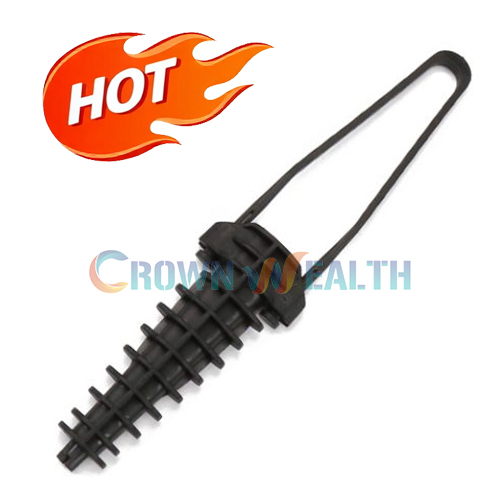
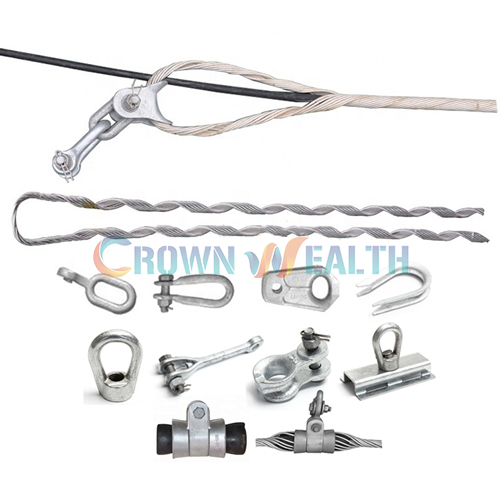
Helical Guy Grips have long been a staple in the field of electrical and mechanical installations, providing reliable support and tensioning for various structures. As a leading supplier of Helical Guy Grips, I often encounter questions from customers regarding their compatibility with synthetic ropes. In this blog post, I will delve into the details of this important topic, exploring the factors that influence compatibility and providing insights based on industry knowledge and experience.
Understanding Helical Guy Grips
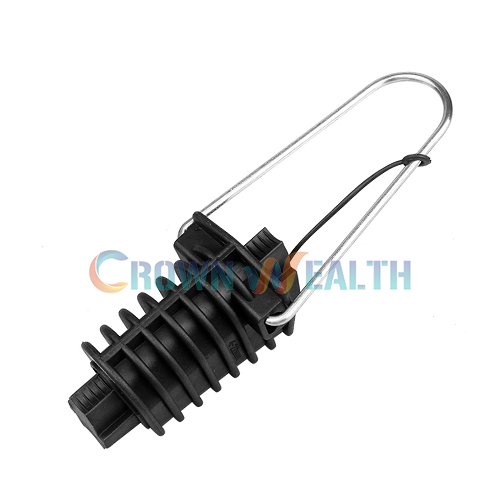
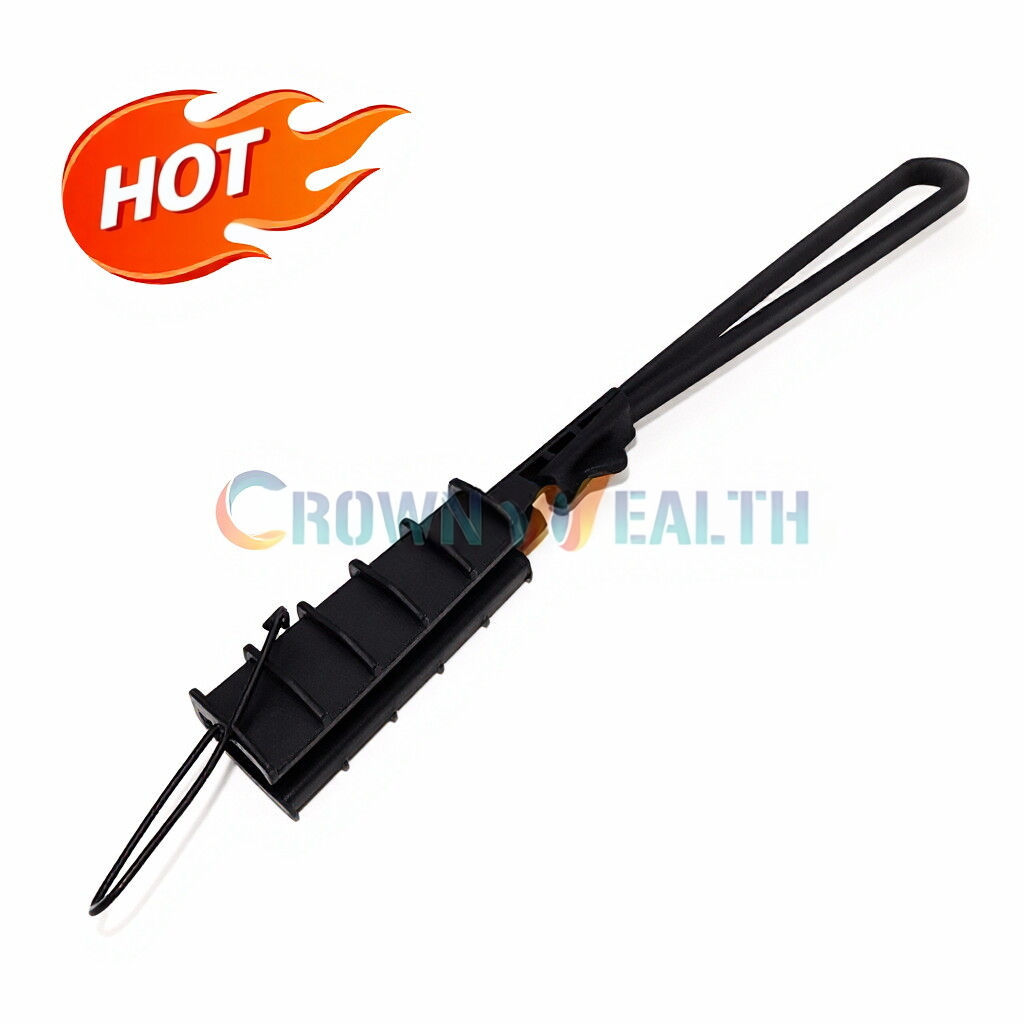
Helical Guy Grips are pre - formed wire products designed to grip and secure guy wires, which are used to support structures such as poles, towers, and masts. They are typically made from high - strength steel or other durable materials. The helical design allows for a tight and even distribution of load along the length of the grip, ensuring a strong and reliable connection. These grips are known for their ease of installation, as they can be quickly wrapped around the wire without the need for complex tools or techniques.
The Rise of Synthetic Ropes
In recent years, synthetic ropes have gained significant popularity in various industries. Made from materials such as polyester, nylon, and high - performance fibers like Dyneema, synthetic ropes offer several advantages over traditional steel ropes. They are lightweight, corrosion - resistant, and have high strength - to - weight ratios. Additionally, synthetic ropes are more flexible, which can be beneficial in applications where ease of handling and installation are important.
Compatibility Factors
When considering the compatibility of Helical Guy Grips with synthetic ropes, several key factors need to be taken into account.
Material Properties
The material of the Helical Guy Grip and the synthetic rope must be compatible in terms of their mechanical and chemical properties. For example, the hardness of the grip material should not cause excessive abrasion or damage to the synthetic rope. Some synthetic ropes are more sensitive to abrasion than others, and using a grip with a rough surface could lead to premature wear and failure of the rope.
Load Capacity
Both the Helical Guy Grip and the synthetic rope have specific load - carrying capacities. It is crucial to ensure that the combined load capacity of the grip and the rope is sufficient for the intended application. Overloading either the grip or the rope can result in failure, which can be dangerous and costly. The load capacity of the grip is determined by its design, material, and installation method, while the load capacity of the synthetic rope depends on its fiber type, construction, and diameter.
Installation Method
The installation method of the Helical Guy Grip on the synthetic rope is also an important factor. Unlike steel ropes, synthetic ropes may require special handling during installation to prevent damage. For example, the tension applied during the installation of the grip should be carefully controlled to avoid over - tightening, which could cause the rope to deform or break. Additionally, the proper alignment of the grip on the rope is essential to ensure an even distribution of load.
Advantages of Using Helical Guy Grips with Synthetic Ropes
Despite the challenges, there are several advantages to using Helical Guy Grips with synthetic ropes.
Lightweight and Easy to Install
The combination of lightweight synthetic ropes and easy - to - install Helical Guy Grips makes for a more efficient installation process. This can save time and labor costs, especially in large - scale projects. The reduced weight also makes it easier to transport and handle the materials on - site.


Corrosion Resistance
Both synthetic ropes and Helical Guy Grips made from corrosion - resistant materials offer long - term durability in harsh environments. This can be particularly beneficial in coastal areas or industrial settings where corrosion is a major concern. The corrosion resistance of the materials helps to maintain the integrity of the installation over time, reducing the need for frequent maintenance and replacement.
Flexibility
The flexibility of synthetic ropes, combined with the adaptability of Helical Guy Grips, allows for more versatile applications. They can be used in situations where traditional steel ropes and grips may be too rigid or difficult to install. For example, in applications where the guy wire needs to follow a curved path or where there are space limitations, the flexibility of the synthetic rope and grip combination can be a significant advantage.
Case Studies
To illustrate the practical application of Helical Guy Grips with synthetic ropes, let's look at a few case studies.
In a telecommunications project, a tower needed to be supported in a coastal area. The use of traditional steel ropes was not ideal due to the high risk of corrosion. Instead, synthetic ropes made from a high - strength polyester fiber were chosen, along with Helical Guy Grips made from a corrosion - resistant alloy. The installation was completed quickly and easily, and after several years of operation, there have been no signs of corrosion or failure.
In another case, a wind turbine installation required a lightweight and flexible guy wire system. Synthetic ropes with Helical Guy Grips were used to support the turbine. The flexibility of the ropes allowed for easy installation around the complex structure of the turbine, and the high - strength of the ropes and grips ensured reliable support under varying wind conditions.
Related Products
In addition to Helical Guy Grips, there are other products that can be used in conjunction with synthetic ropes in similar applications. Armor Rods are used to protect conductors from abrasion and mechanical damage. They can also be used in combination with synthetic ropes to enhance their durability. Preformed Dead End Guy Grips are another option for terminating synthetic ropes. They provide a secure and reliable connection at the end of the rope. Preformed Conductor Tension Set can be used to adjust the tension of the synthetic ropes, ensuring optimal performance.
Conclusion
In conclusion, Helical Guy Grips can be compatible with synthetic ropes, but careful consideration of the material properties, load capacity, and installation method is essential. When properly matched, the combination of Helical Guy Grips and synthetic ropes offers numerous advantages, including lightweight, corrosion resistance, and flexibility. As a supplier of Helical Guy Grips, I am committed to providing high - quality products and technical support to ensure the success of your projects.
If you are interested in purchasing Helical Guy Grips or have any questions about their compatibility with synthetic ropes, please feel free to contact us for further information and to discuss your specific requirements. We look forward to working with you to find the best solutions for your applications.
References
- "Handbook of Synthetic Fibers: Technology, Applications, and Health Issues" by Anil K. Bhowmick and Bidyut K. Gupta
- "Mechanical Design of Electrical Systems" by John W. McDonald
- Industry standards and guidelines related to guy wire installations and synthetic rope applications.