As a supplier of Armor Rods, I've witnessed firsthand the growing interest in how these products can protect against radiation. In this blog, I'll delve into the science behind Armor Rods and their role in radiation protection, drawing on my experience in the industry.


Understanding Radiation and Its Risks
Before we explore how Armor Rods protect against radiation, it's essential to understand what radiation is and why it's a concern. Radiation is the emission of energy as electromagnetic waves or as moving subatomic particles, especially high - energy particles that cause ionization. There are two main types of radiation: ionizing and non - ionizing. Ionizing radiation, such as X - rays, gamma rays, and some high - energy particles, has enough energy to remove tightly bound electrons from atoms, creating ions. This can damage living cells and DNA, leading to various health problems, including cancer, genetic mutations, and radiation sickness.
Non - ionizing radiation, like radio waves, microwaves, and visible light, has lower energy and generally does not cause ionization. However, at high intensities, it can still cause thermal effects, such as burns.
The Basics of Armor Rods
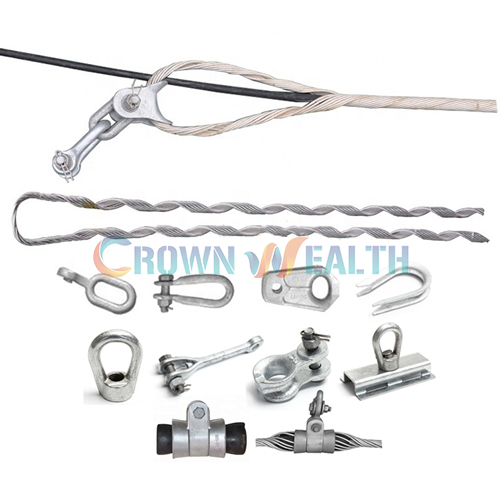
Armor Rods, also known as Preformed Armor Rods, are pre - formed helical wires that are used to protect cables and conductors. They are typically made of materials such as aluminum alloy or steel. These rods are wrapped around the cable or conductor, providing mechanical protection against abrasion, bending, and vibration. But how do they relate to radiation protection?
Mechanisms of Radiation Protection by Armor Rods
Shielding Properties
One of the primary ways Armor Rods can protect against radiation is through shielding. The materials used in Armor Rods, such as metals, can absorb and scatter radiation. Metals have a high atomic number and density, which makes them effective at interacting with radiation.
When ionizing radiation, such as gamma rays, passes through a metal Armor Rod, it can interact with the atoms in the metal. The gamma rays can transfer their energy to the electrons in the metal atoms, causing the electrons to be ejected from the atoms (the photoelectric effect). This process absorbs the energy of the gamma rays, reducing the amount of radiation that can pass through the Armor Rod and reach the cable or the surrounding environment.
Similarly, for high - energy particles like neutrons, the metal atoms in the Armor Rod can scatter the neutrons. The neutrons collide with the nuclei of the metal atoms, changing their direction and losing energy in the process. This scattering reduces the intensity of the neutron radiation.
Electrical Conductivity and Electrostatic Shielding
Armor Rods are often made of conductive materials. In an environment where there is electromagnetic radiation, the conductive nature of the Armor Rods can act as an electrostatic shield. Electromagnetic radiation consists of oscillating electric and magnetic fields. When these fields encounter a conductive Armor Rod, the free electrons in the metal can move in response to the electric field.
This movement of electrons creates an opposing electric field that cancels out the incident electric field of the electromagnetic radiation. As a result, the radiation is blocked from reaching the cable inside the Armor Rod. This is similar to how a Faraday cage works, protecting the contents inside from external electromagnetic interference.
Applications in Radiation - Prone Environments
Power Transmission in Nuclear Facilities
In nuclear power plants, power cables are exposed to high levels of radiation. Armor Rods can be used to protect these cables from radiation damage. By wrapping the cables with Armor Rods, the radiation is absorbed and scattered, reducing the risk of cable degradation due to radiation. This helps to ensure the reliable operation of the power transmission system in the nuclear facility.
Space Applications
In space, satellites and other space vehicles are exposed to various types of radiation, including solar flares and cosmic rays. Armor Rods can be used to protect the electrical cables on these vehicles. The shielding properties of the Armor Rods help to prevent radiation - induced damage to the cables, which could otherwise lead to system failures.
Complementary Protection with Other Products
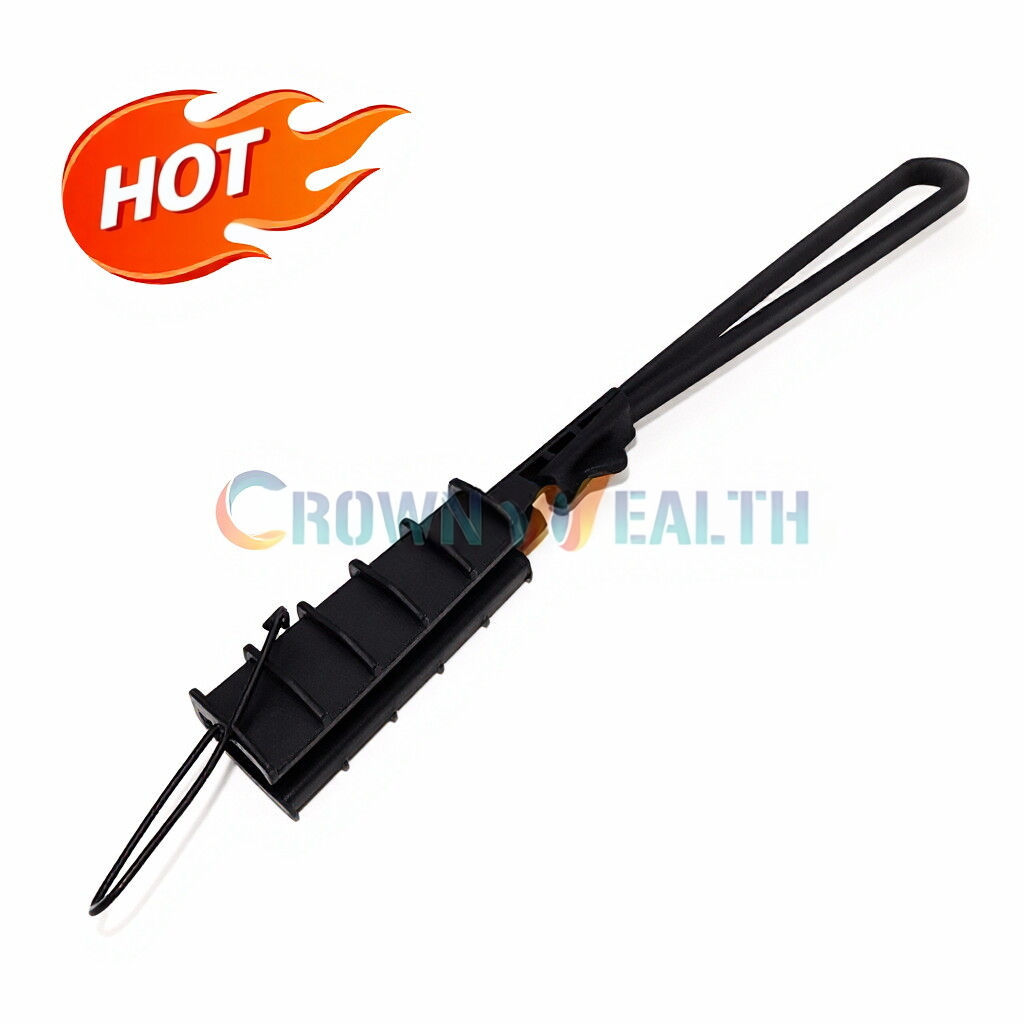
Armor Rods can work in conjunction with other protective products to enhance radiation protection. For example, Cable Guy Grips can be used to secure the cables in place, while Armor Rods provide radiation shielding. The combination of these two products ensures both mechanical and radiation protection for the cables.
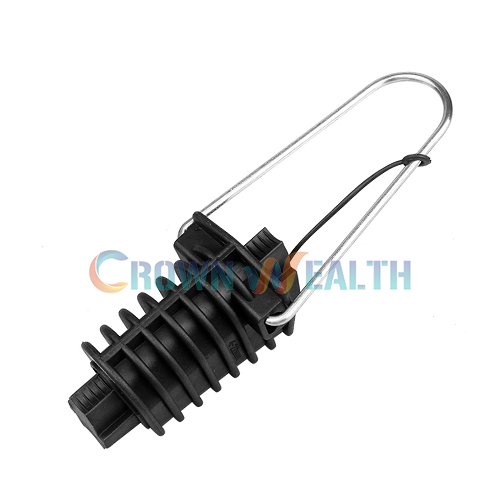
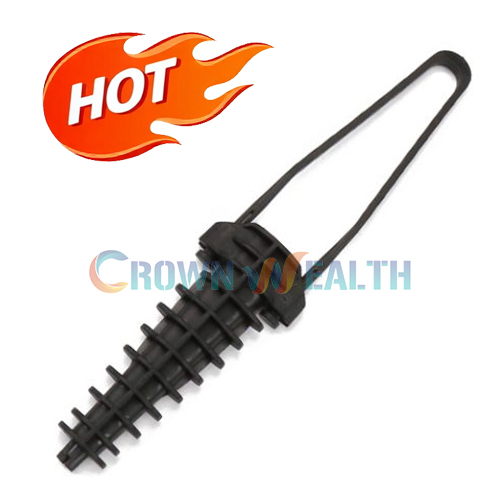
Another product that can be used together with Armor Rods is the Overhead Line Accessories Preformed Dead End Clamp Guy Grip for Cable. This clamp helps to terminate the cable properly, and when used in combination with Armor Rods, it provides a comprehensive solution for cable protection in radiation - prone environments.
Quality and Performance Considerations
When choosing Armor Rods for radiation protection, several factors need to be considered. The material of the Armor Rod is crucial. As mentioned earlier, metals with high atomic numbers and densities are more effective at shielding radiation. Aluminum alloy Armor Rods are lightweight and corrosion - resistant, while steel Armor Rods offer higher strength and better shielding for some types of radiation.
The design of the Armor Rod also matters. A well - designed Armor Rod should fit tightly around the cable to ensure maximum contact and effective shielding. The pitch and diameter of the helical wire can affect its mechanical and radiation - shielding properties.
Contact for Purchase and Consultation
If you're interested in purchasing Armor Rods for radiation protection or have any questions about their applications, I encourage you to reach out. Our team of experts is ready to assist you in selecting the right Armor Rods for your specific needs. Whether you're in the nuclear power industry, space exploration, or any other field where radiation protection is a concern, we can provide you with high - quality Armor Rods and related products.
References
- Hall, E. J., & Giaccia, A. J. (2012). Radiobiology for the Radiologist. Lippincott Williams & Wilkins.
- Tsoulfanidis, N. (1995). Measurement and Detection of Radiation. Taylor & Francis.