When it comes to installing double suspension clamps in windy areas, there are several crucial requirements that must be met to ensure the safety, stability, and long - term performance of the electrical or fiber - optic systems. As a trusted double suspension clamp supplier, I understand the unique challenges posed by windy environments and the importance of proper installation.
1. Structural Integrity of the Support Structure
The first and foremost requirement is the structural integrity of the support structure. In windy areas, the wind exerts significant forces on the cables and the clamps. The poles, towers, or other support structures must be designed and installed to withstand these forces. They should be made of high - strength materials such as steel or concrete, and their foundation should be deep and stable. For example, if the support structure is a wooden pole, it may not be able to withstand the continuous stress from strong winds over time. The poles or towers should be regularly inspected for signs of damage, corrosion, or weakening. Any issues should be addressed promptly to prevent the failure of the entire system.
2. Appropriate Clamp Selection
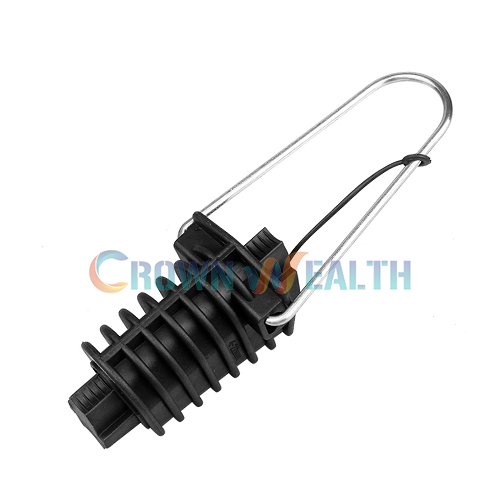
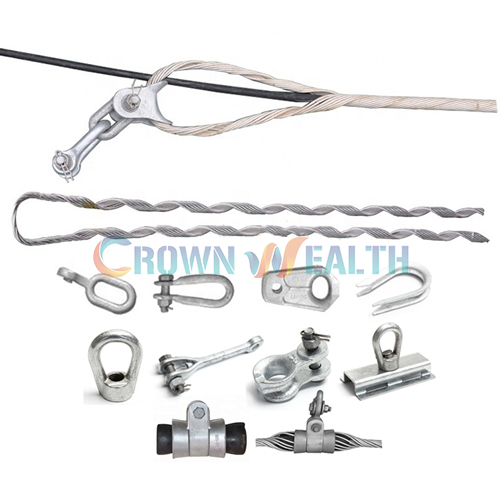
Selecting the right double suspension clamp is vital. The clamp must be designed to handle the specific cable type, size, and the wind - induced loads. In windy areas, clamps with high - strength materials and excellent gripping capabilities are required. Our company offers a wide range of double suspension clamps that are specifically engineered to meet the demands of windy environments. These clamps are made of high - quality alloys that provide superior strength and corrosion resistance. They are also designed with a precise gripping mechanism to ensure that the cable remains securely in place even under strong wind conditions.
3. Correct Installation Angle
The installation angle of the double suspension clamp is another critical factor. In windy areas, the clamps should be installed at an angle that minimizes the wind resistance of the cables. A horizontal or near - horizontal installation angle is often preferred as it reduces the surface area exposed to the wind. This not only reduces the wind - induced forces on the cables but also helps to prevent the cables from swaying excessively. When installing the clamps, it is essential to use proper tools and follow the manufacturer's instructions to ensure the correct angle is achieved.
4. Adequate Spacing between Clamps
Proper spacing between the double suspension clamps is necessary. In windy areas, the cables are more likely to vibrate due to the wind. If the clamps are too close together, the vibration can be amplified, leading to premature wear and tear of the cables and the clamps. On the other hand, if the spacing is too large, the cables may sag too much, increasing the risk of damage. Our technical team can provide guidance on the optimal spacing based on the cable type, size, and the wind conditions in the area.
5. Secure Fastening
The double suspension clamps must be securely fastened to the support structure. Loose clamps can cause the cables to move, which can lead to abrasion, damage, and even disconnection. All bolts, nuts, and other fastening components should be tightened to the specified torque values. Regular inspections should be carried out to ensure that the fasteners remain tight over time. In addition, using lock washers or other anti - loosening devices can help to prevent the fasteners from coming loose due to wind - induced vibrations.
6. Consideration of Wind Direction and Speed
Understanding the wind direction and speed in the area is crucial for the installation of double suspension clamps. Wind patterns can vary significantly from one location to another. By analyzing the local wind data, the installation can be optimized to minimize the impact of the wind. For example, if the prevailing wind direction is from a particular side, the clamps can be installed in a way that the cables are better protected from the direct force of the wind.
7. Compatibility with Other Components
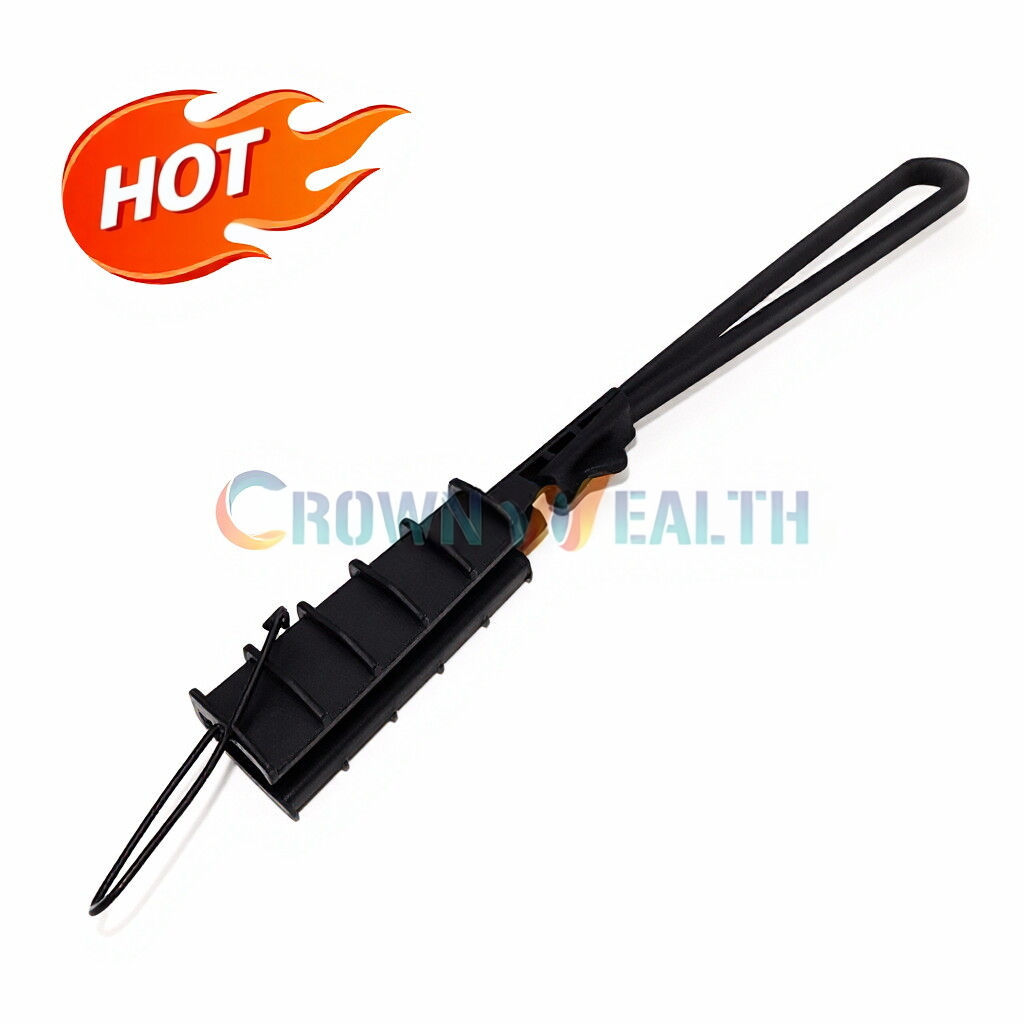
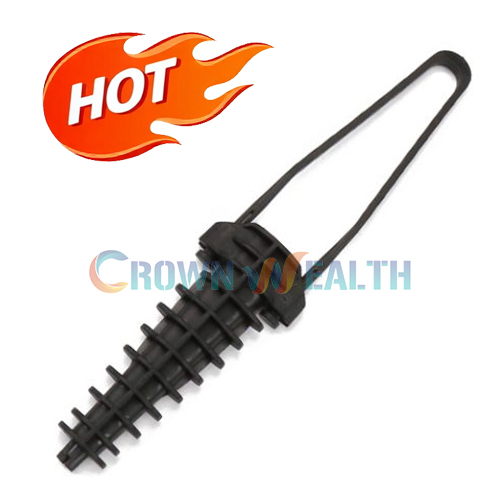
The double suspension clamps must be compatible with other components in the system, such as insulators, connectors, and ADSS Down Lead Clamp. In windy areas, the interaction between these components becomes even more critical. For instance, if the clamp is not properly matched with the insulator, it can cause uneven stress distribution, leading to premature failure of the components. Our company offers a comprehensive range of products that are designed to work together seamlessly, ensuring the overall reliability of the system.
8. Protection against Corrosion
Windy areas may also be exposed to other environmental factors such as moisture, salt, and pollutants, which can cause corrosion. The double suspension clamps should be protected against corrosion to ensure their long - term performance. This can be achieved through the use of anti - corrosion coatings, galvanization, or the selection of corrosion - resistant materials. Regular maintenance and inspection can also help to detect and address any signs of corrosion early.
9. Vibration Damping
In windy areas, cables are prone to vibration. Excessive vibration can cause fatigue damage to the cables and the clamps. Therefore, vibration damping measures should be taken. Some double suspension clamps are designed with built - in vibration damping features. Additionally, other vibration - damping devices can be installed in the system to reduce the amplitude of the vibrations.
10. Training and Certification of Installers
The installers of double suspension clamps in windy areas should be properly trained and certified. They should have a thorough understanding of the installation requirements, safety procedures, and the specific challenges posed by windy environments. Our company provides training programs for installers to ensure that they are equipped with the necessary skills and knowledge to carry out the installation correctly.
Related Products for Windy Areas
In addition to double suspension clamps, we also offer other products that are suitable for windy areas, such as PreformedTension Clamp for Short Span ADSS and ADSS Cable Guy Grips Sets. These products are designed to work in harmony with the double suspension clamps to provide a comprehensive solution for the installation of fiber - optic or electrical cables in challenging windy conditions.
Conclusion
Installing double suspension clamps in windy areas requires careful consideration of multiple factors. From the structural integrity of the support structure to the selection of the right clamp and the proper installation techniques, every step is crucial for the success of the project. As a leading double suspension clamp supplier, we are committed to providing high - quality products and professional technical support to ensure that your installation meets all the requirements. If you are planning an installation in a windy area, we encourage you to contact us for more information and to discuss your specific needs. Our team of experts is ready to assist you in making the right choices and ensuring a successful installation.


References
- Electrical Transmission and Distribution Handbook, Third Edition, by Turan Gonen
- Fiber Optic Communication Systems, Fourth Edition, by Govind P. Agrawal
- Wind Engineering for Structural Design, by Alan G. Davenport