Hey there! As a vibration damper supplier, I often get asked a bunch of questions about these nifty little devices. One question that pops up quite a bit is, "Can a vibration damper be recycled?" Well, let's dive right into this topic and find out.
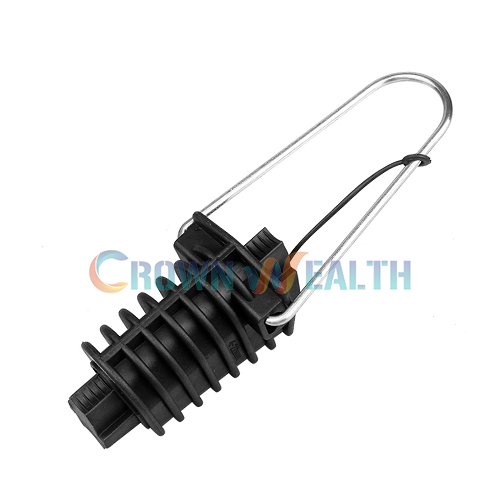
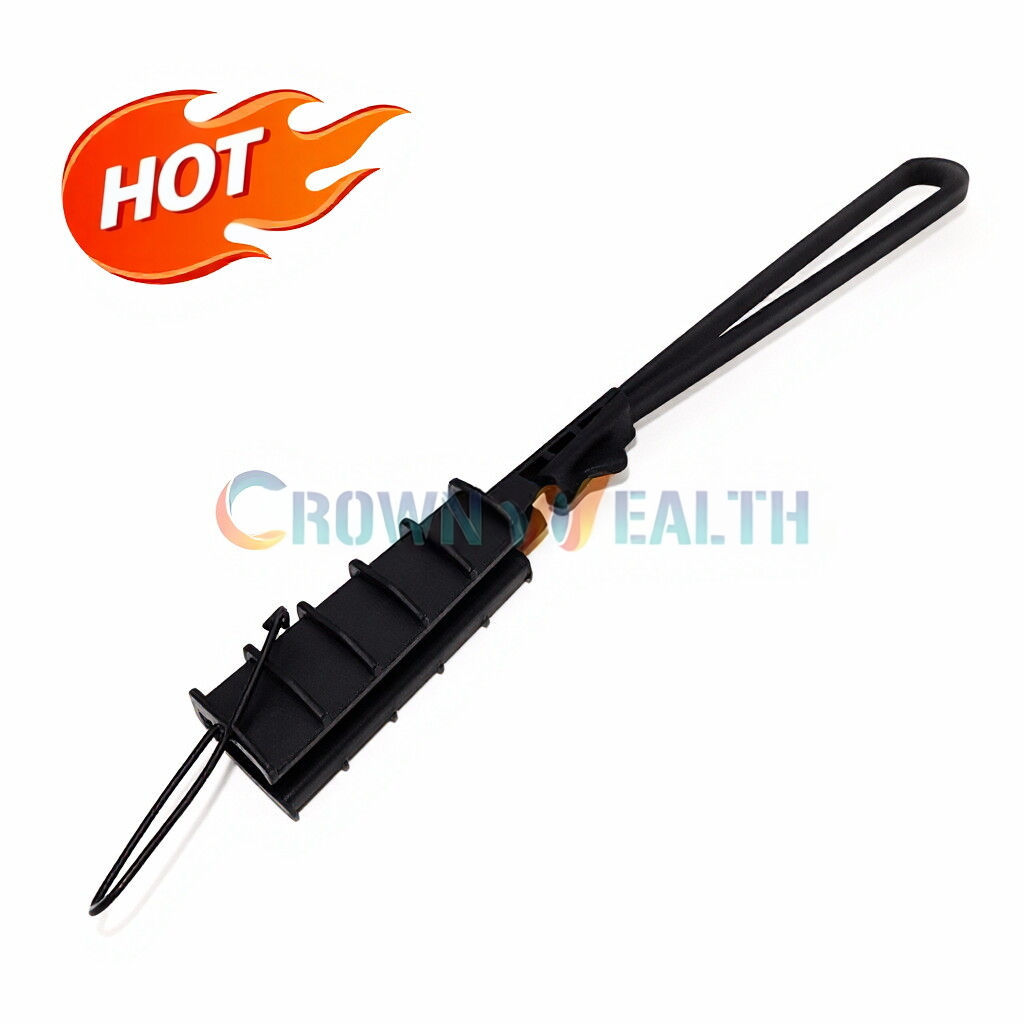
First off, let's talk about what vibration dampers are and what they're made of. Vibration dampers are used in a whole bunch of industries, like power transmission, automotive, and construction. They're designed to reduce vibrations and noise, which helps in making machines and structures more stable and durable. Most vibration dampers are made from materials like steel, rubber, and sometimes even some types of plastics.


Now, when it comes to recycling, the answer isn't a simple yes or no. It really depends on the materials the damper is made of. Steel, for example, is one of the most recyclable materials out there. It can be melted down and reused to make new products again and again without losing its quality. So, if a vibration damper has a steel component, it's very likely that it can be recycled.
Rubber is a bit more complicated. While rubber can be recycled, the process isn't as straightforward as steel. There are different types of rubber, and some are easier to recycle than others. For instance, natural rubber can be recycled through a process called devulcanization, which breaks down the rubber's cross - linked structure so it can be remolded into new products. However, synthetic rubbers might require more specialized recycling methods.
Plastics used in vibration dampers also vary in their recyclability. Some common plastics like polyethylene and polypropylene are relatively easy to recycle, while others might be more difficult. It all boils down to the type of plastic and the recycling facilities available in your area.
Let's take a look at the environmental benefits of recycling vibration dampers. Recycling helps in conserving natural resources. Instead of mining new iron ore to make steel or extracting more oil to produce plastics and rubber, we can reuse the existing materials. This reduces the energy consumption and greenhouse gas emissions associated with the production of new materials.
Moreover, recycling also reduces the amount of waste that ends up in landfills. Vibration dampers, especially those used in large - scale industries, can take up a significant amount of space in landfills. By recycling them, we can free up this space and prevent potential environmental hazards that might be associated with the decomposition of these materials.
Now, as a vibration damper supplier, I know that there are some challenges in the recycling process. One of the main issues is the collection and sorting of used dampers. It can be difficult to gather all the used dampers from different industries and locations. And once they're collected, sorting them based on their materials can be a time - consuming and labor - intensive task.
Another challenge is the cost. Recycling processes often require specialized equipment and facilities, which can be expensive to set up and maintain. This cost can sometimes be passed on to the consumers, making recycled products more expensive than their non - recycled counterparts.
But despite these challenges, there are some solutions. Some companies are starting to offer take - back programs for used vibration dampers. This makes it easier for customers to return their used dampers, and the company can then handle the recycling process. Additionally, advancements in recycling technology are making the process more efficient and cost - effective.
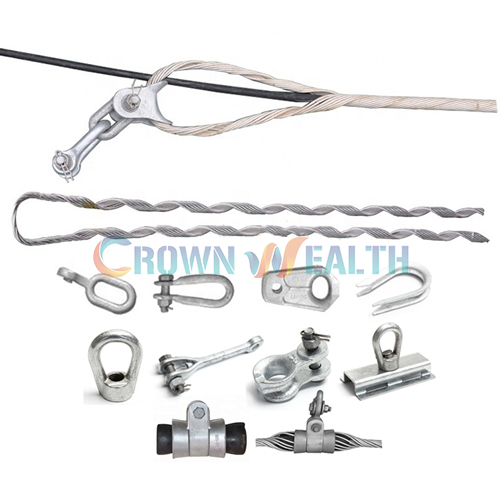
If you're in the market for vibration dampers, you might also be interested in some of our other products. We offer Preformed Armor Rods for Conductor Repair, which are great for fixing damaged conductors. Our Dead End Guy Grips and Preformed Dead End Guy Grips are also top - notch products that provide reliable support in various applications.
In conclusion, while there are challenges, vibration dampers can generally be recycled, especially if they're made of recyclable materials like steel, certain types of rubber, and plastics. As a supplier, I'm committed to promoting sustainable practices in our industry. We're constantly looking for ways to make our products more recyclable and to improve the recycling process.
If you're interested in purchasing vibration dampers or have any questions about our products, feel free to reach out. We're here to help you find the best solutions for your needs. Whether you're in the power industry, automotive sector, or construction field, we've got the right vibration dampers for you. Let's work together to make our industry more sustainable and efficient.
References
- "Recycling of Metals: A Review" by various authors in different metallurgy journals.
- "Rubber Recycling Technologies" from industry - specific research papers.
- "Plastic Recycling: Challenges and Opportunities" in environmental science publications.