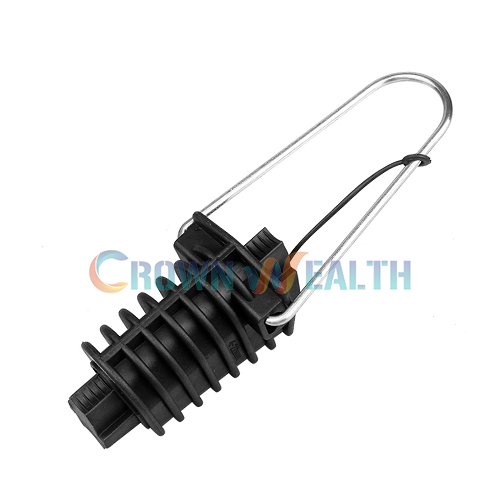
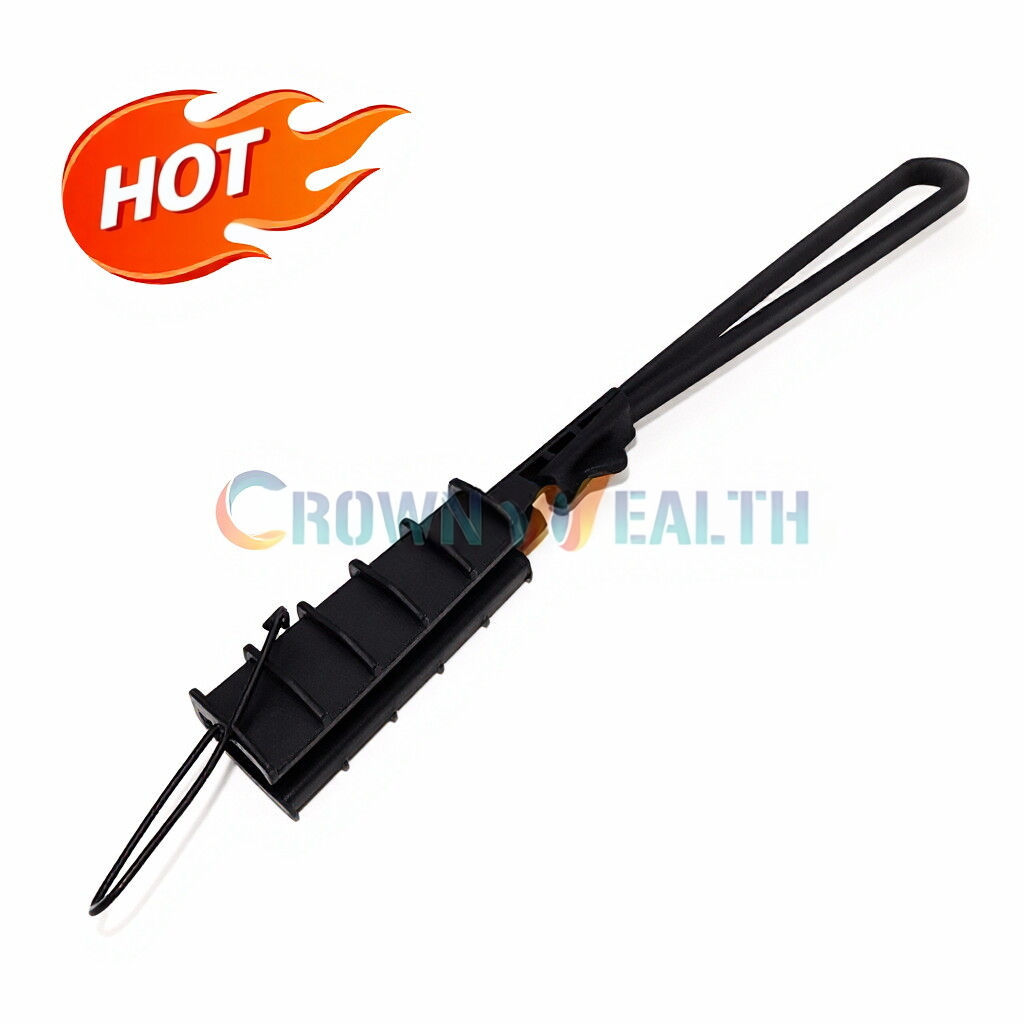
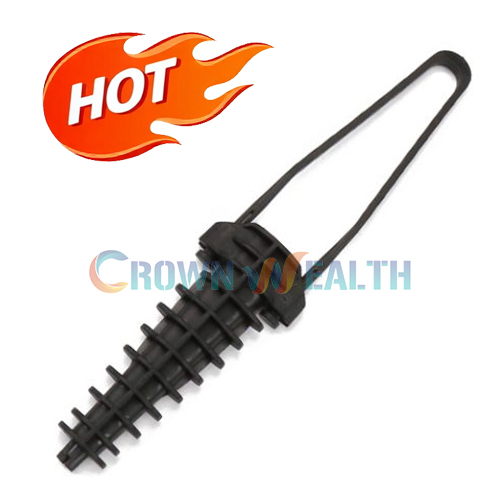
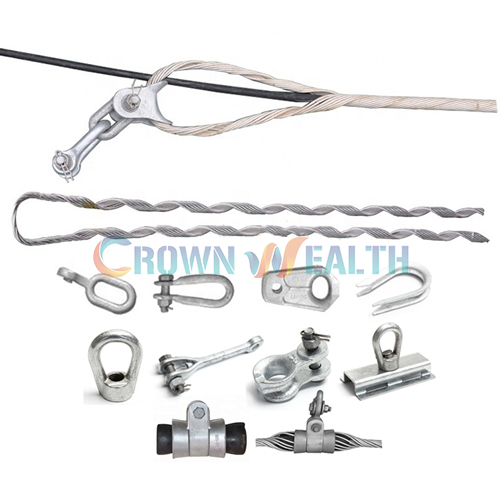
As a leading supplier of OPGW Strain Clamps, I understand the critical importance of ensuring the performance of these essential components in overhead power line systems. OPGW (Optical Ground Wire) Strain Clamps are designed to secure the OPGW cable to the tower, providing mechanical support and electrical continuity. Testing the performance of these clamps is crucial to guarantee the reliability and safety of the entire power grid. In this blog post, I will share some key methods and considerations for testing the performance of OPGW Strain Clamps.
1. Understanding the Performance Requirements
Before diving into the testing process, it's essential to have a clear understanding of the performance requirements for OPGW Strain Clamps. These requirements are typically defined by industry standards such as IEEE, IEC, and national electrical codes. The main performance aspects to consider include:
- Mechanical Strength: The clamp must be able to withstand the mechanical forces exerted on the OPGW cable, including tension, wind, and ice loads.
- Electrical Conductivity: Good electrical conductivity is necessary to ensure proper grounding and prevent electrical interference.
- Corrosion Resistance: Since OPGW Strain Clamps are exposed to various environmental conditions, they need to have excellent corrosion resistance to maintain their performance over time.
- Vibration Damping: The clamp should be able to dampen vibrations caused by wind or other factors to prevent damage to the cable.
2. Mechanical Testing
Mechanical testing is one of the most important aspects of evaluating the performance of OPGW Strain Clamps. Here are some common mechanical tests:


Tensile Test
The tensile test is used to determine the maximum tension that the clamp can withstand before failure. In this test, the clamp is attached to a test fixture, and a gradually increasing tensile load is applied until the clamp fails. The failure load and the deformation of the clamp during the test are recorded.
Bending Test
The bending test is used to evaluate the ability of the clamp to withstand bending forces. The clamp is subjected to a specified bending moment, and the deformation and integrity of the clamp are examined.
Fatigue Test
The fatigue test simulates the long-term effects of cyclic loading on the clamp. The clamp is subjected to a repeated tensile load for a specified number of cycles, and the fatigue life of the clamp is determined.
3. Electrical Testing
Electrical testing is crucial to ensure the proper functioning of the OPGW Strain Clamp in terms of electrical conductivity. Here are some common electrical tests:
Resistance Test
The resistance test measures the electrical resistance of the clamp. A low resistance value indicates good electrical conductivity. The test is typically performed using a micro-ohmmeter.
Grounding Test
The grounding test verifies that the clamp provides a reliable electrical connection to the ground. This is important for protecting the power grid from lightning strikes and other electrical hazards.
4. Corrosion Testing
Corrosion testing is used to evaluate the corrosion resistance of the OPGW Strain Clamp. Here are some common corrosion tests:
Salt Spray Test
The salt spray test exposes the clamp to a salt mist environment for a specified period of time. The corrosion rate and the appearance of the clamp are then evaluated.
Immersion Test
The immersion test involves immersing the clamp in a corrosive solution for a certain period of time. The weight loss and the surface condition of the clamp are measured to assess its corrosion resistance.
5. Vibration Testing
Vibration testing is used to evaluate the ability of the OPGW Strain Clamp to dampen vibrations. In this test, the clamp is subjected to a vibrating load, and the vibration amplitude and frequency are measured. A good clamp should be able to reduce the vibration levels effectively.
6. Testing Equipment and Standards
To ensure accurate and reliable test results, it's important to use appropriate testing equipment and follow relevant industry standards. Some common testing equipment includes:
- Universal Testing Machine: Used for mechanical testing such as tensile, bending, and fatigue tests.
- Micro-Ohmmeter: Used for measuring electrical resistance.
- Salt Spray Chamber: Used for corrosion testing.
- Vibration Testing System: Used for vibration testing.
Industry standards such as IEEE 1138 and IEC 62216 provide detailed guidelines for testing the performance of OPGW Strain Clamps. It's important to follow these standards to ensure the quality and reliability of the clamps.
7. Our Product Range
As a supplier of OPGW Strain Clamps, we offer a wide range of high-quality products to meet the diverse needs of our customers. Our product range includes:
- OPGW Performed Helical Suspension Clamp: Designed to provide reliable suspension support for OPGW cables.
- OPGW Preformed Helical Tension Clamp: Ideal for applications where high tension is required.
- Double Suspension Clamp for OPGW: Suitable for double suspension installations.
All our products are rigorously tested to ensure they meet or exceed industry standards. We are committed to providing our customers with the best products and services.
8. Conclusion
Testing the performance of OPGW Strain Clamps is a critical step in ensuring the reliability and safety of overhead power line systems. By following the methods and considerations outlined in this blog post, you can effectively evaluate the performance of these clamps and make informed decisions when selecting the right products for your projects.
If you are interested in our OPGW Strain Clamps or have any questions about testing and performance evaluation, please feel free to contact us. We look forward to discussing your requirements and providing you with the best solutions.
References
- IEEE 1138 - IEEE Standard for the Design, Testing, and Performance of Fiber Optic Ground Wire (OPGW)
- IEC 62216 - Optical fibre cables - Generic specification for optical ground wires (OPGW)