Hey there! As a supplier of ADSS fittings, I often get asked some pretty interesting questions. One that pops up quite a bit is, "Can ADSS fittings be used in areas with low air pressure?" Well, let's dig into this topic and find out.
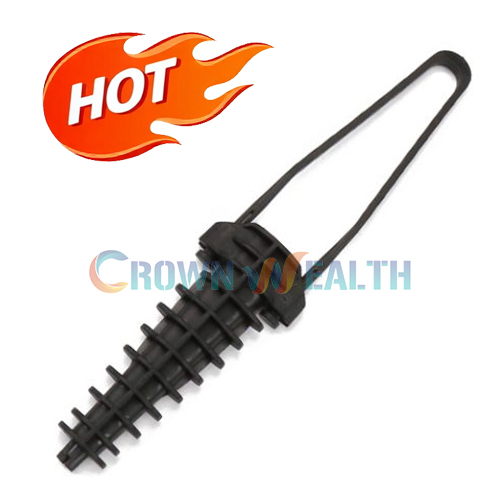
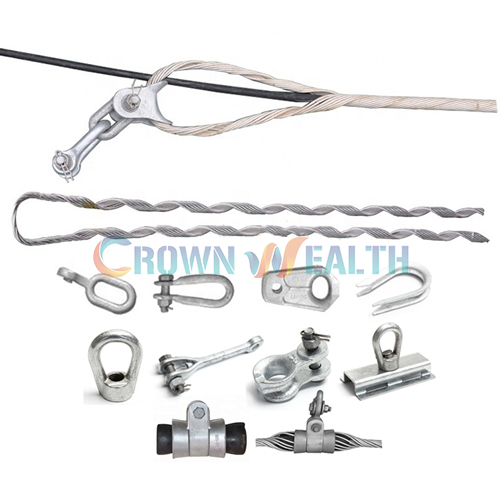
First off, let's quickly go over what ADSS fittings are. ADSS stands for All - Dielectric Self - Supporting. These fittings are used to install and support ADSS fiber optic cables, which are commonly used in power utility communication networks. They come in different types, like the ADSS Cable Storage Bracket, Down Lead Clamp for Pole Or Tower, and ADSS Tension Clamp. Each of these has its own specific function in the cable installation process.
Now, when it comes to low - air - pressure areas, we're usually talking about high - altitude regions. These places have lower air density compared to sea - level areas. The air pressure drops as you go higher up, and this can have some impacts on various materials and equipment.
One of the main concerns with using ADSS fittings in low - air - pressure areas is the effect on the materials. Most ADSS fittings are made from a combination of polymers, metals, and composite materials. Polymers, which are often used for insulation and protection, can be affected by low air pressure. At high altitudes, the lower air pressure means there's less oxygen and moisture in the air. This can lead to a phenomenon called outgassing in some polymers. Outgassing is when volatile substances in the polymer material are released into the surrounding environment. Over time, this can cause the material to degrade, lose its mechanical properties, and potentially affect the performance of the fitting.
For example, the ADSS Cable Storage Bracket, which is used to store excess cable length, might have parts made of polymer. If outgassing occurs, the bracket could become brittle, and its structural integrity could be compromised. This could lead to the bracket not being able to hold the cable properly, increasing the risk of cable damage.
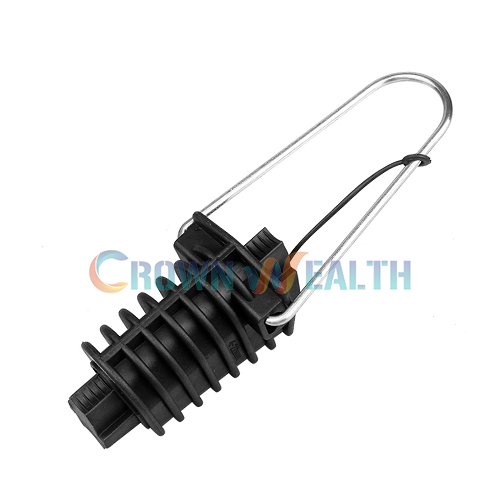
Another aspect to consider is the electrical performance. In low - air - pressure environments, the dielectric strength of the air changes. Dielectric strength is the maximum electric field that a material can withstand without breaking down and conducting electricity. With lower air pressure, the dielectric strength of the air decreases. This means that there's a higher risk of electrical arcing between conductive parts of the ADSS fittings, especially in the case of the ADSS Tension Clamp. Electrical arcing can cause damage to the fitting, as well as the cable it's supporting. It can also lead to power outages and pose a safety hazard.
However, it's not all doom and gloom. There are ways to mitigate these issues. Manufacturers can use special materials that are more resistant to outgassing and have better performance in low - air - pressure conditions. For instance, some advanced polymers are formulated to have low outgassing rates, even in high - altitude environments. These materials can be used in the construction of ADSS fittings to ensure their long - term reliability.
In addition, proper design and installation practices can also help. When installing ADSS fittings in low - air - pressure areas, it's important to follow strict guidelines. For example, the spacing between conductive parts should be increased to reduce the risk of electrical arcing. The fittings should also be installed in a way that minimizes stress on the materials, especially considering the potential changes in mechanical properties due to outgassing.
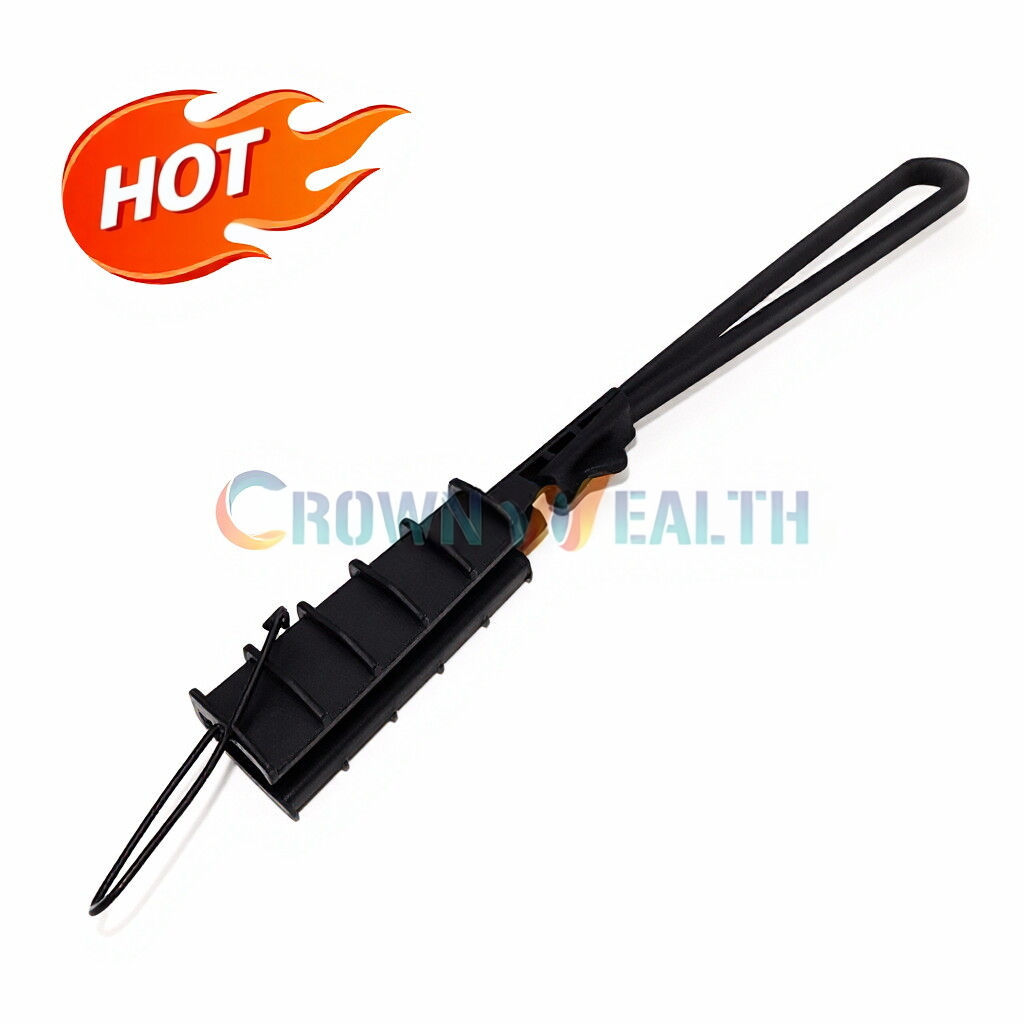
Let's talk about the Down Lead Clamp for Pole Or Tower. This fitting is used to secure the cable as it runs down from the pole or tower. In a low - air - pressure area, it's crucial to ensure that the clamp is properly tightened. The lower air pressure can cause the materials to expand or contract at a different rate compared to normal conditions. If the clamp is not tightened correctly, it could loosen over time, leading to cable movement and potential damage.
We also need to consider the impact of temperature variations in low - air - pressure areas. High - altitude regions often experience large temperature swings between day and night. These temperature changes can cause the materials in the ADSS fittings to expand and contract. If the fittings are not designed to handle these thermal cycles, it can lead to fatigue and failure. For example, the metal parts of the fittings might develop cracks due to repeated expansion and contraction.


To test the suitability of ADSS fittings for low - air - pressure areas, manufacturers conduct a series of tests. These include high - altitude simulation tests, where the fittings are placed in chambers that mimic the low - air - pressure and temperature conditions of high - altitude regions. Through these tests, manufacturers can identify any potential issues and make necessary improvements to the design and materials.
Another important factor is the maintenance of ADSS fittings in low - air - pressure areas. Regular inspections are essential to detect any signs of damage or degradation early on. Maintenance crews should look for signs of outgassing, such as a powdery residue on the polymer parts, or signs of electrical arcing, like black marks on the conductive parts. By catching these issues early, they can be addressed before they cause major problems.
In conclusion, while there are challenges associated with using ADSS fittings in low - air - pressure areas, it is definitely possible with the right approach. By using suitable materials, following proper design and installation practices, and conducting regular maintenance, ADSS fittings can perform well in high - altitude environments.
If you're in the market for ADSS fittings, especially if you're dealing with low - air - pressure areas, we're here to help. We have a wide range of high - quality ADSS fittings that are designed to meet the specific requirements of different environments. Whether you need an ADSS Cable Storage Bracket, a Down Lead Clamp for Pole Or Tower, or an ADSS Tension Clamp, we've got you covered. Reach out to us to discuss your needs, and we can work together to find the best solutions for your project.
References:
- "High - Altitude Effects on Electrical Equipment" - IEEE Transactions on Power Delivery
- "Polymer Degradation in Low - Pressure Environments" - Journal of Materials Science