Hey there! As a supplier of aluminum joint boxes, I often get asked about the materials used to make these nifty little things. So, I thought I'd take a few minutes to break it down for you.
Let's start with the star of the show: aluminum. Aluminum is the primary material for making an aluminum joint box, and there are good reasons for that. First off, it's lightweight. Compared to other metals like steel, aluminum is significantly lighter, which makes it easier to handle during installation. Whether you're mounting the joint box on a pole or in a tight space, the reduced weight is a huge plus.
Another great thing about aluminum is its corrosion resistance. Aluminum naturally forms a thin oxide layer on its surface when exposed to air. This layer acts as a protective barrier, preventing the metal from rusting or corroding over time. So, even if your joint box is installed outdoors in a humid or corrosive environment, it can withstand the elements and last for a long time.
But not all aluminum is created equal. For our aluminum joint boxes, we use high - quality aluminum alloys. These alloys are specifically formulated to enhance the properties of pure aluminum. For example, some alloys might have added elements like copper, magnesium, or zinc. Adding copper can increase the strength of the aluminum, while magnesium can improve its weldability. This way, we can ensure that our joint boxes are not only lightweight and corrosion - resistant but also strong enough to handle the stresses they might encounter.
Now, besides aluminum, there are other materials used in the construction of an aluminum joint box. One of these is plastic. Plastic components are often used for insulation and protection. For instance, the inner liners or covers of the joint box might be made of plastic. Plastic is a great insulator, which helps to prevent electrical interference and short - circuits. It's also flexible and can be easily molded into different shapes to fit the specific design of the joint box.
Sealing materials are also crucial. Silicone rubber is a common choice for sealing the joints and openings of the aluminum joint box. Silicone rubber has excellent weather resistance, high and low - temperature stability, and good elasticity. It can form a tight seal, preventing dust, water, and other contaminants from entering the box. This is especially important for protecting the electrical connections inside the joint box, as any moisture or dirt can cause damage and affect the performance of the system.
Fasteners are another important part of the equation. We use stainless - steel screws and bolts to assemble the different parts of the aluminum joint box. Stainless steel is chosen because it, like aluminum, is corrosion - resistant. This ensures that the fasteners won't rust or loosen over time, keeping the joint box securely assembled.
When it comes to the finishing touches, we might use powder coating on the surface of the aluminum joint box. Powder coating not only gives the box a nice, smooth appearance but also provides an additional layer of protection. It can enhance the box's resistance to scratches, UV rays, and chemical damage.
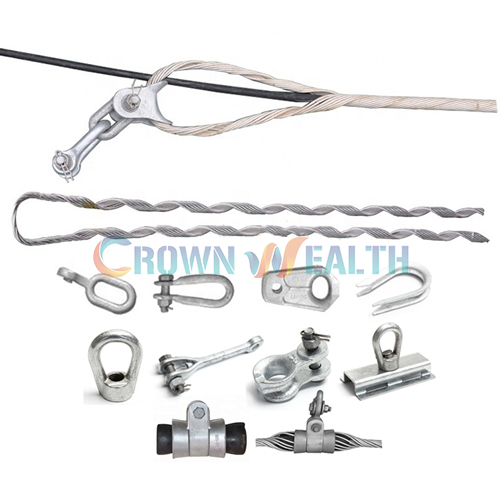
Now, if you're in the business of fiber - optic cable fitting, you might also be interested in some related products. For example, we have the OPGW Performed Suspension Clamp. This clamp is designed to support OPGW (Optical Ground Wire) cables in a reliable way. It's made with high - quality materials to ensure long - term performance.
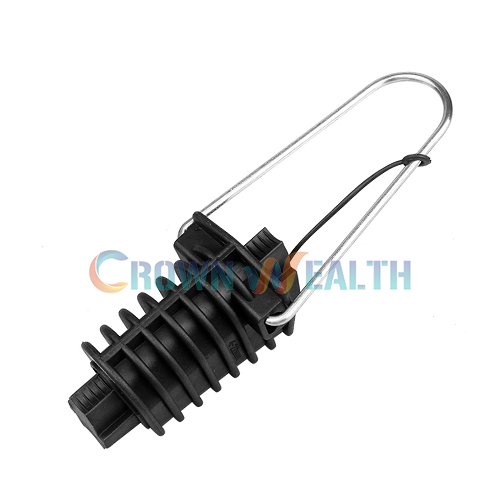
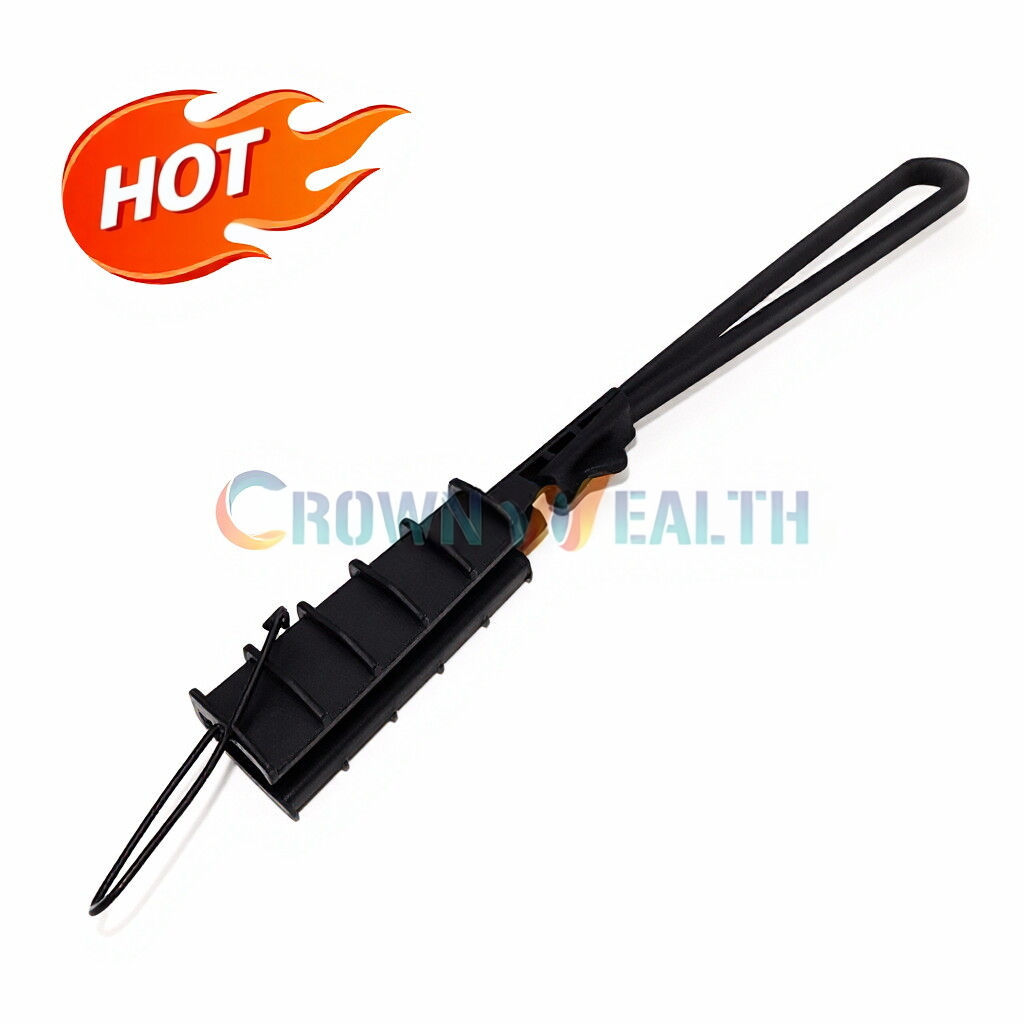
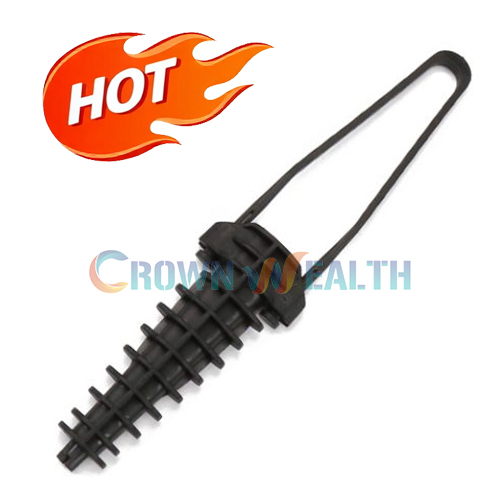
Another product is the Tension Clamp for Overhead Line. This clamp is used to provide the necessary tension for overhead lines, ensuring that they stay in place and function properly.
And then there's the OPGW Preformed Tension Clamp. This clamp is pre - formed to fit OPGW cables precisely, offering a high - strength and reliable connection.
If you're looking for high - quality aluminum joint boxes or any of the related products I mentioned, don't hesitate to reach out. We're here to provide you with the best solutions for your needs. Whether you're a small - scale installer or a large - scale contractor, we can offer the right products at competitive prices.
So, if you're interested in discussing your requirements or getting a quote, just drop us a line. We'll be more than happy to assist you in finding the perfect products for your projects.
References


- "Aluminum Alloys: Properties and Applications" - A technical guide on the characteristics and uses of different aluminum alloys.
- "Plastic Materials in Electrical Insulation" - A study on the role of plastics in electrical insulation applications.
- "Silicone Rubber Sealing Solutions" - Information on the properties and benefits of silicone rubber as a sealing material.