Vibration is a common phenomenon in various industrial and mechanical applications that can lead to a multitude of problems. From reducing the lifespan of equipment to causing discomfort and even safety hazards, the negative impacts of vibration are far - reaching. As a vibration damper supplier, I have witnessed firsthand the transformative power of combining vibration dampers with isolation mounts. In this blog, I will delve into the numerous benefits of this combination and how it can enhance the performance and longevity of your equipment.
1. Enhanced Vibration Reduction
One of the most significant benefits of combining vibration dampers with isolation mounts is the enhanced ability to reduce vibration. Vibration dampers are designed to dissipate the energy generated by vibrations, converting it into heat. They work by using materials with high damping coefficients, such as rubber or viscoelastic polymers, to absorb and disperse the vibrational energy.
Isolation mounts, on the other hand, are used to physically separate the vibrating equipment from its surroundings. They typically consist of elastomeric materials or springs that isolate the equipment from the structure it is mounted on, preventing the transfer of vibrations. When used together, vibration dampers and isolation mounts create a multi - layer defense against vibration. The dampers reduce the amplitude of the vibrations at the source, while the isolation mounts prevent the remaining vibrations from spreading to the surrounding environment.
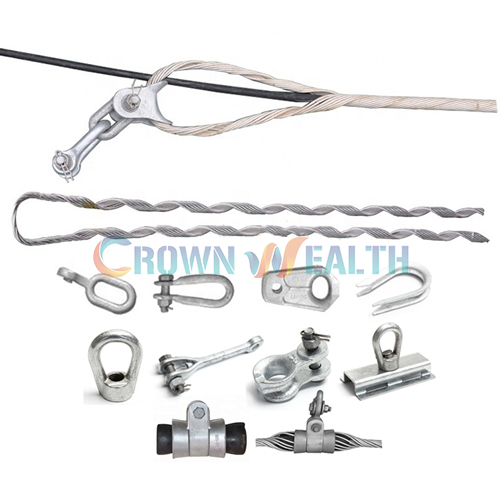
For example, in a manufacturing plant, a large industrial machine may generate significant vibrations during operation. By installing Helical Spiral Vibration Damper directly on the machine and using isolation mounts to secure it to the floor, the overall vibration levels can be drastically reduced. This not only protects the machine itself from premature wear and tear but also minimizes the impact of the vibrations on the surrounding equipment and the building structure.
2. Improved Equipment Performance
Excessive vibration can have a detrimental effect on the performance of equipment. It can cause misalignment of components, leading to increased friction, wear, and energy consumption. By combining vibration dampers with isolation mounts, the stability of the equipment is improved, allowing it to operate more efficiently.
In precision machinery, such as CNC machines or optical instruments, even the slightest vibration can result in inaccurate measurements or poor machining quality. Vibration dampers can help to dampen the high - frequency vibrations that are often generated by the internal moving parts of these machines, while isolation mounts isolate them from external vibrations, such as those caused by nearby machinery or foot traffic. This ensures that the equipment can operate at its optimal level, producing high - quality products with greater precision.
In the automotive industry, the combination of vibration dampers and isolation mounts is crucial for improving the ride comfort and handling of vehicles. Engine vibration dampers reduce the vibrations generated by the engine, while isolation mounts isolate the engine from the vehicle's chassis. This not only improves the overall driving experience but also enhances the durability of the engine and other components.
3. Extended Equipment Lifespan
Vibration is a major cause of equipment failure. The continuous stress and fatigue caused by vibrations can lead to cracks, fractures, and other forms of damage in the equipment's components. By reducing vibration levels, the combination of vibration dampers and isolation mounts can significantly extend the lifespan of equipment.
In power transmission systems, such as overhead power lines, vibrations can cause the conductors to sway and oscillate, leading to fatigue and eventual breakage. Tuning Fork Vibration Damper are commonly used to reduce these vibrations. When combined with isolation mounts at the support structures, the overall stress on the conductors is further reduced, increasing their lifespan and reducing the need for frequent maintenance and replacement.
In industrial pumps and compressors, vibration can cause the bearings, seals, and other critical components to wear out prematurely. By installing vibration dampers and isolation mounts, the vibrations are minimized, reducing the wear and tear on these components and extending the service life of the equipment.
4. Noise Reduction
Vibration is often accompanied by noise. The impact of vibrating components against each other or the transfer of vibrations to the surrounding structure can generate loud and annoying noise. By reducing vibration, the combination of vibration dampers and isolation mounts can also effectively reduce noise levels.
In a commercial building, HVAC systems can be a major source of noise. The vibrations generated by the fans, compressors, and pumps can be transmitted through the ductwork and the building structure, creating a noisy environment. By using vibration dampers on the equipment and isolation mounts to isolate it from the building, the noise levels can be significantly reduced, providing a more comfortable and quiet working or living environment.
In a data center, servers and other electronic equipment generate heat and vibrations. The vibrations can cause the equipment to rattle and produce noise, which can be a distraction to the staff and may also indicate potential problems with the equipment. By implementing vibration dampers and isolation mounts, the noise levels can be minimized, ensuring a quiet and efficient operation of the data center.
5. Safety Improvement
Excessive vibration can pose a safety hazard. In some cases, it can cause equipment to become unstable, leading to potential accidents. For example, in a construction site, large cranes and other heavy equipment may experience vibrations during operation. If these vibrations are not properly controlled, they can cause the equipment to tip over or malfunction, endangering the lives of the operators and the workers in the vicinity.
By combining vibration dampers with isolation mounts, the stability of the equipment is improved, reducing the risk of accidents. The dampers and mounts help to keep the equipment in place and prevent it from vibrating excessively, ensuring a safer working environment.
In the aerospace industry, vibration can have a critical impact on the safety of aircraft. The vibrations generated by the engines, air turbulence, and other factors can affect the structural integrity of the aircraft. Vibration dampers and isolation mounts are used to reduce these vibrations, ensuring the safe operation of the aircraft and the well - being of the passengers and crew.


6. Flexibility in Design and Installation
Another advantage of combining vibration dampers with isolation mounts is the flexibility it offers in design and installation. Vibration dampers come in a variety of shapes, sizes, and materials, allowing them to be customized to meet the specific needs of different applications. Isolation mounts also offer a wide range of options, including different stiffness values and mounting configurations.
This flexibility allows engineers and designers to optimize the vibration control system for each application. For example, in a complex industrial process where multiple pieces of equipment are installed in a limited space, the combination of vibration dampers and isolation mounts can be carefully designed to fit the available space and provide the best possible vibration reduction.
In addition, the installation of vibration dampers and isolation mounts is relatively straightforward. They can be easily retrofitted to existing equipment, making it a cost - effective solution for improving the performance and reliability of older machinery.
Conclusion
The combination of vibration dampers with isolation mounts offers a wide range of benefits, including enhanced vibration reduction, improved equipment performance, extended equipment lifespan, noise reduction, safety improvement, and flexibility in design and installation. As a vibration damper supplier, I understand the importance of providing high - quality products that can effectively address the vibration challenges faced by various industries.
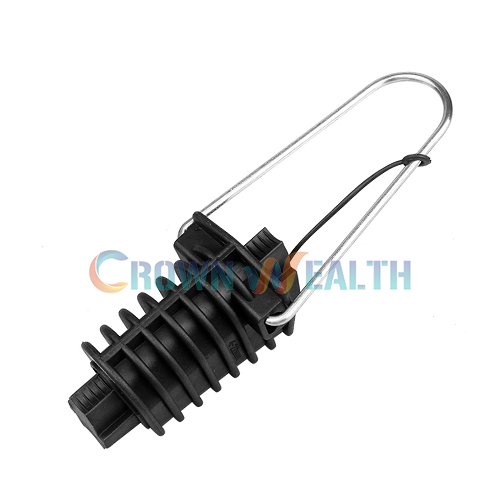
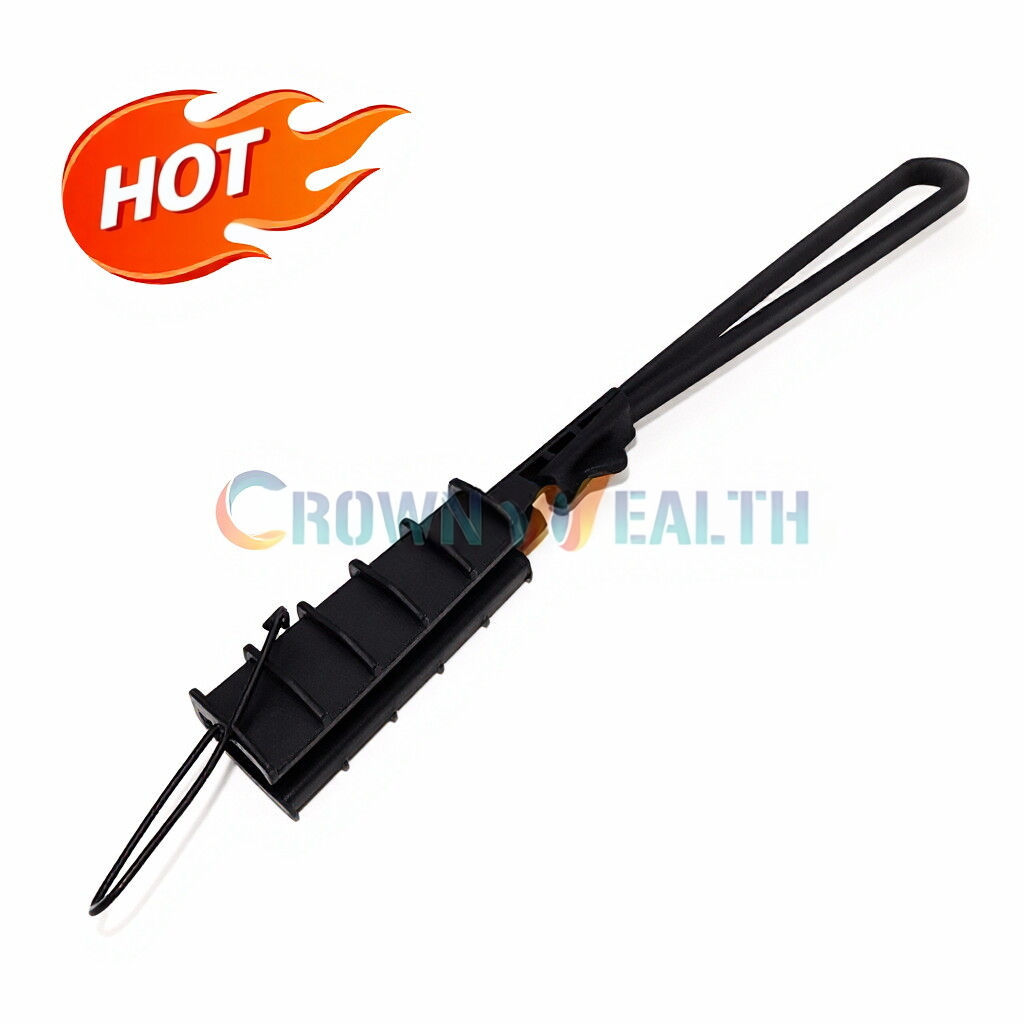
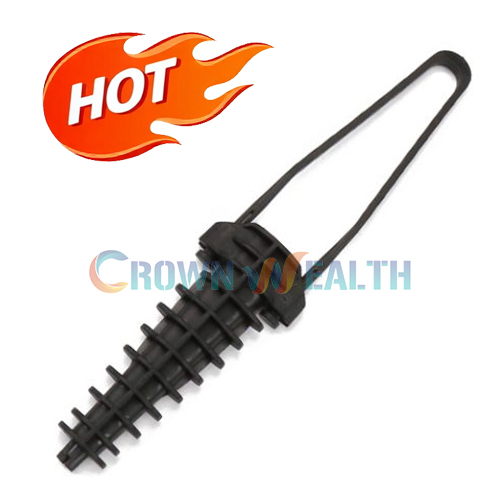
If you are looking for solutions to reduce vibration in your equipment or improve its performance, I encourage you to explore our range of Cable Guy Grips, Helical Spiral Vibration Damper, and Tuning Fork Vibration Damper. Our team of experts is ready to work with you to design and implement a customized vibration control system that meets your specific needs. Contact us today to start the conversation about how we can help you optimize your equipment and achieve better results.
References
- Meirovitch, L. (2001). Fundamentals of vibrations. McGraw - Hill.
- Inman, D. J. (2014). Engineering vibration. Prentice Hall.
- Harris, C. M., & Crede, C. E. (1976). Shock and vibration handbook. McGraw - Hill.