What is the Compressive Strength of Preformed Armor?
As a supplier of preformed armor, I've been frequently asked about the compressive strength of this essential product. Preformed armor plays a crucial role in various industries, especially in the electrical and telecommunications sectors. In this blog, I'll delve into the concept of compressive strength of preformed armor, its significance, and how it impacts the performance of the product.
Understanding Compressive Strength
Compressive strength refers to the ability of a material to withstand a compressive load without failure. In the context of preformed armor, it is the maximum amount of pressure that the armor can endure before it starts to deform or break. This property is of utmost importance as preformed armor is often subjected to various external forces in its application scenarios.
For example, in overhead power lines, preformed armor is used to protect conductors from mechanical damage, such as abrasion, vibration, and ice loading. These external forces exert compressive stress on the armor. If the compressive strength of the preformed armor is insufficient, it may not be able to protect the conductor effectively, leading to potential failures and safety hazards.


Factors Affecting Compressive Strength
Several factors can influence the compressive strength of preformed armor. One of the primary factors is the material used in its manufacturing. Preformed armor is commonly made from materials such as aluminum alloy, steel, or composite materials. Each material has its own unique mechanical properties, which directly affect the compressive strength.
Aluminum alloy preformed armor is lightweight and has good corrosion resistance. However, its compressive strength is relatively lower compared to steel. Steel preformed armor, on the other hand, has high compressive strength and is suitable for applications where high mechanical protection is required. Composite materials offer a combination of properties, such as high strength - to - weight ratio and good corrosion resistance, and their compressive strength can be tailored according to specific requirements.
The design and manufacturing process also play a significant role in determining the compressive strength. The shape and structure of the preformed armor can affect how it distributes the compressive load. For instance, a well - designed preformed armor with a proper helix angle and pitch can distribute the load more evenly, thereby increasing its compressive strength. Additionally, the quality of the manufacturing process, including the precision of forming and the quality of the raw materials, can have a direct impact on the final compressive strength of the product.
Measuring Compressive Strength
The compressive strength of preformed armor is typically measured through standardized testing methods. One common method is the compression test, where a sample of the preformed armor is placed between two platens of a testing machine. A gradually increasing compressive load is applied to the sample until it fails. The maximum load applied at the point of failure is recorded, and this value is used to calculate the compressive strength of the material.
The test results are usually reported in units of pressure, such as megapascals (MPa) or pounds per square inch (psi). These values provide a quantitative measure of the compressive strength of the preformed armor, allowing engineers and designers to select the appropriate product for their specific applications.
Importance of Compressive Strength in Applications
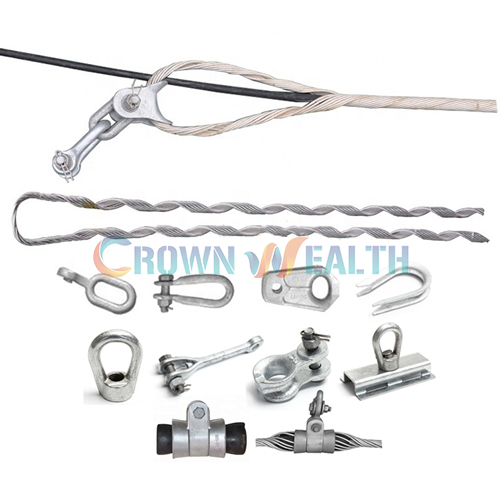
In the electrical industry, the compressive strength of preformed armor is critical for ensuring the reliability and safety of power transmission and distribution systems. For example, Preformed Conductor Tension Set is often used in overhead power lines to support and protect conductors. A preformed armor with high compressive strength can better withstand the tension and compression forces exerted on the conductors, reducing the risk of conductor breakage and power outages.
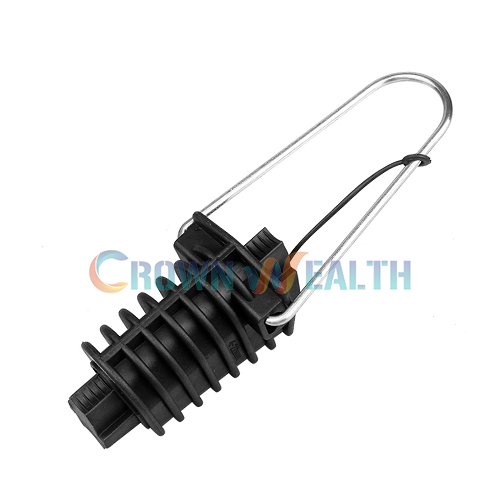
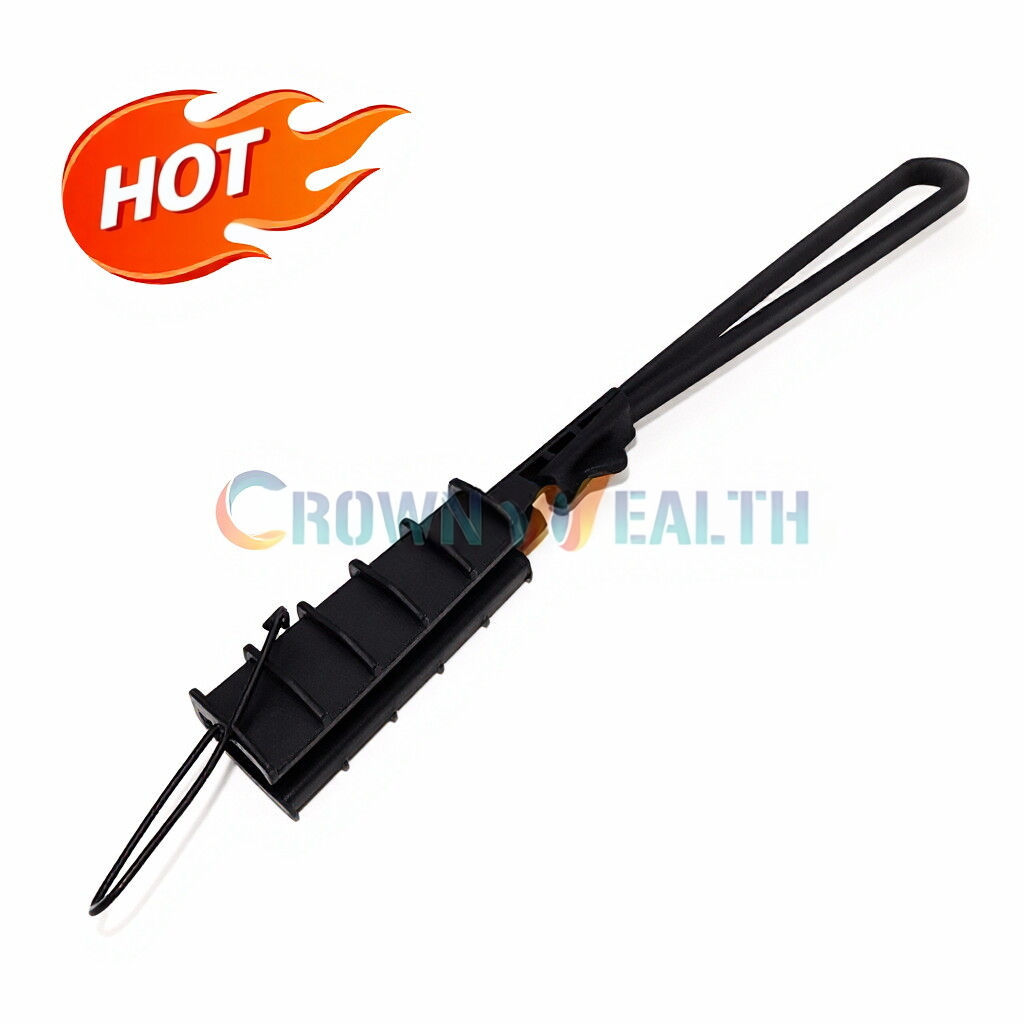
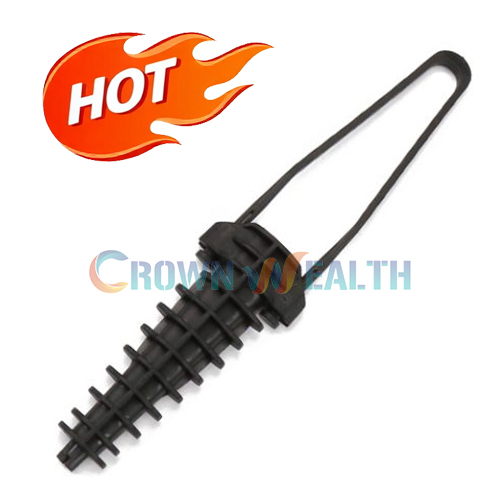
In the telecommunications industry, preformed armor is used to protect fiber optic cables from mechanical damage. Dead End Guy Grips are an important component in these applications. The compressive strength of the preformed armor in these grips ensures that the cables are securely held in place and protected from external forces, such as wind and ice.
In addition, Preformed Armor Rods for Conductor Repair are used to repair damaged conductors. The compressive strength of these rods is essential for restoring the mechanical integrity of the conductors and preventing further damage.
Selecting the Right Preformed Armor Based on Compressive Strength
When selecting preformed armor, it is crucial to consider the specific requirements of the application. The expected compressive load, environmental conditions, and the type of conductor or cable being protected all need to be taken into account.
For applications with low to moderate compressive loads, aluminum alloy preformed armor may be a suitable choice due to its lightweight and corrosion - resistant properties. However, for applications where high compressive strength is required, such as in areas with severe weather conditions or high - traffic areas, steel or composite preformed armor may be more appropriate.
It is also important to work with a reliable supplier who can provide accurate information about the compressive strength of their products. A good supplier will be able to offer technical support and guidance to help you select the right preformed armor for your specific needs.
Conclusion
The compressive strength of preformed armor is a key property that determines its performance and suitability for various applications. Understanding the factors that affect compressive strength, how it is measured, and its importance in different industries is essential for making informed decisions when selecting preformed armor.
As a supplier of preformed armor, I am committed to providing high - quality products with reliable compressive strength. If you are in need of preformed armor for your project, I encourage you to contact me for more information and to discuss your specific requirements. Our team of experts is ready to assist you in finding the best solution for your application. Whether you need Preformed Conductor Tension Set, Dead End Guy Grips, or Preformed Armor Rods for Conductor Repair, we have the products and knowledge to meet your needs. Let's start a conversation about how we can work together to ensure the success of your project.
References
- ASTM International. (Year). Standard test methods for compression testing of rigid plastics. ASTM D695.
- International Electrotechnical Commission. (Year). IEC standards for electrical conductors and accessories.