In the dynamic landscape of modern product design and manufacturing, modularity has emerged as a cornerstone principle, driving innovation, efficiency, and adaptability. At the heart of this modular revolution lies the often-overlooked yet indispensable role of fastening fixtures. As a leading provider of fastening solutions, I've witnessed firsthand how these seemingly simple components can transform the way products are designed, assembled, and utilized. In this blog post, I'll delve into the ways in which fastening fixtures contribute to the modularity of a product, exploring real-world examples and highlighting the benefits they offer to manufacturers and end-users alike.
1. Enabling Easy Assembly and Disassembly
One of the primary ways in which fastening fixtures contribute to product modularity is by enabling easy assembly and disassembly. Modular products are designed to be composed of individual components that can be quickly and easily connected and disconnected. Fastening fixtures such as screws, bolts, clips, and snaps provide a reliable and efficient means of joining these components together, allowing for rapid assembly on the production line and convenient disassembly for maintenance, repair, or upgrades.
For example, in the electronics industry, modular circuit boards are often used to simplify the manufacturing process and facilitate future upgrades. These circuit boards are typically held together using a combination of screws and connectors, which allow for easy installation and removal of individual components. This modular design not only reduces assembly time and costs but also makes it easier to replace faulty components or add new functionality as needed.


Similarly, in the furniture industry, modular furniture systems are becoming increasingly popular due to their flexibility and ease of assembly. These systems typically use a variety of fastening fixtures, such as dowels, cam locks, and corner brackets, to join individual pieces of furniture together. This allows consumers to easily assemble and disassemble the furniture as needed, making it ideal for apartment living or frequent moves.
2. Facilitating Component Interchangeability
Another key benefit of fastening fixtures is their ability to facilitate component interchangeability. In a modular product, individual components are designed to be standardized and interchangeable, allowing for easy replacement and customization. Fastening fixtures play a crucial role in ensuring that these components can be easily swapped out without the need for extensive rework or modification.
For instance, in the automotive industry, modular engine components are often used to improve efficiency and reduce costs. These components, such as cylinder heads, pistons, and crankshafts, are designed to be interchangeable across different engine models, allowing for easy replacement and repair. Fastening fixtures, such as bolts and gaskets, are used to secure these components in place, ensuring a tight and reliable fit.
In the aerospace industry, modular aircraft components are used to simplify maintenance and repair operations. These components, such as wings, fuselage sections, and landing gear, are designed to be easily removed and replaced using a variety of fastening fixtures, such as pins, clamps, and fasteners. This modular design not only reduces downtime and maintenance costs but also makes it easier to upgrade and modify the aircraft as needed.
3. Supporting Customization and Adaptability
Fastening fixtures also play a crucial role in supporting customization and adaptability in modular products. In today's market, consumers are increasingly demanding products that can be tailored to their specific needs and preferences. Modular products, with their ability to be easily customized and adapted, are well-suited to meet this demand. Fastening fixtures allow manufacturers to easily add, remove, or reconfigure components, enabling them to create products that are unique and personalized.
For example, in the consumer electronics industry, modular smartphones are becoming increasingly popular due to their ability to be customized and upgraded. These smartphones typically use a variety of fastening fixtures, such as screws and connectors, to allow for easy removal and replacement of components, such as batteries, cameras, and storage modules. This modular design not only allows consumers to customize their smartphones to suit their needs but also makes it easier to upgrade the device as new technologies become available.
Similarly, in the construction industry, modular building systems are used to provide flexible and adaptable solutions for a variety of applications. These systems typically use a variety of fastening fixtures, such as bolts, nuts, and welds, to join individual building components together. This allows for easy customization and modification of the building layout, making it possible to create unique and functional spaces that meet the specific needs of the client.
4. Enhancing Product Durability and Reliability
In addition to enabling easy assembly, disassembly, interchangeability, and customization, fastening fixtures also play a crucial role in enhancing the durability and reliability of modular products. A well-designed fastening system ensures that components are securely held together, preventing them from coming loose or separating during normal use. This not only improves the overall performance of the product but also reduces the risk of failure and downtime.
For example, in the aerospace industry, fastening fixtures are used to secure critical components, such as wings, engines, and landing gear, to the aircraft structure. These fixtures are designed to withstand extreme temperatures, vibrations, and loads, ensuring that the components remain securely attached to the aircraft at all times. This is essential for ensuring the safety and reliability of the aircraft, especially during flight.
Similarly, in the automotive industry, fastening fixtures are used to secure engine components, suspension systems, and body panels to the vehicle chassis. These fixtures are designed to provide a tight and reliable fit, preventing the components from rattling or vibrating during normal use. This not only improves the comfort and performance of the vehicle but also reduces the risk of premature wear and tear.
Real-World Examples of Fastening Fixtures in Modular Products
To illustrate the importance of fastening fixtures in modular products, let's take a look at some real-world examples.
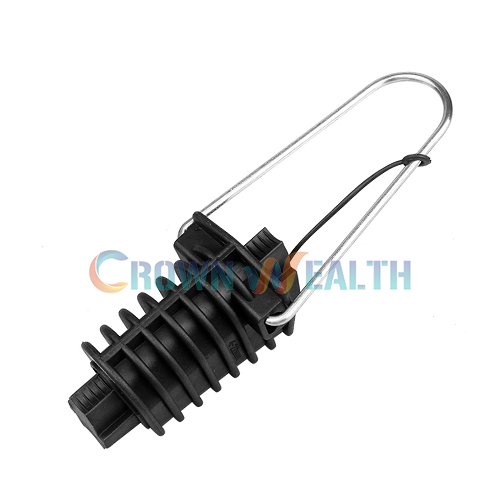
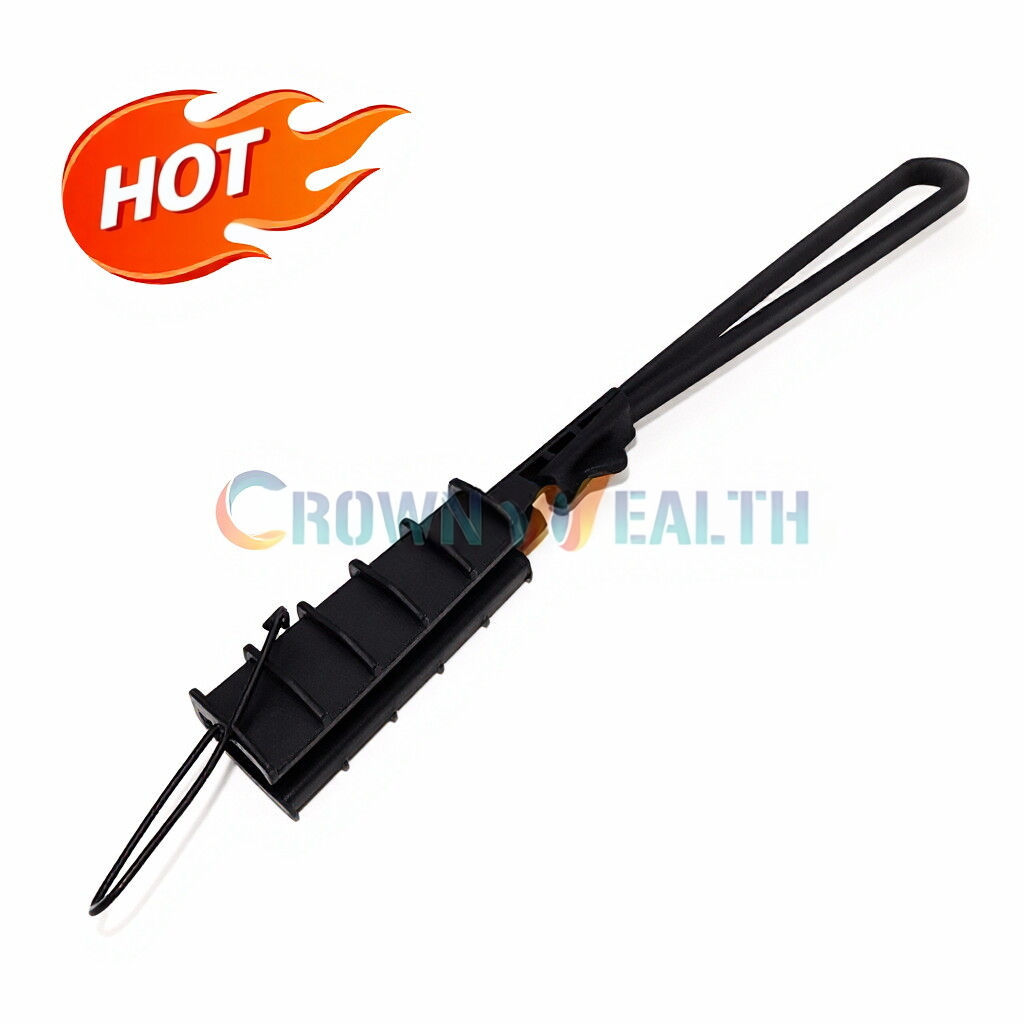
1. Performed Suspension Clamp
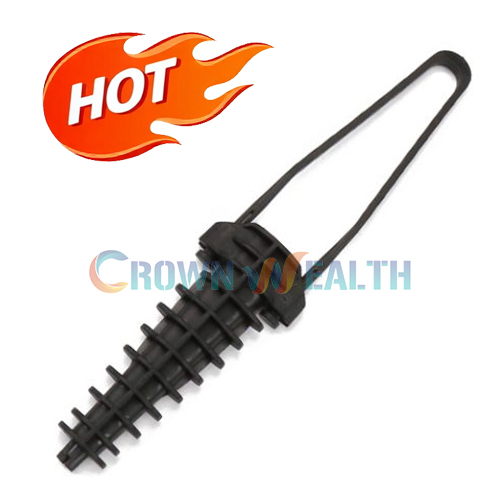
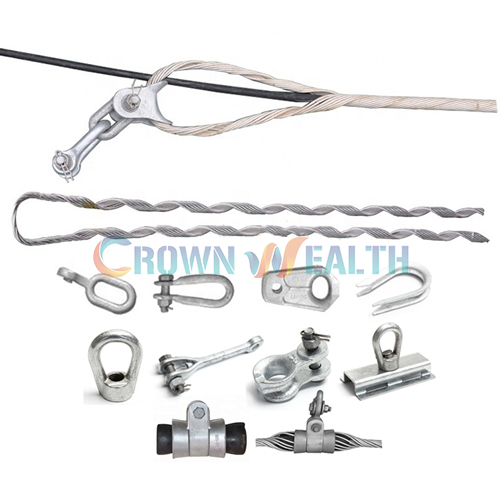
The Performed Suspension Clamp is a type of fastening fixture used in the telecommunications industry to secure fiber optic cables to overhead structures. These clamps are designed to provide a reliable and secure connection, ensuring that the cables remain in place even in harsh environmental conditions. The modular design of these clamps allows for easy installation and removal, making it possible to quickly and easily replace or add new cables as needed.
2. Overhead Line Suspension Clamp
The Overhead Line Suspension Clamp is another type of fastening fixture used in the telecommunications industry to support overhead power lines and fiber optic cables. These clamps are designed to provide a strong and stable connection, preventing the lines from sagging or swinging in the wind. The modular design of these clamps allows for easy adjustment and customization, making it possible to accommodate different types of lines and structures.
3. Preformed Double Suspension Clamp
The Preformed Double Suspension Clamp is a specialized type of fastening fixture used in the telecommunications industry to support heavy-duty fiber optic cables. These clamps are designed to provide a high level of strength and stability, ensuring that the cables remain securely attached to the overhead structure. The modular design of these clamps allows for easy installation and removal, making it possible to quickly and easily replace or add new cables as needed.
Conclusion
In conclusion, fastening fixtures play a crucial role in the modularity of a product. They enable easy assembly and disassembly, facilitate component interchangeability, support customization and adaptability, and enhance product durability and reliability. By choosing the right fastening fixtures for your modular product, you can improve efficiency, reduce costs, and increase customer satisfaction.
As a leading provider of fastening solutions, we offer a wide range of high-quality fastening fixtures to meet the needs of various industries. Whether you're looking for screws, bolts, clips, or other types of fastening fixtures, we have the expertise and experience to help you find the right solution for your application.
If you're interested in learning more about how our fastening fixtures can contribute to the modularity of your product, please don't hesitate to contact us. Our team of experts will be happy to discuss your requirements and provide you with a customized solution that meets your needs.
References
- Ulrich, K. T., & Eppinger, S. D. (2016). Product Design and Development. McGraw-Hill Education.
- Pahl, G., Beitz, W., Feldhusen, J., & Grote, K.-H. (2007). Engineering Design: A Systematic Approach. Springer.
- Boothroyd, G., Dewhurst, P., & Knight, W. A. (2011). Product Design for Manufacture and Assembly. CRC Press.