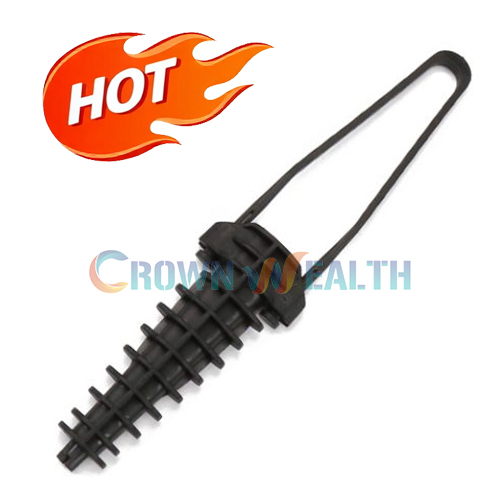
Hey there! I'm a supplier of ADSS Down Lead Clamps, and today I wanna chat about the transportation requirements for these nifty little things.
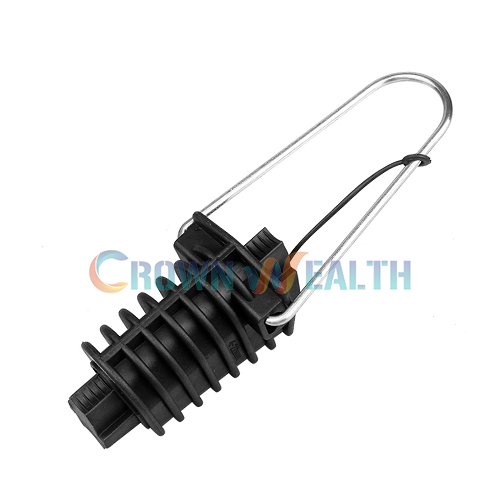
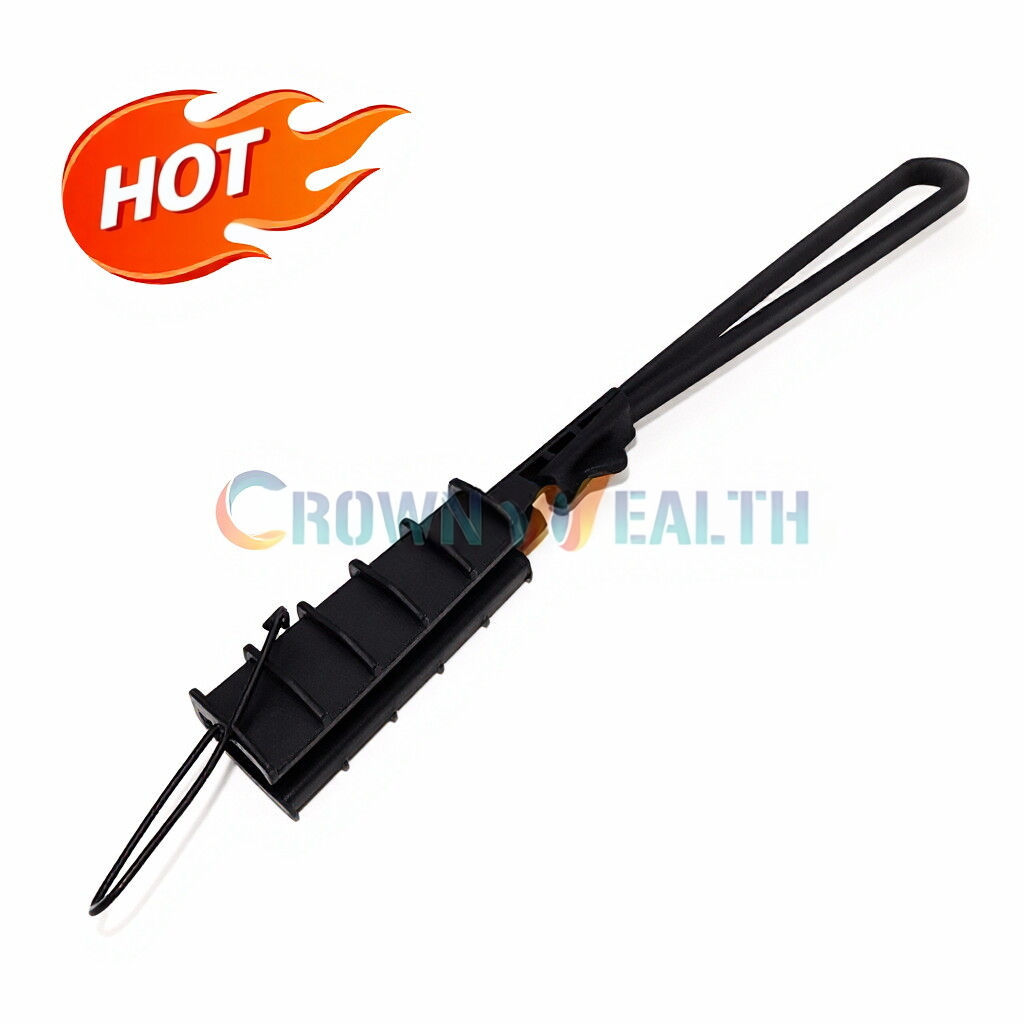
First off, let's understand what an ADSS Down Lead Clamp is. It's a crucial component in fiber - optic cable systems, especially those using All - Dielectric Self - Supporting (ADSS) cables. These clamps are used to secure the down - lead part of the ADSS cable, making sure it stays in place and functions properly.
Packaging for Transportation
When it comes to transporting ADSS Down Lead Clamps, proper packaging is key. We need to protect these clamps from any damage that could occur during transit. Usually, we use sturdy cardboard boxes or plastic containers. Inside the boxes, we place the clamps in foam inserts or bubble wrap. This helps to cushion them and prevent them from hitting against each other or the sides of the container.
We also label the packages clearly. The labels include information like the product name (ADSS Down Lead Clamp), quantity, and any special handling instructions. For example, we might write "Fragile - Handle with Care" if the clamps are made of a more delicate material.
Weight and Size Considerations
The weight and size of the ADSS Down Lead Clamps play a big role in transportation. Different carriers have different weight and size limits. If our clamps are too heavy or too large, we might have to choose a specific carrier that can handle them.
We usually measure the dimensions of the clamps and calculate their weight accurately. This helps us to select the right shipping method. For smaller and lighter clamps, we can use regular postal services or small - parcel carriers. But for larger and heavier shipments, we might need to go with a freight carrier.
Temperature and Humidity
ADSS Down Lead Clamps are often made of materials that can be affected by temperature and humidity. Extreme temperatures can cause the materials to expand or contract, which might damage the clamps. High humidity can lead to corrosion, especially if the clamps have metal parts.
So, when transporting these clamps, we try to keep them in a controlled environment as much as possible. If we're shipping them during very hot or cold seasons, we might use insulated containers. And in areas with high humidity, we can include desiccants in the packaging to absorb moisture.
Compatibility with Other Products
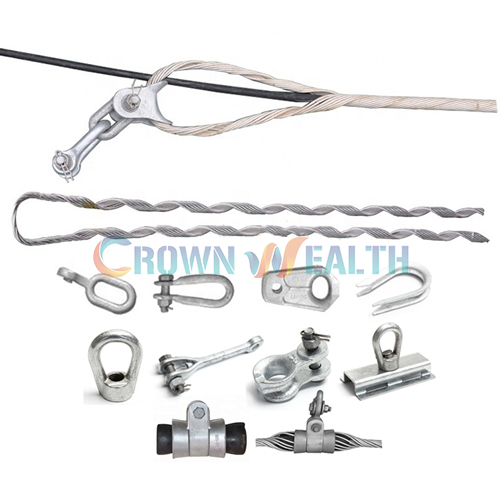
Sometimes, we might need to transport ADSS Down Lead Clamps along with other fiber - optic cable fittings. For example, Hot Dip Galvanized Cable Storage Bracket, ADSS Cable Guy Grips Sets, and Overhead Line Suspension Clamp. When doing this, we need to make sure that the products are compatible during transportation.
We can't just throw them all together in a box. We need to separate them properly to avoid any damage. For instance, if the ADSS Down Lead Clamps have sharp edges, we need to make sure they don't scratch or damage the other fittings.
Documentation
Proper documentation is essential for the transportation of ADSS Down Lead Clamps. We need to have a bill of lading, which lists all the products being shipped, their quantity, and their value. This document is used by the carrier and the recipient to verify the shipment.
We also need to include a packing list. The packing list details what's inside each package, making it easier for the recipient to check if everything has arrived in good condition.
Insurance
Transporting ADSS Down Lead Clamps involves some risks. There could be accidents, theft, or damage during transit. That's why we always recommend getting insurance for the shipments. Insurance gives us and our customers peace of mind. If something goes wrong, we can get compensated for the loss.
International Transportation
If we're shipping ADSS Down Lead Clamps internationally, there are even more things to consider. We need to deal with customs regulations. Different countries have different rules about importing fiber - optic cable fittings. We need to make sure we have all the necessary permits and documents.
We also need to be aware of any trade restrictions or embargoes. Some countries might have restrictions on certain types of materials or products.
Carrier Selection
Choosing the right carrier is crucial for the successful transportation of ADSS Down Lead Clamps. We look at several factors when selecting a carrier. First, we consider their reliability. We want a carrier that has a good track record of delivering shipments on time and in good condition.
We also look at their pricing. We want to get the best value for our money. But we can't just go for the cheapest option. Sometimes, the cheapest carrier might not provide the level of service we need.
Customer service is another important factor. We want a carrier that is easy to communicate with and can help us solve any problems that might arise during transportation.
Tracking
Most modern carriers offer tracking services. This is really useful for us and our customers. We can track the progress of the shipment in real - time. If there are any delays or issues, we can take action quickly.
We also provide our customers with the tracking numbers so they can keep an eye on their orders. This helps to build trust and keeps our customers informed.
Conclusion
In conclusion, transporting ADSS Down Lead Clamps requires careful planning and attention to detail. From proper packaging to choosing the right carrier, every step is important to ensure that the clamps arrive at their destination in good condition.
If you're in the market for high - quality ADSS Down Lead Clamps or have any questions about their transportation, don't hesitate to reach out. We're here to help you with all your fiber - optic cable fitting needs.


References
- Industry standards for fiber - optic cable fitting transportation
- Carrier guidelines and regulations