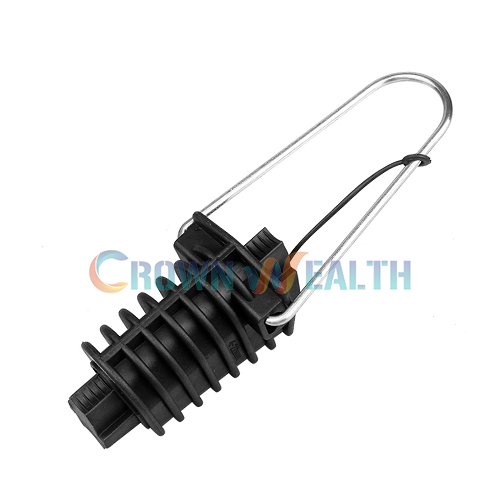
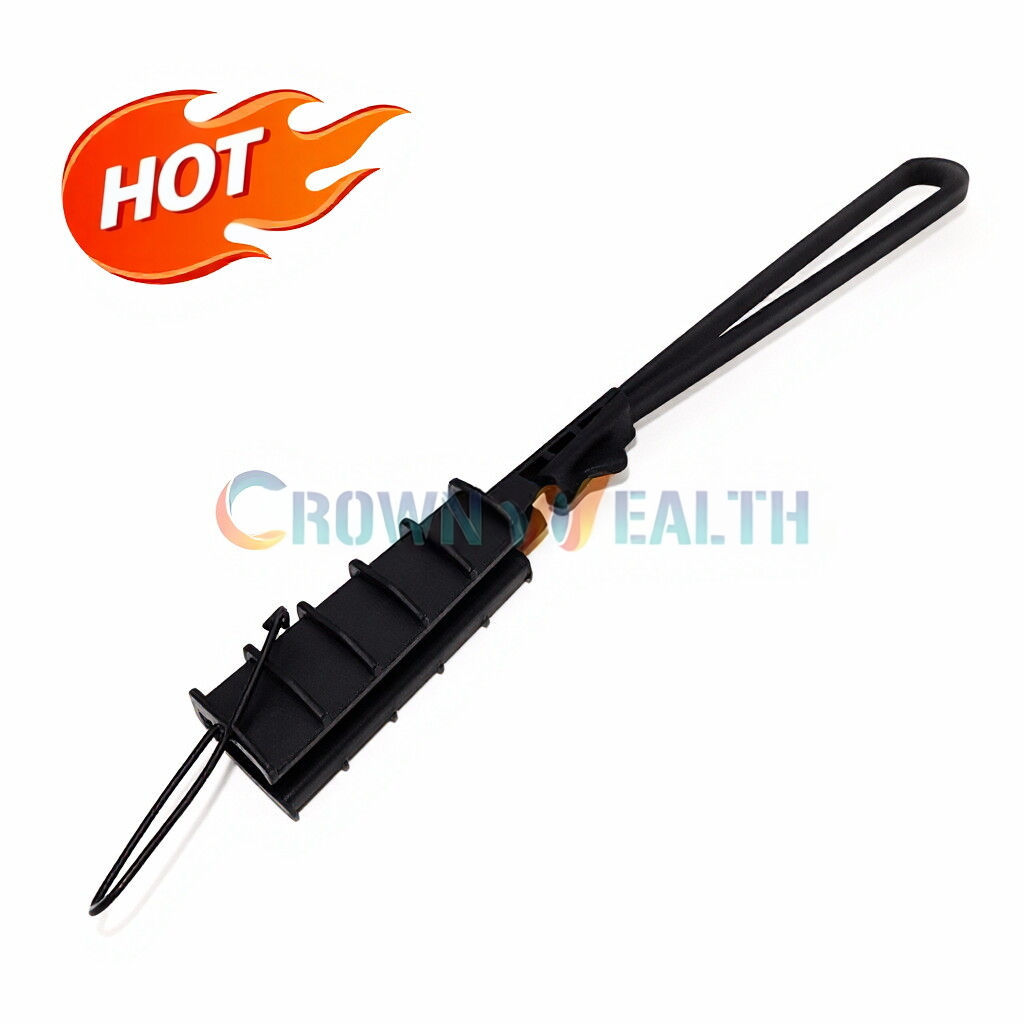
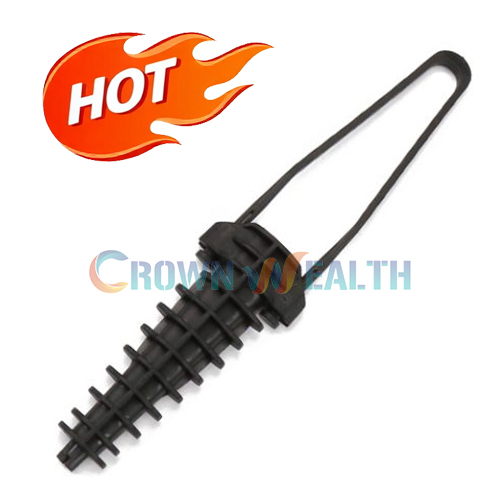
As a downlead clamp supplier, I often get asked about the lifespan of these essential components. Downlead clamps play a crucial role in various industries, especially in electrical and telecommunications systems, where they are used to secure and manage cables. Understanding how long a downlead clamp lasts is vital for both suppliers and end - users, as it impacts maintenance schedules, cost - effectiveness, and overall system reliability.
Factors Affecting the Lifespan of Downlead Clamps
Material Quality
The material from which a downlead clamp is made is one of the most significant factors influencing its lifespan. High - quality materials are more resistant to corrosion, wear, and environmental stress. For instance, stainless steel downlead clamps are known for their excellent corrosion resistance. They can withstand harsh outdoor conditions, including exposure to moisture, salt, and chemicals. In contrast, clamps made from lower - grade metals may start to rust or deteriorate within a few years, especially in coastal or industrial areas with high levels of pollution.
Aluminum is another popular material for downlead clamps. It is lightweight, which makes installation easier, and it also has good corrosion resistance. However, its strength may be lower compared to stainless steel, and in high - stress applications, it may experience deformation over time.
Environmental Conditions
The environment in which the downlead clamp operates has a profound impact on its longevity. In outdoor settings, factors such as temperature variations, humidity, and UV exposure can all take a toll on the clamp. Extreme cold can make the materials brittle, increasing the risk of cracking, while high temperatures can cause expansion and contraction, which may lead to loosening of the clamp over time.
In areas with high humidity or near bodies of water, the risk of corrosion is significantly higher. Saltwater, in particular, is extremely corrosive and can quickly damage downlead clamps if they are not properly protected. Industrial environments may also expose clamps to chemicals and pollutants, which can accelerate the deterioration process.
Installation Quality
Proper installation is crucial for ensuring the long - term performance of downlead clamps. If a clamp is not installed correctly, it may not provide the necessary grip on the cable, leading to movement and vibration. This can cause wear on both the clamp and the cable, reducing their lifespan. Additionally, incorrect installation can also expose the clamp to unnecessary stress, which may result in premature failure.
Usage Frequency and Load
The frequency of use and the load that the downlead clamp is subjected to also affect its lifespan. In applications where the cable is frequently moved or adjusted, the clamp will experience more wear and tear. Similarly, if the clamp is used to secure heavy cables or is under high - tension conditions, it will be under greater stress, which can lead to faster degradation.
Typical Lifespan Estimates
Based on industry experience and research, the lifespan of downlead clamps can vary widely depending on the factors mentioned above. In ideal conditions, with high - quality materials, proper installation, and minimal environmental stress, a downlead clamp can last anywhere from 15 to 25 years.
For example, in a well - maintained indoor electrical system, where the temperature and humidity are controlled, and the clamp is not subjected to excessive load or movement, a stainless - steel downlead clamp may last up to 25 years. However, in a harsh outdoor environment, such as a coastal area or an industrial site, the lifespan may be significantly reduced, perhaps to 5 - 10 years.
Extending the Lifespan of Downlead Clamps
Regular Inspections
Regular inspections are essential for detecting early signs of wear and damage. By inspecting the clamps periodically, maintenance personnel can identify issues such as corrosion, loosening, or deformation and take appropriate action before they lead to a complete failure. Inspections should include checking the tightness of the clamp, the condition of the material, and the integrity of the connection to the cable.
Maintenance and Repairs
If any issues are detected during the inspection, timely maintenance and repairs should be carried out. This may involve tightening loose bolts, replacing corroded parts, or applying protective coatings to prevent further corrosion. In some cases, it may be necessary to replace the entire clamp if the damage is severe.
Proper Selection of Clamps
Selecting the right downlead clamp for the specific application is crucial for ensuring its long - term performance. Consider factors such as the type of cable, the load requirements, and the environmental conditions when choosing a clamp. For example, in high - stress applications or corrosive environments, it is advisable to choose a high - quality stainless - steel clamp.


Related Products
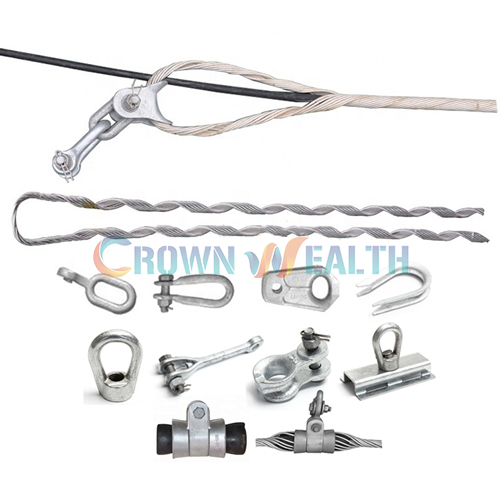
In addition to downlead clamps, our company also offers a range of other cable - fitting products. For those interested in fiber - optic cable installations, we have ADSS Suspension Clamp, which are designed to support all - dielectric self - supporting (ADSS) cables. Our Preformed Double Suspension Clamp provides additional support and stability for larger or heavier cables. And for applications requiring higher tension, our Preformed Helical Tension Clamp is an excellent choice.
Conclusion
In conclusion, the lifespan of a downlead clamp is influenced by multiple factors, including material quality, environmental conditions, installation quality, and usage frequency. While it is possible for a downlead clamp to last 15 - 25 years in ideal conditions, in harsher environments, the lifespan may be significantly shorter. By taking proper care through regular inspections, maintenance, and proper selection of clamps, users can extend the lifespan of these important components.
If you are in need of high - quality downlead clamps or any other cable - fitting products, we invite you to contact us for a detailed discussion. Our team of experts can help you choose the right products for your specific needs and ensure that you get the best value for your investment.
References
- "Handbook of Electrical Cable Engineering" by John A. McKenzie
- Industry reports on cable - fitting durability and performance